
Last updated November 21, 2026
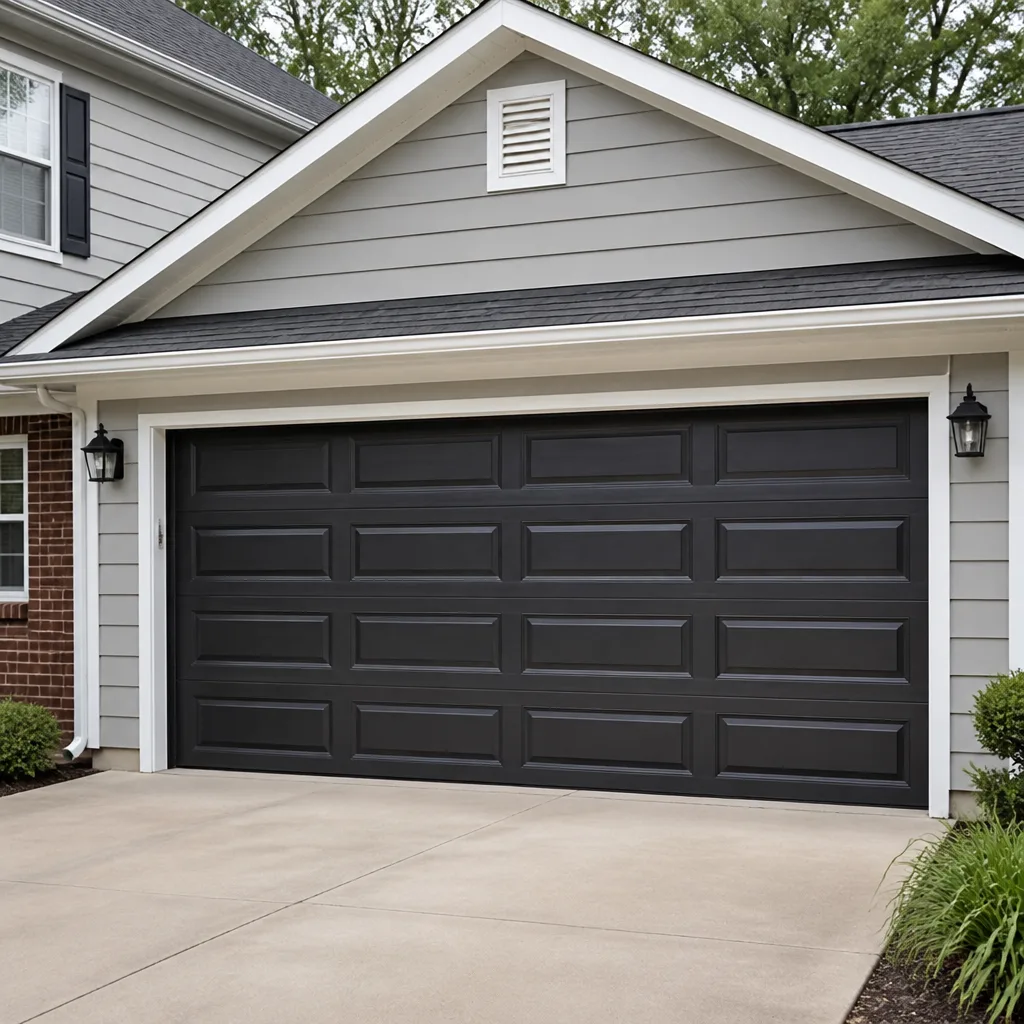 Raised-panel steel
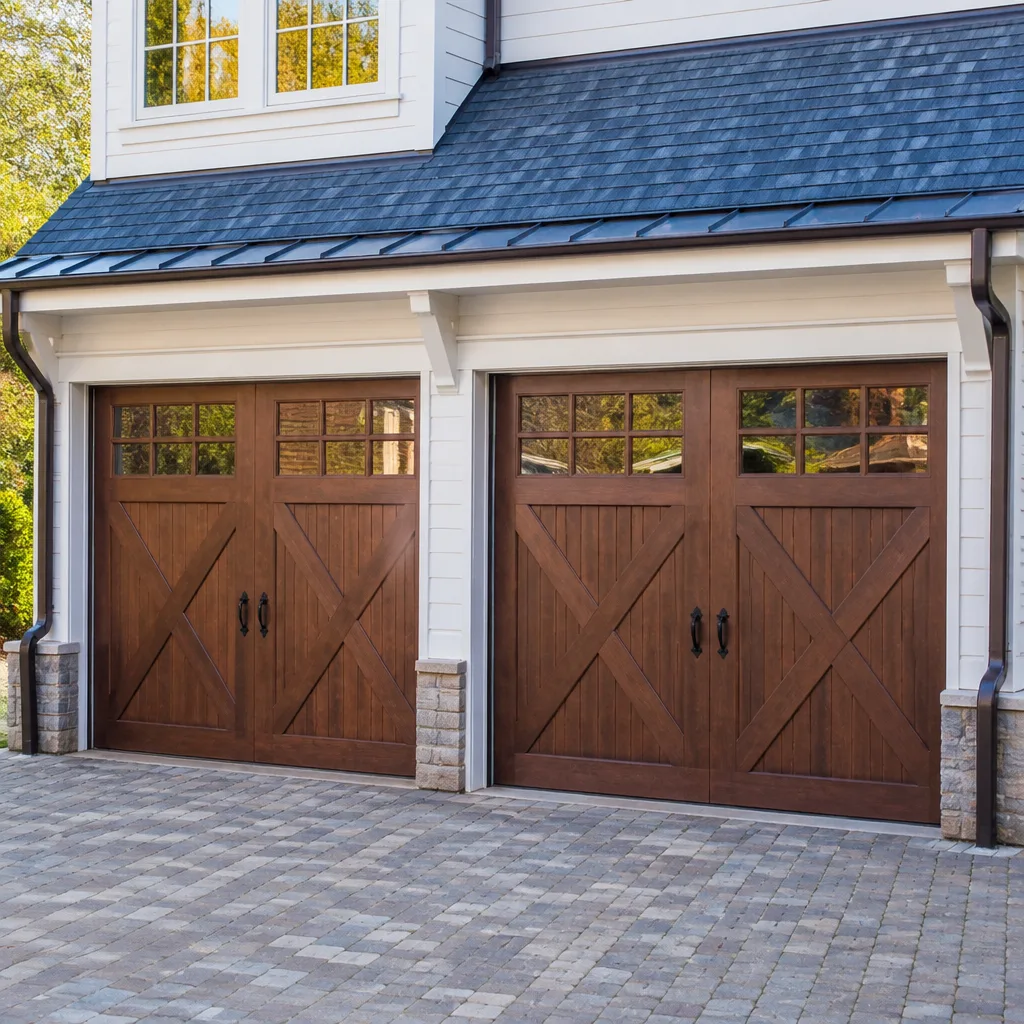 Carriage house
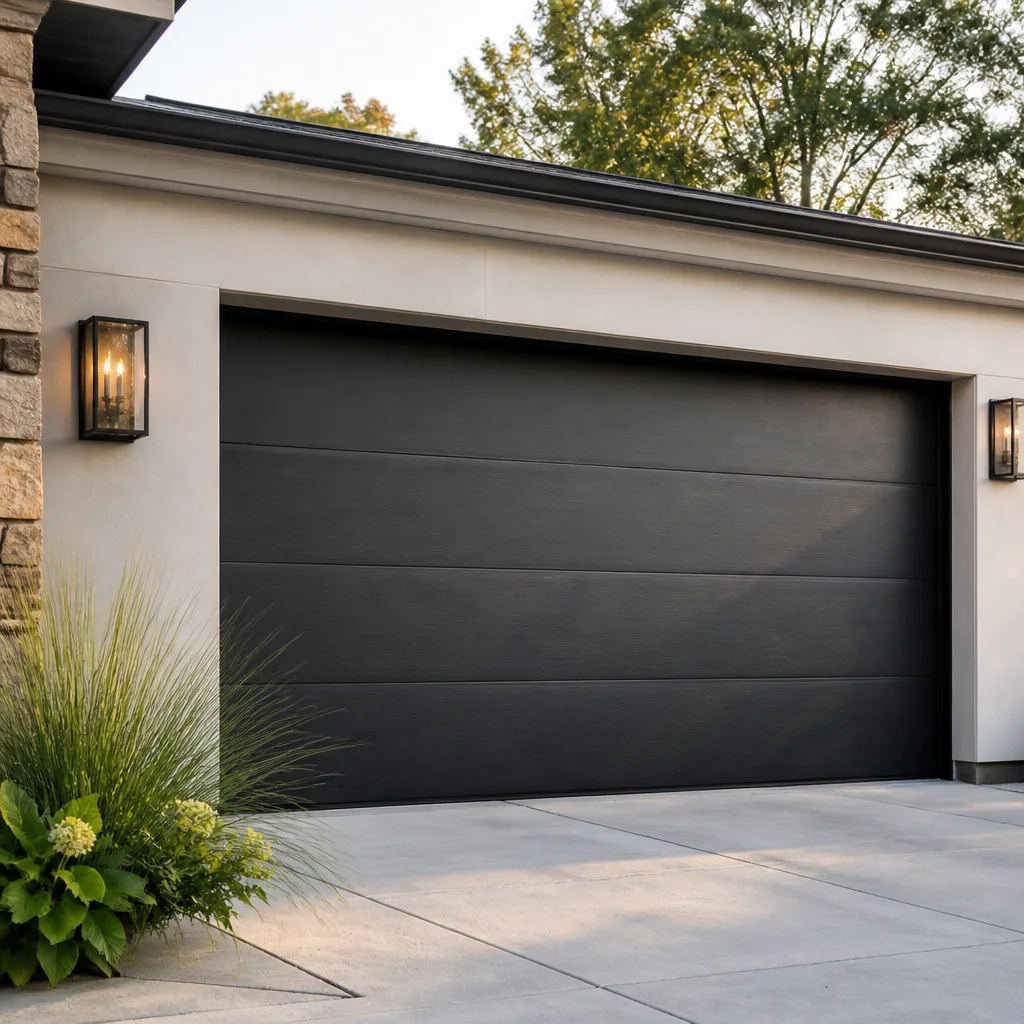 Modern flush
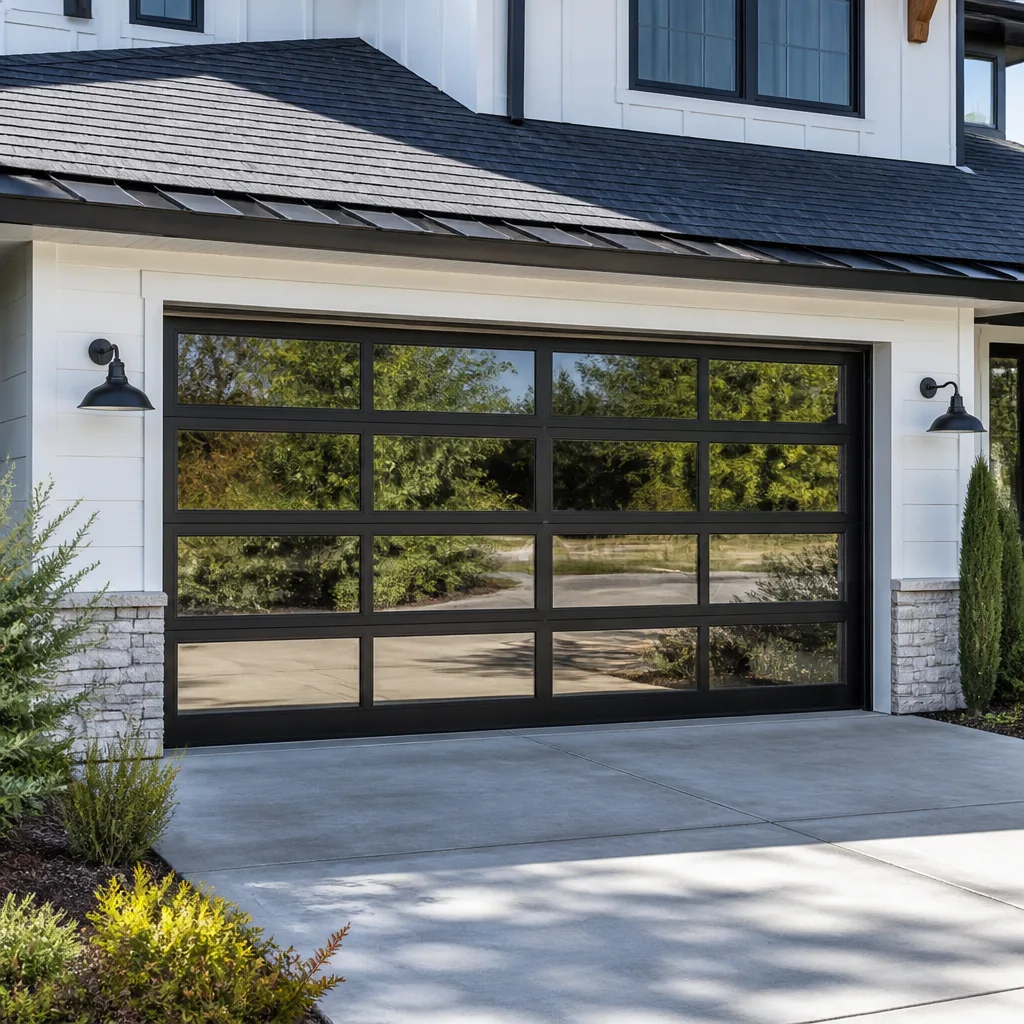 Full-view glass
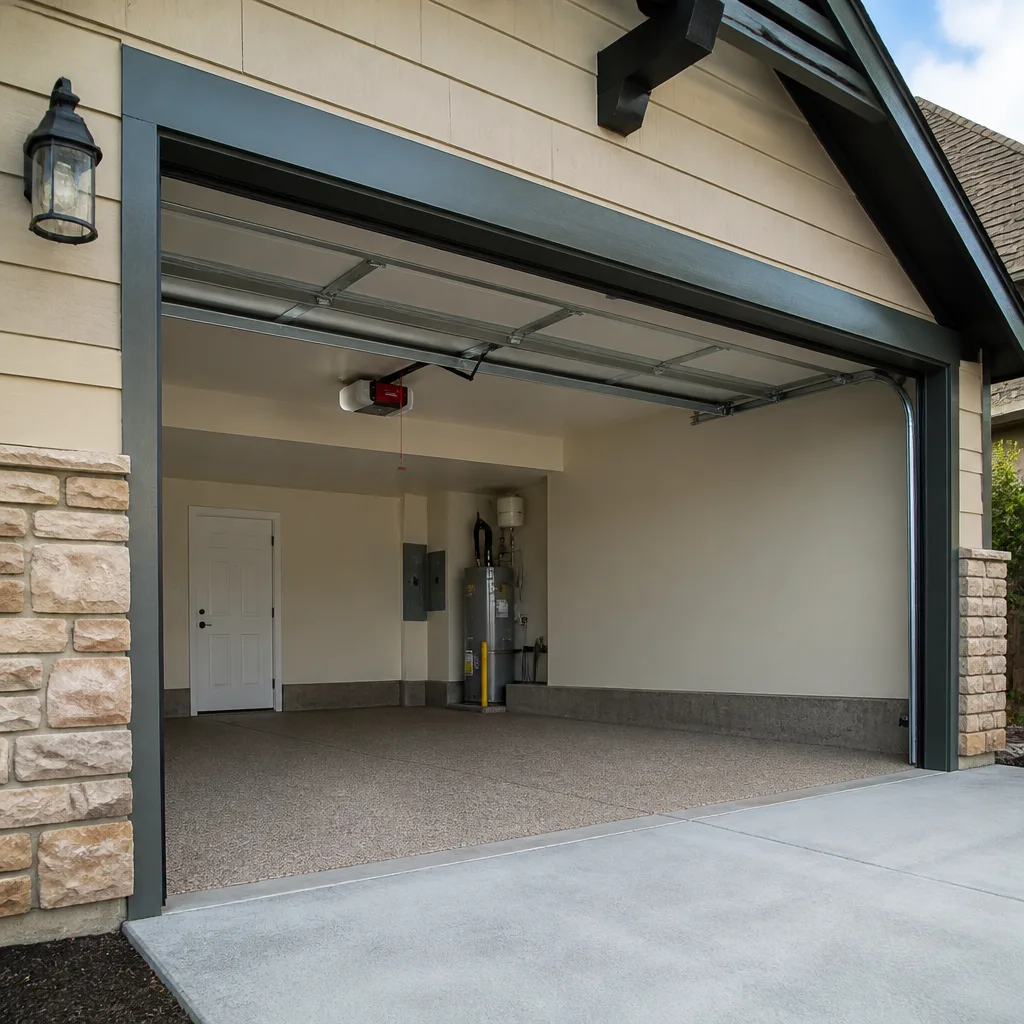 LiftMaster openers
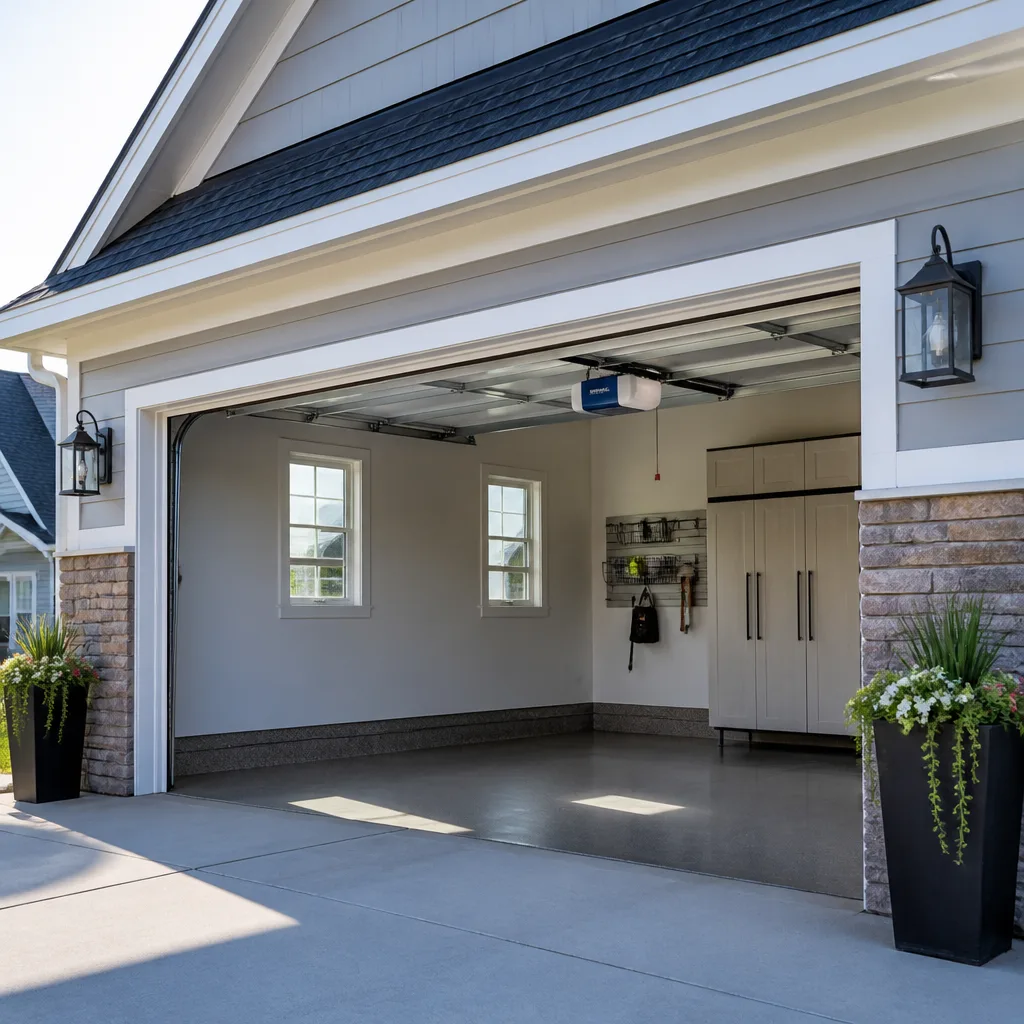 Chamberlain openers
Full 25-point door and opener safety check with every visit - springs, cables, rollers, tracks, and your LiftMaster or Chamberlain opener included
You get a price before we start. It does not change when the pro arrives.
Get your free estimateGarage Door Repair Troubleshooting in Yonkers: Common Problems and How to Fix Them
The most dangerous moment in garage door repair isn’t when something breaks. It’s when a homeowner misidentifies which part broke and grabs the wrong tool. We’ve seen a snapped cable diagnosed as a bad opener, a misaligned sensor blamed on a dead motor, and a door that just needed a travel-limit adjustment pulled apart with a wrench. Half the repair cost in those cases came from the misdiagnosis, not the failure. This guide teaches you the seven mechanical failure patterns that account for nearly every garage door problem in Yonkers, which ones you can safely handle yourself, and exactly how to describe what’s happening so a technician quotes it right the first time.
Quick Answer
Most garage door problems in Yonkers fall into one of seven patterns: spring failure, cable failure, track misalignment, opener or remote fault, sensor obstruction, roller and hinge wear, or panel and structural damage. You can safely fix sensor, remote, and lubrication issues yourself. Springs, cables, and any track work under tension require a trained technician, because those parts store enough energy to cause serious injury. Diagnose by sound, sight, and door behavior before you touch anything.
Styles & brands we work with
- Raised-panel steel
- Carriage house
- Modern flush
- Full-view glass
- LiftMaster openers
- Chamberlain openers
Table of Contents
- The Seven Failure Patterns You’re Actually Looking At
- Why Your Door Won’t Open: Six Causes, Six Different Fixes
- A Symptom-to-Cause Diagnostic Tree for Yonkers Homes
- Owner-Safe Fixes vs. Technician-Required Repairs
- How Yonkers Winters Change What Fails First
- How to Document Your Problem Before You Call
- Common Misdiagnoses That Turn a Small Repair Into a Big One
- When to Call a Professional
The Seven Failure Patterns You’re Actually Looking At
Every garage door, regardless of brand, runs on the same basic mechanical system: springs that counterbalance the door’s weight, cables that connect the springs to the door, tracks that guide the door, rollers that ride in the tracks, and an opener that does the lifting work once the spring is doing its job. When something goes wrong, the failure almost always traces back to one of these seven patterns. Knowing which one you’re in tells you whether the door is merely inconvenient or genuinely hazardous.
The seven patterns are:
- Spring failure – a torsion spring over the door or an extension spring alongside it has snapped. You’ll hear a loud bang, and the door becomes extremely heavy or won’t lift at all.
- Cable failure – a frayed or snapped cable, often visible as loose wire hanging near the door edge.
- Track misalignment – the door scrapes, binds, or drifts sideways as it travels.
- Opener or remote fault – the motor runs but the door doesn’t move, or the door ignores the remote entirely.
- Sensor obstruction – the safety sensors at the door base are dirty, misaligned, or blocked, and the door reverses.
- Roller and hinge wear – grinding, squealing, or a door that shudders during travel.
- Panel and structural damage – dents, cracks, sagging sections, or a door that’s visibly out of square.
In Yonkers, attached garages are the norm across neighborhoods like Crestwood, Woodlawn, and the blocks off Central Park Avenue, and those homes tend to have older doors with original hardware. A door that’s been carrying the same springs and rollers through many winters tends to fail in patterns, not at random. When you can name the pattern, the repair path becomes obvious.
Why Your Door Won’t Open: Six Causes, Six Different Fixes
“My door won’t open” is the single most common call we get, and it’s also the least useful description on its own. The same symptom can come from six distinct mechanical causes, and each one requires a completely different repair. A technician who assumes spring failure when the real problem is a dead remote wastes your money; a homeowner who assumes a dead remote when the spring is gone risks injury trying to force the door.
- Snapped torsion or extension spring. The door lifts a few inches by hand and refuses to go further, or won’t move at all. Typically accompanied by a loud bang at the time of failure. This is a professional repair – springs are under extreme tension.
- Snapped or slipped cable. You may see a loose wire hanging near the door edge, or the door hangs crooked. This is also a professional repair, since the cable carries the spring’s tension.
- Opener motor or gear failure. You hear the motor run or hum, but the door doesn’t move. On LiftMaster and Chamberlain units, the drive gear or belt is a common wear point. Professional repair.
- Safety sensor reversal. The door starts down or up, then immediately reverses. Sensors at the base of the door are misaligned, dirty, or blocked by an object. Often an owner-safe fix.
- Remote or wall-control fault. The wall button works but the remote doesn’t. Usually a battery, a programming issue, or a radio board failure. Battery replacement is owner-safe.
- Manual lock or vacation lock engaged. The opener runs but the door is physically locked. Easy to overlook and completely owner-safe to check.
Six causes, six fixes. If you can match your symptom to one of these before calling, the quote you get will be more accurate and the repair happens faster. That’s the difference between a fifteen-minute conversation and a thirty-minute diagnosis on-site. For the opener side of this list, our garage door opener repair service covers the motor, gear, and radio board work; for the mechanical side, it’s garage door repair.
A Symptom-to-Cause Diagnostic Tree for Yonkers Homes
This is the sequence we walk through in our own diagnosis. Follow it in order. Each question narrows the failure pattern, and each answer tells you which of the seven causes you’re likely looking at. Don’t skip ahead.
- Does the opener motor make any sound when you press the remote? If yes, the problem is mechanical downstream – spring, cable, track, or the door itself. If no, the problem is electrical – remote, wall button, sensor, or the opener board.
- Is the door visibly crooked, sagging, or hanging at an angle? A crooked door almost always means a cable or spring has failed on one side. Stop here and call a technician.
- Does the door lift a few inches by hand, then feel impossibly heavy? A heavy door with a loud bang at the time of failure points to spring failure. Stop here and call.
- Does the door reverse immediately after starting? Check the safety sensors at the base. Are both LEDs lit solid? Are the lenses clean? Is anything blocking the beam? If yes, realign or clear. If not, the sensor or wiring may be at fault.
- Does the door travel but scrape or grind? Look at the tracks. Are they bent, loose at the brackets, or visibly out of line? Are rollers cracked or missing? Track work under tension is professional-only.
- Does the door work from the wall button but not the remote? Replace the remote battery first. If that doesn’t fix it, the remote needs reprogramming or the opener’s radio board has failed.
- Does the door move freely by hand but the opener won’t move it? Look at the opener’s manual release cord. It may be pulled, disconnecting the carriage. Or the opener’s travel limits have drifted. Owner-safe to check the release; professional for the limit adjustment.
In Yonkers, the geometry of the driveway matters here too. Steep driveways mean the door has to be perfectly balanced to reverse smoothly on the slope. A door that binds slightly on flat ground may not even open on a slope. If you’re dealing with a driveway that rises sharply off the street, treat any binding or scraping as urgent rather than letting it develop.
Owner-Safe Fixes vs. Technician-Required Repairs
Drawing this line clearly is the most important part of any troubleshooting guide, because the failure to draw it is what sends homeowners to the emergency room. Garage door springs and cables are under enough tension to break bones. Everything downstream of that tension – sensors, remotes, lubrication, cleaning, visual inspection – is safe. Everything attached to that tension is not.
What you can safely do yourself
- Replace remote batteries and reprogram remotes to the opener
- Clean and realign safety sensors at the door base
- Clear obstructions from the sensor beam and the door path
- Lubricate hinges, rollers, and the torsion bar with a garage-door-rated lubricant (not WD-40)
- Check and re-engage the manual release cord
- Visual inspection of tracks, rollers, and panel condition
- Wipe down and inspect weather seals
What a trained technician should handle
- Any torsion spring or extension spring work
- Any cable replacement, adjustment, or re-tensioning
- Track straightening or realignment
- Roller and hinge replacement on a door under spring tension
- Opener gear, belt, chain, and logic board work
- Panel replacement on a door that must be rebalanced afterward
- Any situation where the door is off-level, crooked, or binding
Springs and cables store the mechanical energy of a few hundred pounds and release it in a fraction of a second. No amount of YouTube watching changes that. If you’re unsure which category your problem falls into, stop what you’re doing and describe the symptom to a technician first. Our Yonkers Garage Door Repair Co team handles the second list exclusively; the first list is yours.
How Yonkers Winters Change What Fails First
Yonkers gets real winters – freezing nights, freeze-thaw cycles through December and January, and cold snaps that pull hardware down to temperatures most of it was never designed to cycle through cleanly. That climate changes what fails and in what order, and it shows up in the patterns we see across hillside neighborhoods like Park Hill and the streets around Tibbetts Brook Park just as it does closer to the waterfront.
Here’s what cold does to a garage door system:
- Metal contracts. Tracks, springs, and cables all shrink slightly in sustained cold. A door that ran perfectly in October can start binding in January because a track has drawn in against the rollers.
- Lubricant thickens. Cold grease turns rollers and hinges sluggish. Grinding and squealing in cold weather is often lubrication your door hasn’t had in a while, not a worn part.
- Springs fatigue faster. Steel that flexes thousands of times through freeze-thaw cycles cycles out sooner than steel in a mild climate. Most spring failures we see happen during cold snaps, when the spring is stiffest and the metal is most brittle.
- Weather seals stiffen and split. Bottom seals and side seals harden in the cold, then crack. A stiff seal makes the door work harder to close completely, which stresses the opener.
- Rollers develop flat spots. A door that sits open for long periods through the winter can develop flat spots on the rollers, then rumble when it’s used again.
None of this means Yonkers homes are doomed. It means the maintenance cadence is different here than in a warmer climate. Lubricating hinges and rollers going into the cold season, checking that seals are intact, and listening for new noises in the first cold week are all reasonable habits. Troubleshooting in Yonkers happens in seasonal waves, and the door that fails in January often gave a warning in November.
How to Document Your Problem Before You Call
An accurate description on the phone is the difference between a technician showing up prepared and a technician showing up to diagnose from scratch. On a same-day call, both outcomes end with a working door – but the second takes longer and often needs a second visit. Here’s what to capture before picking up the phone.
- What happens when you press the remote. Nothing at all? Motor hums? Door moves a few inches? Door starts then reverses?
- What happens when you press the wall button. Same as the remote, or different?
- What the door does by hand (with the opener disconnected). Lifts easily? Lifts a little then stops? Doesn’t move at all? Feels crooked?
- Any sounds at the time of failure. A loud bang means spring. A screech means rollers or bearing. A grinding from the opener means gear or belt.
- What brand the opener is. Check the label on the motor unit – LiftMaster, Chamberlain, Genie, Craftsman, and Raynor all have different diagnostic patterns, and knowing which one you have saves real time.
- Whether the door is safe to be under. If the door is sagging, if a cable is hanging, or if any part of the door is off-track, do not park under it and warn everyone in the house.
- Photos. A photo of the opener label, one of the door edges where the cable attaches, and one from a few steps back showing the whole door. Those three photos tell a technician more than a five-minute phone call.
If the garage is attached, and in Yonkers that’s the case in nearly every neighborhood, remember that a compromised door is also a security issue. Don’t leave a door partway open overnight, and don’t pull a skewed door up by hand hoping to free it. Call for professional help. When you call, tell us the symptom, the brand, and what the door does by hand. We’ll quote accurately the first time – our garage door installation and repair teams all use the same diagnostic sequence. Call (844) 443-4494 and we’ll talk through what you’re seeing at no charge. We answer 24/7. Fast dispatch from 7am to 7pm, Sunday through Friday.
Common Misdiagnoses That Turn a Small Repair Into a Big One
Misdiagnosis is expensive. It’s also common. When a homeowner assumes the most expensive failure and forces the door to try to prove them wrong, or assumes the cheapest failure and ignores a real hazard, the repair cost grows. These are the ones we see most often in Yonkers.
Assuming a bad opener when the spring is broken
The opener hums, the door doesn’t move, so the natural conclusion is “the opener is dead.” But a snapped spring means the door is too heavy for the opener to lift. Replacing the opener doesn’t fix that. It just costs a new opener plus a spring. The fix is usually the spring.
Assuming a bad spring when the door is just out of balance
The opposite mistake. A door that lifts heavy but moves can be out of balance rather than spring-failed. Balance is adjustable without replacing springs – but only a technician should make the adjustment.
Forcing a door that’s off-track
An off-track door pulled by hand can become a door that’s bent off the track, cracked a panel, or snapped a cable. Stop and call.
Replacing a remote when the opener’s radio board has failed
The remote is cheaper to replace, so it gets replaced first. If the wall button works but no remote does, the board is the likely problem. Trialing one remote is fine; buying three is not.
Using the wrong lubricant
Standard WD-40 is not a lubricant for garage door hardware. It attracts dust, thins out, and can actually accelerate wear on rollers and hinges. Use a garage-door-rated lubricant.
Ignoring a small bend in the track
A small kink in the track accelerates roller wear, which accelerates the failure. Fixing the bend early is cheap. Replacing rollers, hinges, and possibly a panel is not.
Common Mistakes to Avoid
- Running the opener with a broken spring. The motor will try to lift a door it can’t lift, and the strain can burn out the opener motor or snap the drive gear in a few cycles. Stop using the door.
- Trying to lift a door with a snapped spring by hand. Garage door springs are under enough tension to cause serious injury. The door will feel impossibly heavy for a reason. Don’t force it.
- Using the wrong lubricant on the tracks. Tracks should be clean and dry. Lubricant goes on the hinges, rollers, and torsion bar, not on the track surface.
- Assuming an off-track door is safe to enter through. In Yonkers, where garages often serve as the main entry door, a damaged door is also a security problem. Don’t leave it partway open overnight.
- Replacing the opener without checking the springs first. The most common opener replacement we undo is the one done when the springs were the real problem.
- Ignoring a slow change in door behavior. A door that’s been getting louder, slower, or heavier for weeks is telling you which pattern is about to fail. Catching it before a full failure is a smaller repair.
- Skipping the written estimate before any work starts. Whatever the symptom, the price should be quoted and agreed before a technician touches the door. If a technician won’t put the price in writing, that’s the wrong technician.
See the difference
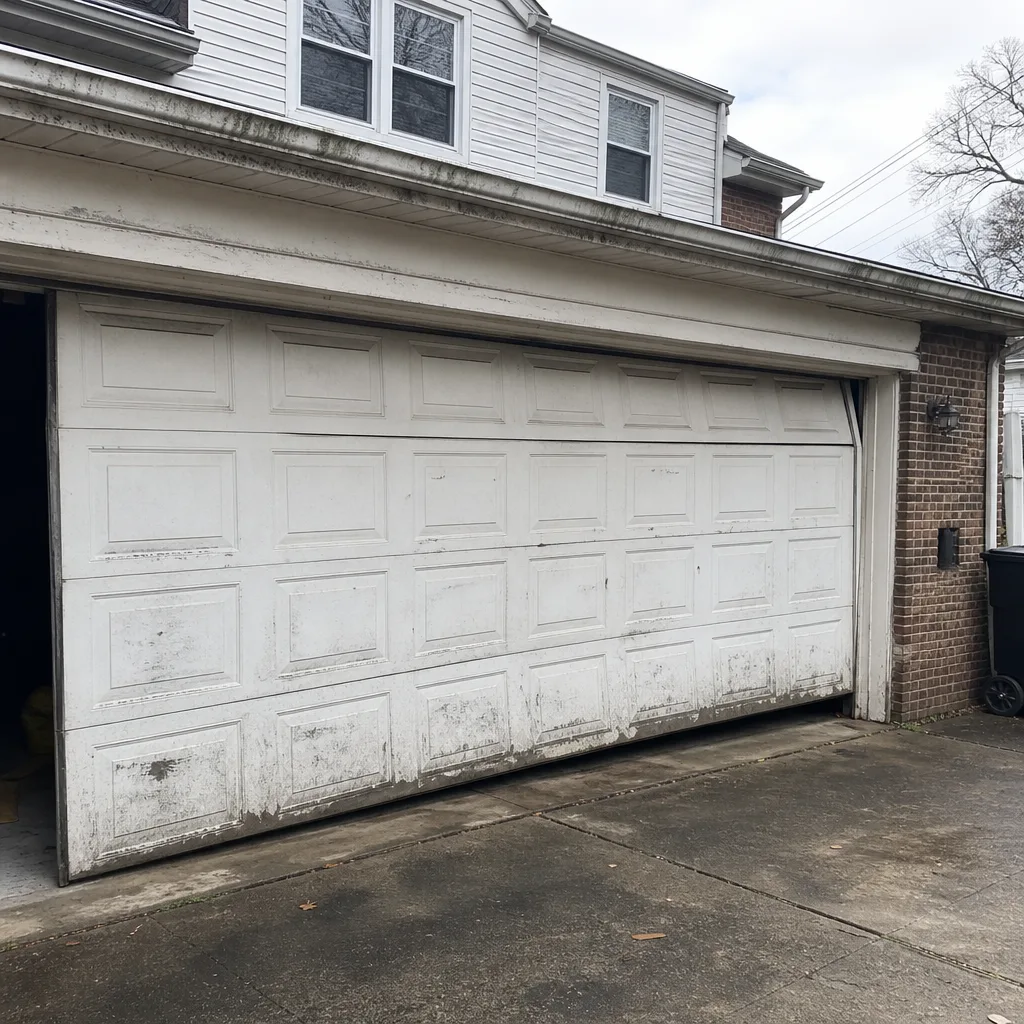 Before
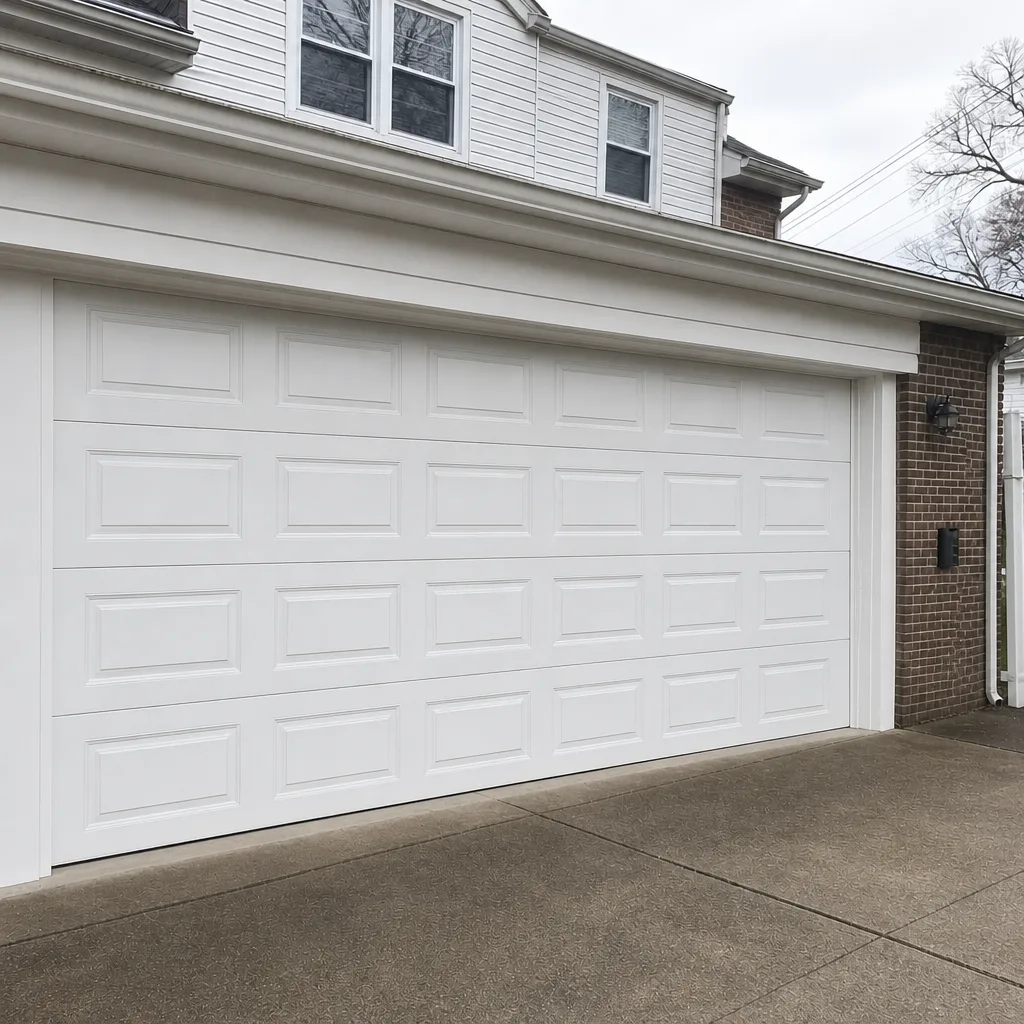 After
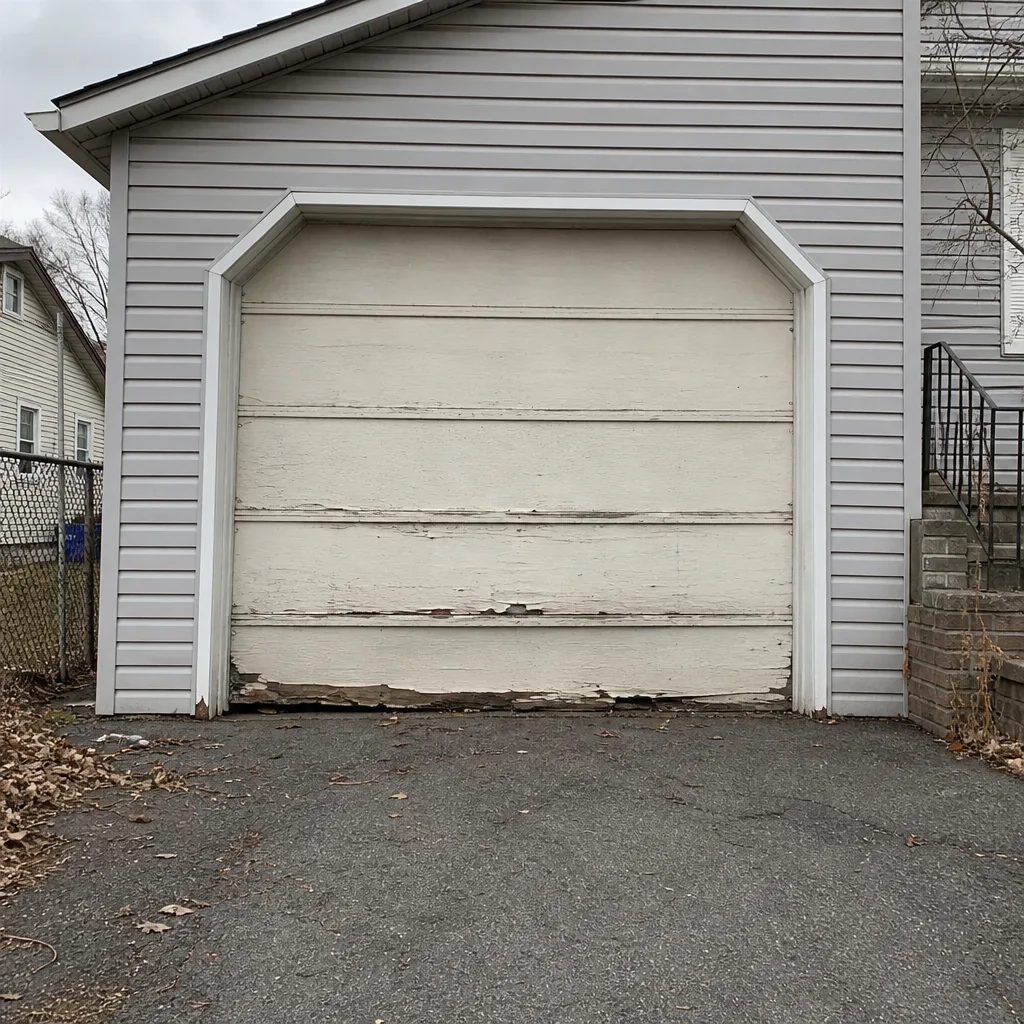 Before
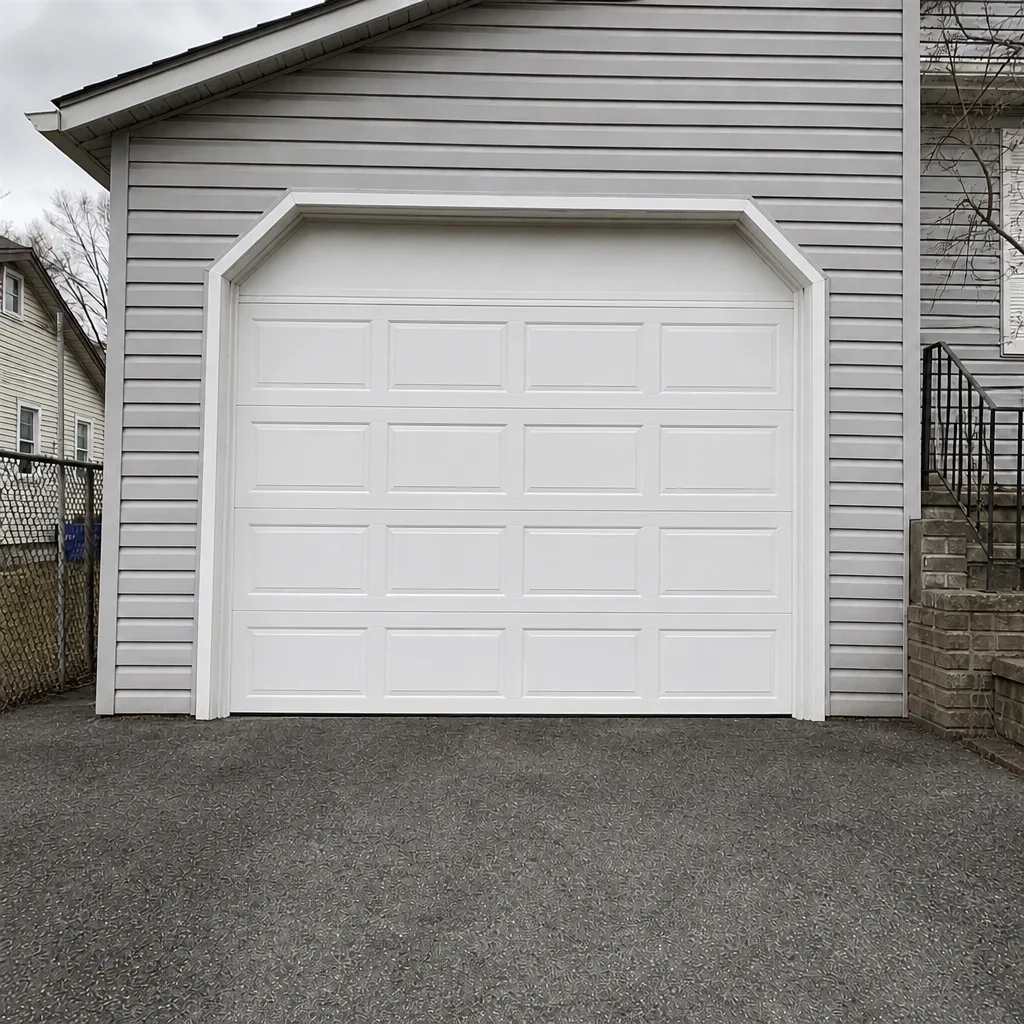 After
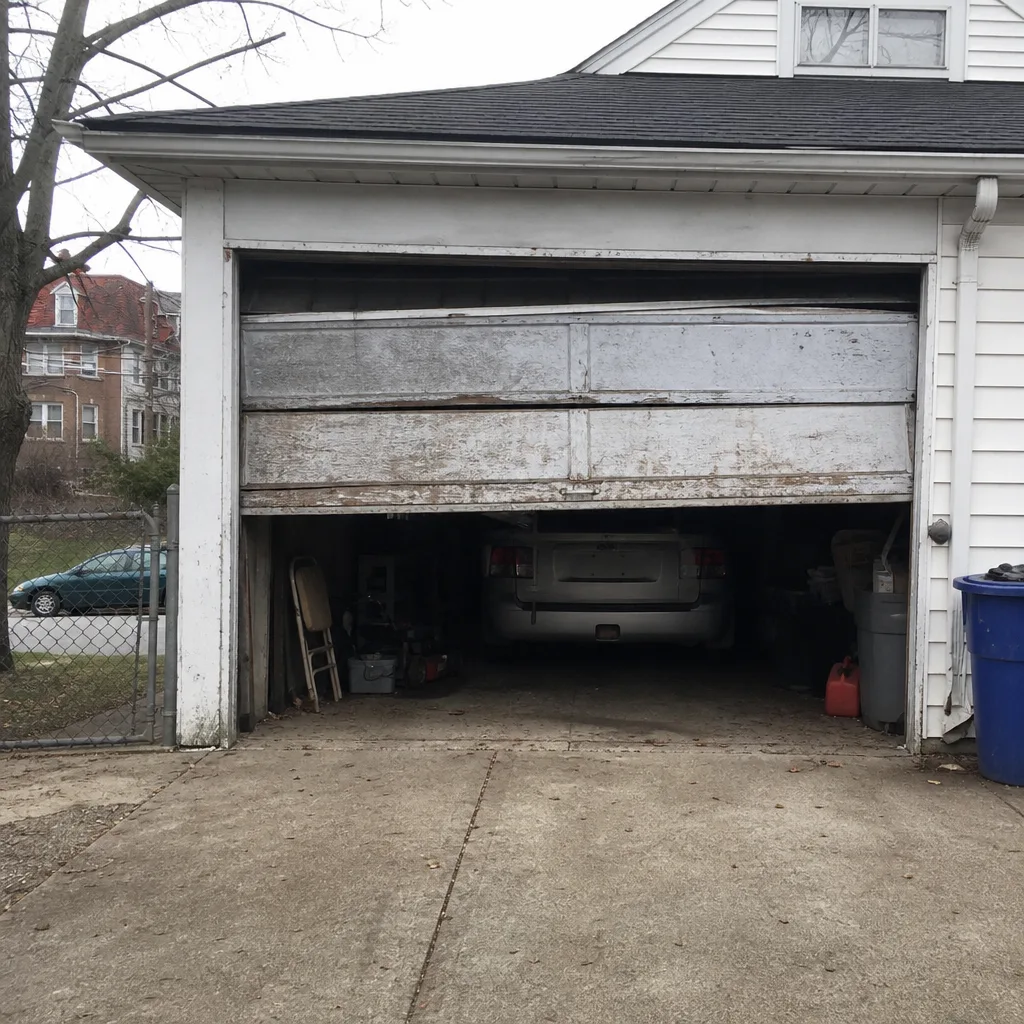 Before
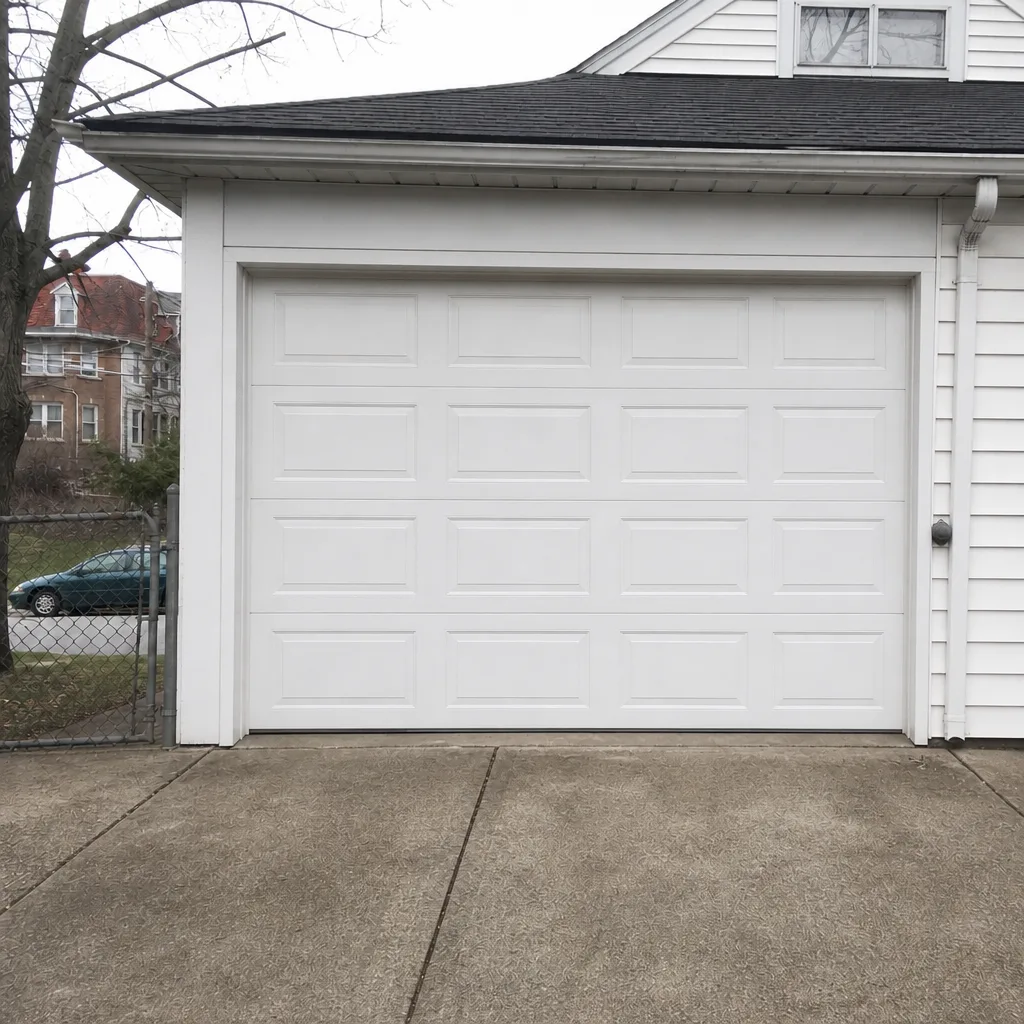 After
When to Call a Professional
Call a professional whenever a spring, cable, or track is involved. That’s the line. Those three components store the mechanical energy of the door’s weight and release it under tension – no homeowner diagnostic shortcut replaces trained hands on that work. Call when the door won’t open at all and you’ve checked the remote, the wall button, and the sensors. Call when the door reverses repeatedly and cleaning the sensors doesn’t fix it. Call when you hear a loud bang followed by a door that won’t lift. Call when the door is crooked, sagging, or visibly off-track, and don’t park under it while you wait. Call when the opener hums but the door doesn’t move and the spring hasn’t obviously failed – the cause is usually mechanical. Call when you’re not sure, because describing the symptom to a technician is free and safe, and guessing can cost you a lot more than the repair.
Yonkers Garage Door Repair Co offers free estimates in Yonkers – call (844) 443-4494. We answer 24/7. Fast dispatch from 7am to 7pm, Sunday through Friday. The local pro is licensed and insured as their state requires, and the price is quoted and agreed before any work starts.
Frequently Asked Questions
Yes, most repair calls in Yonkers are handled same-day. Spring replacement, cable repair, sensor fixes, and most opener work all happen on the first visit when the parts are standard for your door and opener brand. If your door uses an uncommon spring size or a special-order panel, we’ll tell you at the time of the estimate exactly what to expect. Call (844) 443-4494. We answer 24/7. Fast dispatch from 7am to 7pm, Sunday through Friday.
A broken spring is visually verifiable – look at the torsion bar above the door for a visible gap, or check extension springs along the door sides for a separated coil. A bad opener runs the motor but produces no door movement even when the spring is intact. The safest test: disconnect the opener with the manual release cord and try to lift the door by hand. If it’s impossibly heavy, the spring is the problem. If it lifts easily but the opener won’t move it, the opener is the problem. Don’t test a door that’s visibly off-level or has a hanging cable. Call (844) 443-4494 for a free estimate if you’re not sure.
A reversing door almost always points to a safety sensor issue. The sensors at the base of the door are misaligned, dirty, or blocked by an object, and the opener’s safety logic assumes the door is hitting something. Clean the sensor lenses with a soft cloth, check that both sensors have a solid LED, and confirm nothing is in the beam path. If the behavior continues after that, the sensor or wiring may have failed and a technician needs to test it. Call (844) 443-4494 for a free estimate – we’ll quote before any work starts.
Pricing is per job and set by the written estimate, because door weight, brand, and part availability vary home to home. A sensor realignment is a smaller job than a spring replacement, which is a smaller job than a full opener swap; a matched pair of springs costs about twice a single spring because both are usually replaced together. What we don’t do is quote a low number on the phone and then add charges on-site. The estimate is free, the price is quoted and agreed before any work starts, and the written estimate is the price. Call (844) 443-4494 for an exact quote – estimates are free.
Yes, lubrication is one of the owner-safe tasks. Use a garage-door-rated lubricant on the hinges, rollers, and torsion bar. Don’t use WD-40 as a lubricant – it thins and attracts dust. Don’t lubricate the tracks; the track surface should stay clean and dry so the rollers can run cleanly. Do not lubricate anything under a spring that looks bent, snapped, or loose. If a roller or hinge is cracked or missing, that’s a replacement job, not a lubricant job.
No. A frayed cable is on its way to snapping, and when it does, the door can drop hard on one side. Stop using the door, don’t park under it, and call a technician to inspect. Cable work is under spring tension and is never an owner repair. We can work with your insurer on the documentation side if a claim becomes necessary. Call (844) 443-4494 for a free estimate – a technician will inspect and quote before any work starts.
We answer 24/7. A call outside dispatch hours is booked into the next opening, Sunday through Friday, 7am to 7pm. Tell us the symptom, the door behavior by hand, and the brand of your opener – LiftMaster, Chamberlain, Genie, Craftsman, Raynor, and the other brands we routinely service all have known diagnostic patterns, and knowing which one you have shortens the diagnosis. We’ll give you a free estimate and quote the price before any work starts.
The Bottom Line
Garage door troubleshooting works when you diagnose before you touch. Seven failure patterns cover nearly every problem: spring, cable, track, opener, sensor, roller wear, and panel damage. Springs, cables, and track work under tension go to a technician. Sensors, remotes, and lubrication are safe for you to handle. Document the symptom, the brand, and the door’s behavior by hand before you call, and you’ll get an accurate estimate the first time. Yonkers winters shorten the life of springs and seals, so watch for seasonal changes instead of waiting for a full failure. Diagnosed correctly, fixed the first time – that’s how every garage door repair should go.
Call (844) 443-4494 for a free estimate. We answer 24/7. Fast dispatch from 7am to 7pm, Sunday through Friday. The price is quoted and agreed before any work starts.
Written by the team at Yonkers Garage Door Repair Co.