
Last updated November 21, 2026
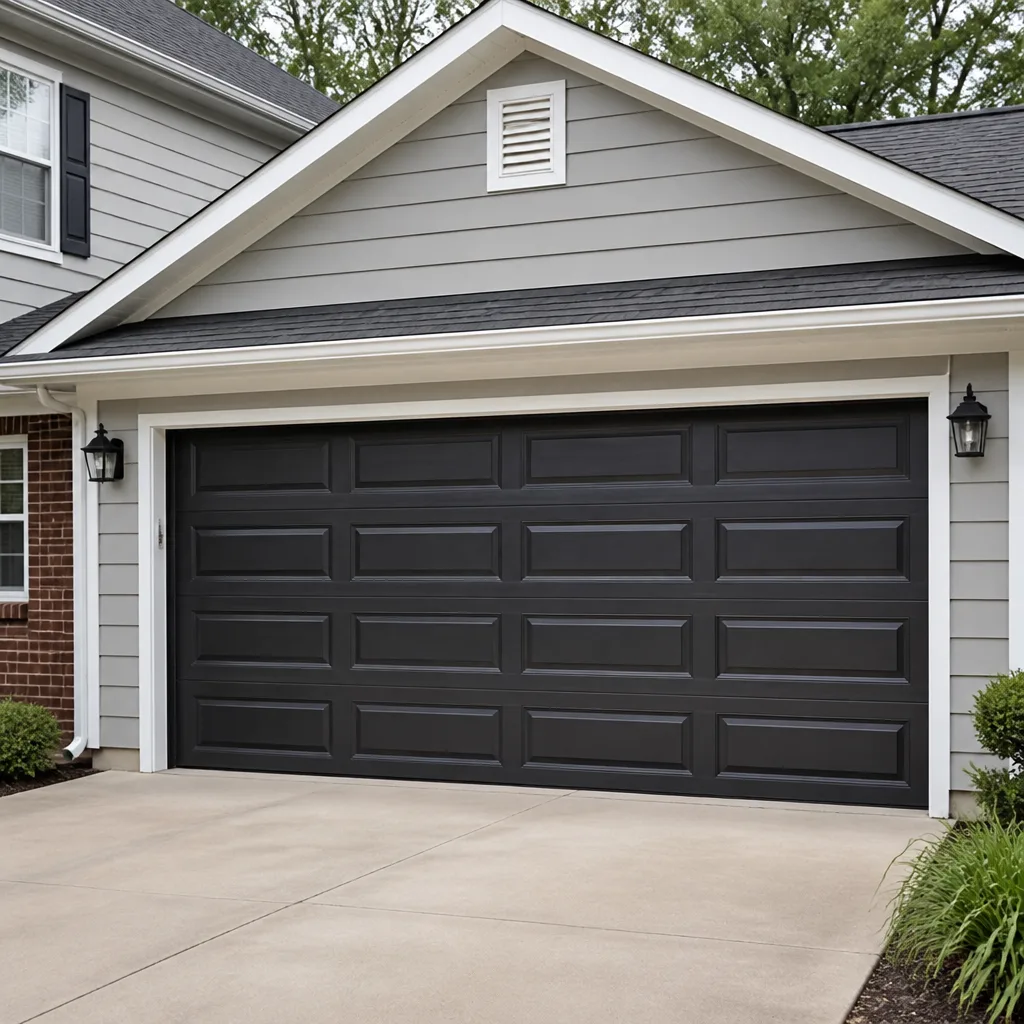 Raised-panel steel
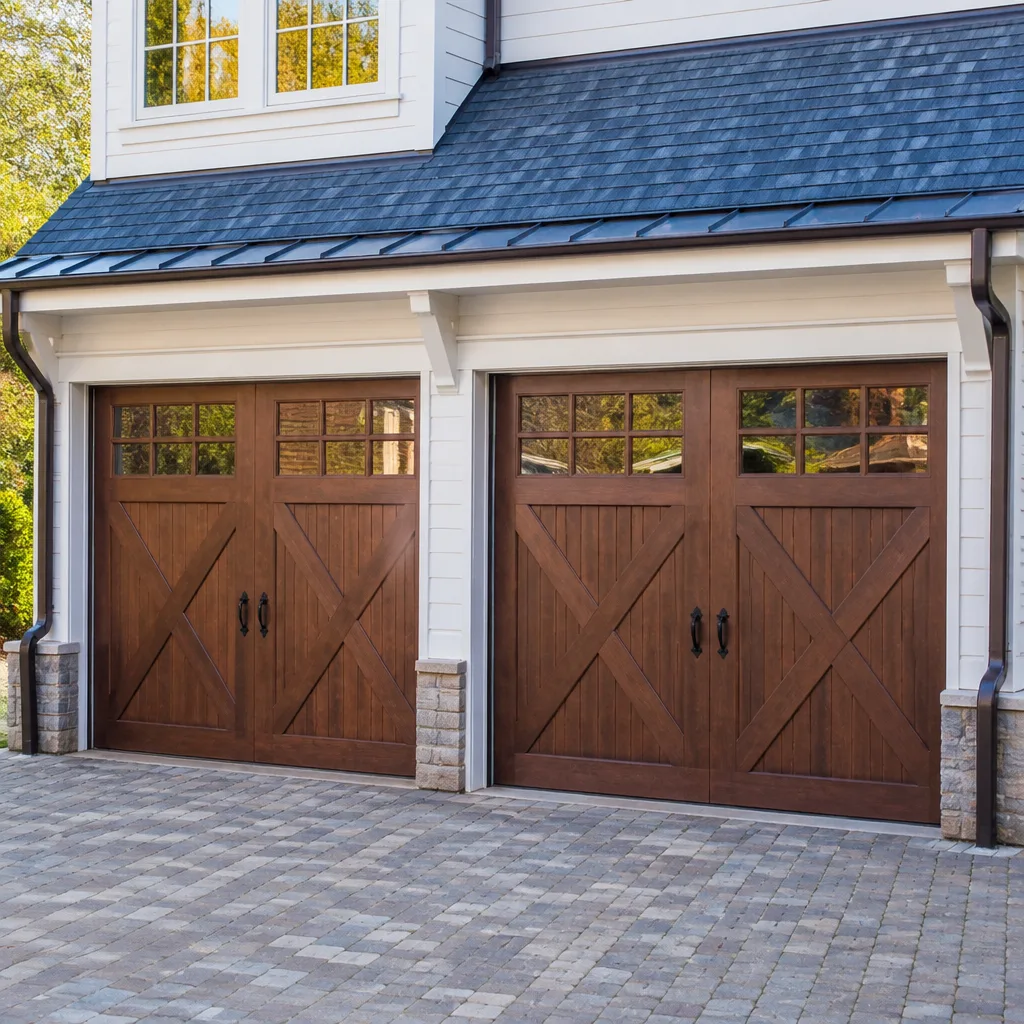 Carriage house
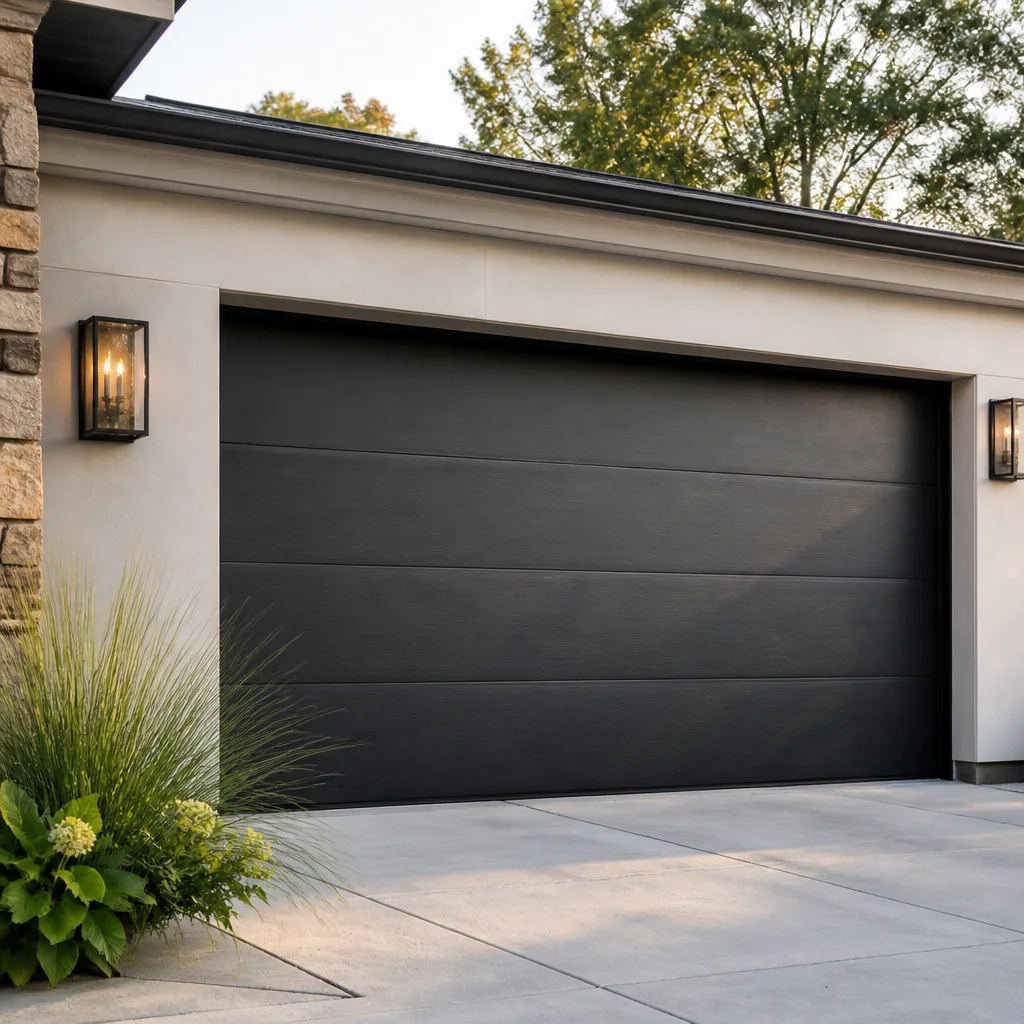 Modern flush
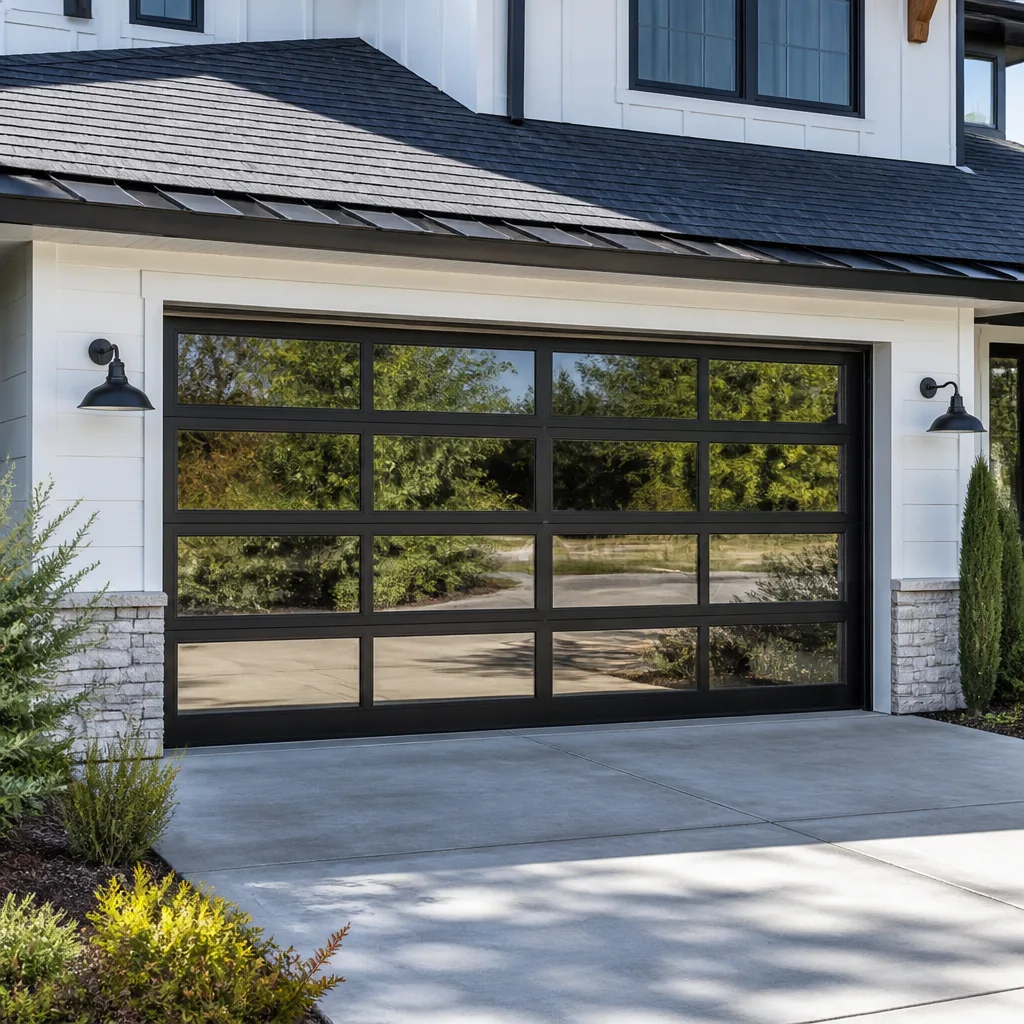 Full-view glass
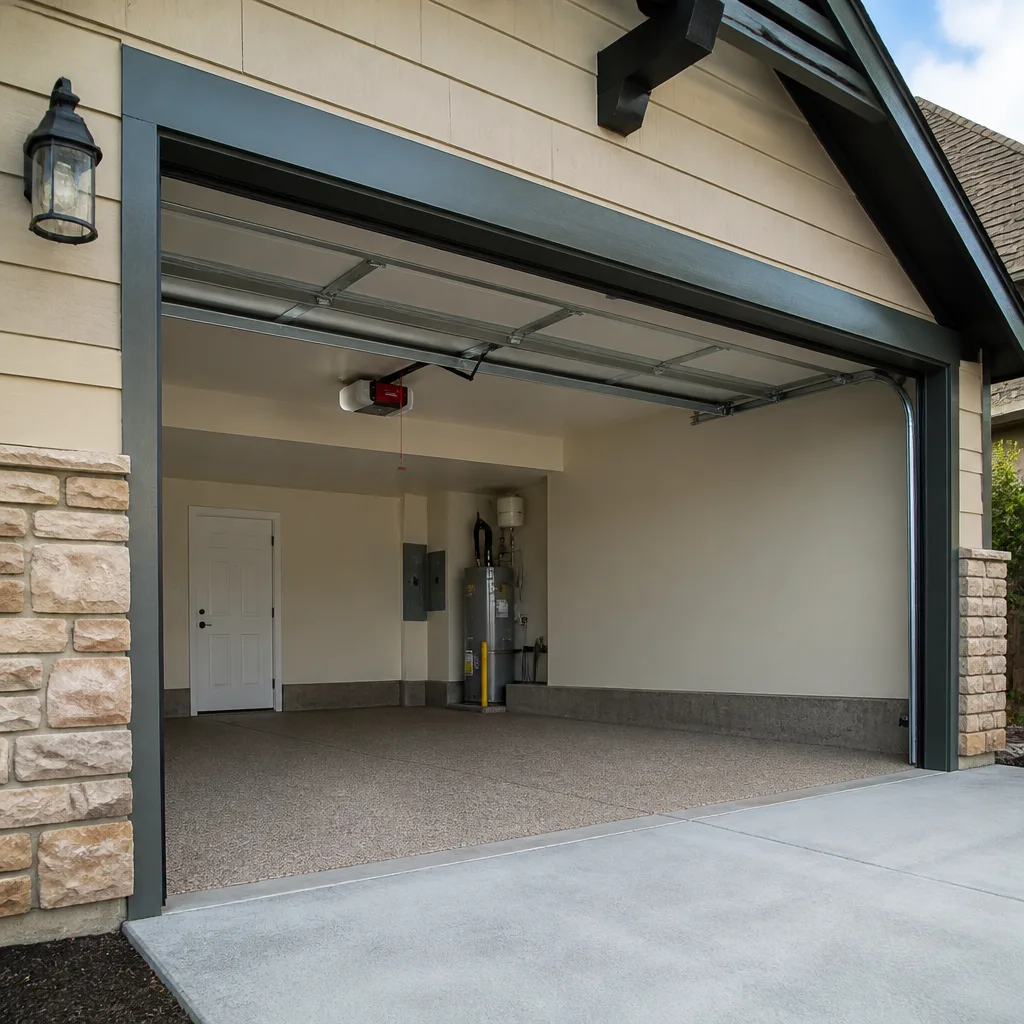 LiftMaster openers
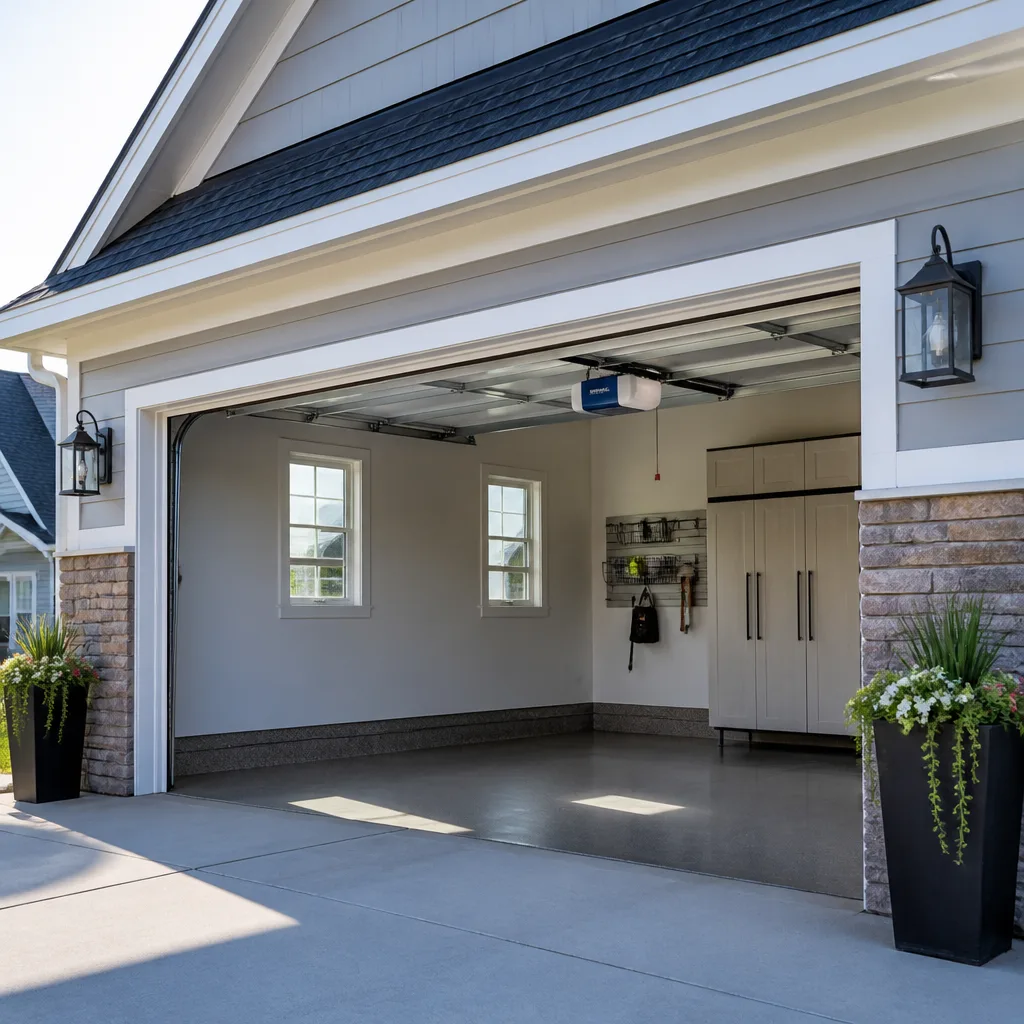 Chamberlain openers
Full 25-point door and opener safety check with every visit - springs, cables, rollers, tracks, and your LiftMaster or Chamberlain opener included
You get a price before we start. It does not change when the pro arrives.
Get your free estimateThe Complete Guide to Garage Doors in Yonkers
Most garage door advice online is written for a blank-slate suburban opening: flat driveway, standard 7-foot door, clean ceiling, room to spare. Yonkers isn’t that. A garage built for a Model A Ford in the 1920s doesn’t want the same door, opener, or hardware as a colonial built after the war, and a contemporary build on a tight lot brings its own constraints. Match the wrong door to an old opening and you’ve already spent money before anyone takes a measurement. This guide maps a garage door’s full lifecycle against the actual housing stock in Yonkers, so you can figure out what your garage can realistically take.
Quick Answer
The right garage door for a Yonkers home depends on the era of the structure, not the style you like. Pre-war garages usually need a custom-width sectional or a restored swing door with careful headroom planning; postwar colonials work well with standard 8-foot sectional doors and modern openers; newer builds often support insulated steel or carriage-style doors with tighter clearance tolerances. In every case, the measurement and the written estimate come before the order, and spring or cable work should always go to a trained technician because those parts store dangerous tension.
Styles & brands we work with
- Raised-panel steel
- Carriage house
- Modern flush
- Full-view glass
- LiftMaster openers
- Chamberlain openers
Table of Contents
- How Yonkers Housing Era Decides What Door You Can Have
- What “Tight Clearance” and “Low Headroom” Actually Mean
- Alley-Entry and Attached Garages: Different Priorities
- What Yonkers Winters Do to Door Hardware
- Decision Map: Repair, Upgrade, or Replace the Door
- Why Brand Familiarity Matters Before Any Work Starts
- How a Garage Door Job Actually Runs, Step by Step
- How to Choose Who Works on Your Door in Yonkers
How Yonkers Housing Era Decides What Door You Can Have
Yonkers is a city that was built in layers, and each layer left a different kind of garage behind. Before you choose a door or an opener, the age of the structure is the single biggest constraint on what will actually fit and function.
Pre-war row houses and early detached garages
Garages from the 1920s and 1930s were sized for much smaller cars. Openings are often narrower than today’s 8-foot standard, and ceilings are lower. A one-piece tilt-up door or a restored swing-out door is often the correct fit. If you want a sectional door, the opening usually has to be framed in, and the track layout has to be planned around whatever headroom exists. In our experience, these are the jobs where a measurement done first saves the most trouble later.
Postwar colonials and mid-century builds
Construction from the late 1940s into the 1960s moved toward the 8-foot door and the attached garage. These homes are usually the easiest to work with. A standard Clopay or Amarr sectional door will often drop straight in, and modern opener systems have room to mount. The traps here are subtler: older framing can be slightly out of square, and the original door weight was often matched to a lighter opener. Swapping in a heavier insulated door without adjusting the spring tension is a common cause of premature opener failure.
Contemporary construction
Newer builds in Yonkers usually have engineered openings with tighter tolerances. That’s good and bad. The door you want will fit if the opening was built to spec, but any low-headroom situation is baked in and can’t be easily changed. Carriage-style doors and higher-R-value insulated panels are realistic here, and newer openers like Genie or LiftMaster systems with smart-home integration are typically a straightforward install.
- Pre-war: narrower openings, low ceilings, tilt-up or custom sectional doors.
- Postwar: standard 8-foot openings, straightforward sectional replacement, watch for out-of-square framing.
- Contemporary: engineered openings, tighter tolerances, insulated and carriage-style doors are viable.
The point is simple: don’t order a door before you know your era. That single step prevents most of the mistakes covered later in this guide.
What “Tight Clearance” and “Low Headroom” Actually Mean
Two terms get used interchangeably in garage door sales material and shouldn’t be. Headroom is the vertical space from the top of the door opening to the ceiling. Clearance is a broader group of measurements: the space above the door for the track and springs, the side room beside the opening for the vertical track, and the depth of the garage behind the door for the horizontal track.
Standard specs you’ll hear quoted
- Standard headroom: around 12 inches above the opening for a standard torsion spring setup.
- Low headroom: typically 6 to 12 inches; requires a different spring and track arrangement.
- Minimum side room: usually around 3 to 4 inches on each side for the vertical track, less with special brackets.
- Backroom: the horizontal track needs room behind the door, roughly the door height plus a bit more.
Why older Yonkers garages hit these limits
A pre-war garage in Yonkers was often built with a flat roof and no attic space, so the ceiling sits close to the opening. That pushes the headroom below the standard 12 inches and forces a low-headroom torsion setup or a one-piece door. The side room is also a problem on narrow city lots, where the garage wall runs close to the property line. A sectional door with standard track simply won’t work in some of these openings, no matter how good the door is.
How we handle it
We measure headroom, side room, and backroom before we recommend anything. If a standard door fits, great. If it doesn’t, we plan the low-headroom or tilt-up alternative around the actual structure instead of forcing a standard door into an opening it wasn’t built for. That’s the difference between a door that works for fifteen years and one that needs a service call every season.
Alley-Entry and Attached Garages: Different Priorities
Yonkers has a lot of both, and they place different demands on the door. Alley-entry garages, common where the lot runs to a rear alley, are entered from behind the house. Attached garages open directly into living space. Each one changes what you should care about in a door.
Alley-entry garages
Alley-facing doors are more exposed to street-level weather, wind-blown grit, and the day-to-day mess of a rear lane. Insulation matters less here than durability of the door surface and the tightness of the seal. The priority is keeping the door closing to the threshold well enough that water and debris don’t get underneath. A steel sectional door with a solid bottom seal is usually a better pick than a lightweight door that flexes at the base.
Attached garages
An attached garage shares a wall with the house, so the door’s insulation and the seal around it directly affect how much cold air reaches the living space. That’s where an insulated Clopay or Amarr door earns its cost in a Yonkers winter. It’s also where security matters more. A hollow or thin door on an attached garage is easier to compromise than a solid insulated panel, and the connection to the house makes a secure latching point more important.
The short version
- Alley-entry: prioritize durability, bottom-seal tightness, and weather exposure.
- Attached: prioritize insulation value, seal tightness at the home wall, and door strength.
- Detached (suburban-style): prioritize basic function and opener reliability; insulation matters less.
Wherever the door sits, the same rule applies: match the door to the exposure, not the brochure.
What Yonkers Winters Do to Door Hardware
Yonkers winters bring snow, ice, and aggressive road salt, and the street-level salt spray that follows plowing and melting accelerates corrosion of metal door hardware faster than in inland suburbs where the same storms pass but the salt load is lighter. This is one of the most underappreciated facts about owning a garage door in Yonkers, and it changes what you inspect and how often.
What corrodes fastest
- Hinges and rollers: steel hinges and roller bearings that sit low on the door see the most spray.
- Bottom seal and threshold: salt-laden slush sits against the seal and eats it faster than rain alone.
- Track and bolts: exposed track fasteners along the ground level rust first.
- Springs and cables: these are hidden but still corrode, and any compromise on a spring or cable is a safety issue, not just a maintenance one.
What to do about it
A quick visual check of the bottom of the door after a snowy stretch is worth the two minutes. Look for rust bloom on the hinges, cracks in the bottom seal, and any stiffness when the door opens. Rinse the lower door and threshold after heavy salt use where you can. Replace worn bottom seals before they harden and split. Every couple of years, a technician should check the spring and cable condition, re-lubricate the moving parts, and confirm the tension is right. Do-it-yourself adjustment of torsion springs and cables is genuinely dangerous, and it’s the one part of garage door work we recommend always goes to a trained professional.
If you notice the door binding or sticking in cold weather, that’s often a winter corrosion symptom showing up in the hinges or rollers. In our experience, catching it early avoids a spring or opener failure later in the season. If it’s the door itself that’s failing, that’s a good reason to call for garage door repair before the problem spreads.
Decision Map: Repair, Upgrade, or Replace the Door
This is the question we hear most from Yonkers homeowners: do I fix the door I have, upgrade the parts, or replace the whole thing? The honest answer depends on what’s actually failing. Here’s how we think through it.
When repair is the right answer
- A single broken spring, snapped cable, or failed opener on an otherwise sound door.
- A door out of alignment, binding, or not closing fully on a frame that’s still solid.
- Cosmetic dents and worn seals on a door that’s structurally fine.
When upgrading components makes sense
- The door panels are sound but the opener is old, noisy, or unreliable.
- You want smart-home control and the door can accept a modern LiftMaster or Chamberlain opener.
- Insulation matters more than aesthetics and a new door is more than you need.
When the structure forces a full replacement
- The track or framing is rotted or permanently bent after impact or water damage.
- The opening itself can’t accept the door you want (see the headroom and clearance section above).
- The door weight has outgrown the opener capacity and the frame is not worth reworking.
- Inspect the door and opener clearly. Note what’s moving and what isn’t, any unusual noise, and where the door stops.
- Measure the opening. Width, height, headroom, side room, and backroom are the numbers that decide what fits.
- Identify the era and garage type. Pre-war, postwar, contemporary, attached or alley-entry.
- Decide repair versus replace. Springs, cables, and openers are usually repair work. Structural or dimensional trouble usually points to replacement.
- Get a written estimate. The price you’re quoted is the price you’ll pay, and it sets the job scope in writing.
When the answer is a new door, plan ahead. Replacement isn’t same-day work: it’s measured, ordered, and scheduled. That’s how we run garage door installation, and it’s the right order for a job this size.
Why Brand Familiarity Matters Before Any Work Starts
A garage door has a door side and an opener side, and the opener side is where brand matters most. If the technician working on your door has never opened the exact model in your garage, they’ll spend the first hour figuring out the hardware instead of fixing it. We work on the brand already in your garage, and that’s the fastest route to a correct diagnosis.
The brands we service
We’re factory-familiar with eight major brands: LiftMaster, Chamberlain, Genie, Clopay, Amarr, Wayne Dalton, Craftsman, and Raynor. That covers most of what you’ll find in Yonkers garages, from a Genie that’s been running since you bought the house to a new Chamberlain with app control.
What this changes for you
- Openers: LiftMaster and Chamberlain share the myQ smart-home ecosystem, while Craftsman and Genie have their own legacy and current systems. Knowing the differences means setup and repair match the actual controller.
- Doors: Clopay, Amarr, Wayne Dalton, and Raynor doors each have their own hardware and mounting patterns. Matching a spring or hinge correctly avoids weak points.
- Combination jobs: when the door and opener are both aging, working on both together is cheaper than two separate visits.
Our technicians have up to 13 years of experience on these systems. The brand list isn’t a sales pitch; it’s a promise that we’ll know your hardware before we touch it. If your opener has given up, we can talk through garage door opener repair and whether the fix is the opener or the door it’s pushing.
How a Garage Door Job Actually Runs, Step by Step
A garage door job goes best when it runs in a set order. Here’s how a typical Yonkers job moves, whether it’s a repair or a full replacement.
- Call and describe the symptom. The door stuck, the opener not responding, a loud clang, or a door that won’t close all the way. We ask questions first so we can plan for the right parts.
- Book the visit. For repairs, we work to schedule as quickly as we can and offer same-day service where it’s available. We answer 24/7, and fast dispatch from 7am to 7pm runs Sunday through Friday.
- Diagnose on site. We test the door balance, look at the spring and cable condition, check the opener, and measure the opening if we suspect the door needs replacing.
- Give a written estimate. The price is quoted and agreed before any work starts. If the scope changes once we see the hardware, we tell you before touching anything.
- Do the work. Repair, spring replacement, opener work, or full install. We clean up and walk the door through its cycle before we leave.
- Confirm. Test the opener and the door together, check the safety reverse, and make sure the door sits flush on the threshold.
If it’s a replacement, the measurement and estimate come first, then the order, then installation. That’s usually the right approach for anything structural.
What “diagnosed correctly, fixed the first time” means here
Most repeat visits come from guessing between an opener fault and a door fault. A door that’s binding will burn out a healthy opener. A worn roller can mimic a spring failure. Taking the ten minutes to figure out which side of the door-and-opener relationship is failing is the difference between a fix and a return visit.
How to Choose Who Works on Your Door in Yonkers
Yonkers has plenty of garage door companies. Here’s how to tell a specialist from an outfit that treats a door like a side job, especially when the door is older and the constraints are tighter.
Ask these questions before you book
- Are they a garage door specialist? Not a handyman or a general contractor who happens to do doors. Doors and openers have their own hardware and their own failure modes; a specialist knows them.
- Do they service the brand on your door? Ask directly: can you work on this opener and this door panel? If they say yes to everything without checking, that’s worth questioning.
- Do they measure before quoting a door? A replacement quote without a measurement is a guess. A repair quote without a diagnosis is the same.
- Do they give a written estimate before work starts? Every job should have a price agreed up front.
- Will the technician handle spring and cable work themselves? Torsion and extension spring replacement is the most hazardous part of the trade. Trained, trained, trained.
- Are they insured as their state requires? The local professional doing the work should be licensed and insured to the standard your state sets.
What we bring to the job
Garage doors are all we do. Yonkers Garage Door Repair Co works on repair, spring replacement, opener repair, full installation, and emergency service, and we specialize in the brand already in your garage. Our technicians have up to 13 years of experience, and the trucks come with an answer for a broken spring, a dead opener, or a door that needs replacing. One call covers the whole lifecycle of the job.
Common Mistakes to Avoid
- Ordering a door before measuring the opening. A standard 7-foot door won’t fit a pre-war Yonkers opening without extra framing. And a standard 8-foot won’t fit if the ceiling above it sits six inches too low. Measure first; order second.
- Assuming a new opener cures a door problem. If the door isn’t balanced, a new opener will work harder than it should and may fail early. Fix the door before the opener.
- Trying to adjust a torsion spring yourself. That spring holds a dangerous amount of stored energy. Feel it out during a door cycle if you want, but let a trained technician handle the tension.
- Ignoring the bottom seal through salt season. In Yonkers, road salt and slush sit against the seal all winter. A worn seal lets in water and starts corrosion from the ground up, which is harder to see before it’s a bigger problem.
- Skipping insulation on an attached garage. The door is one wall of a shared wall with the house. Cheap out on insulation and you’ll pay for it every cold night.
- Choosing a door on the showroom look alone. Aesthetics matter, but headroom, side room, and backroom decide what actually fits your Yonkers garage.
- Accepting a quote without a written breakdown. A price that arrives after the work says what it wants; a written estimate is set before anyone starts.
See the difference
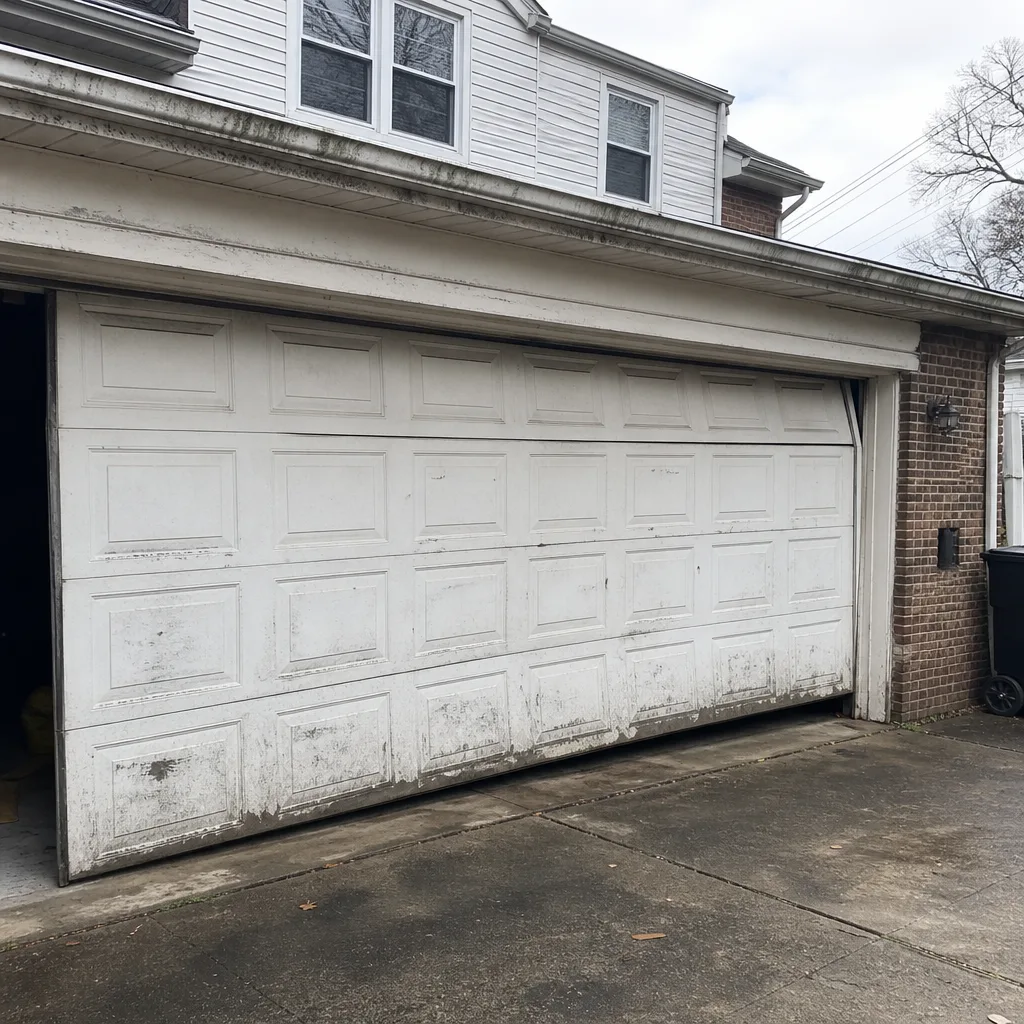 Before
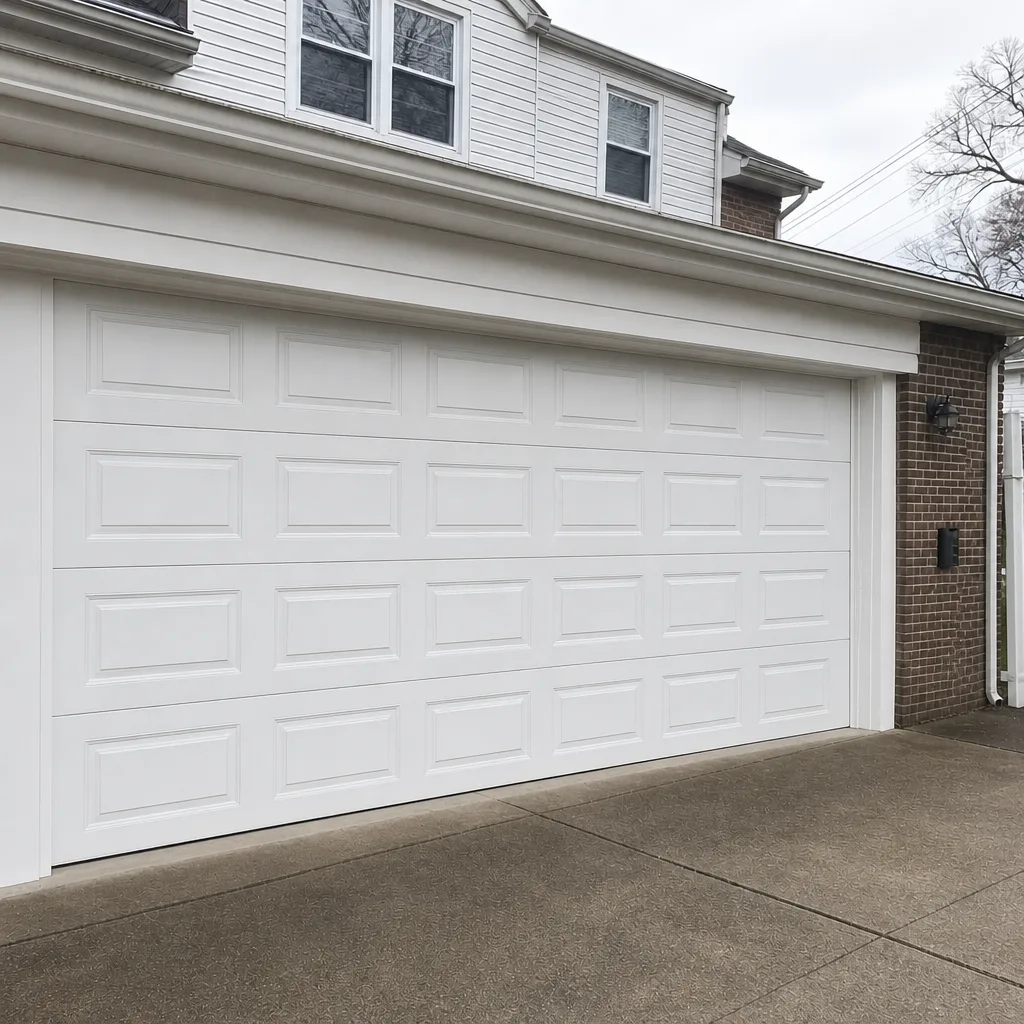 After
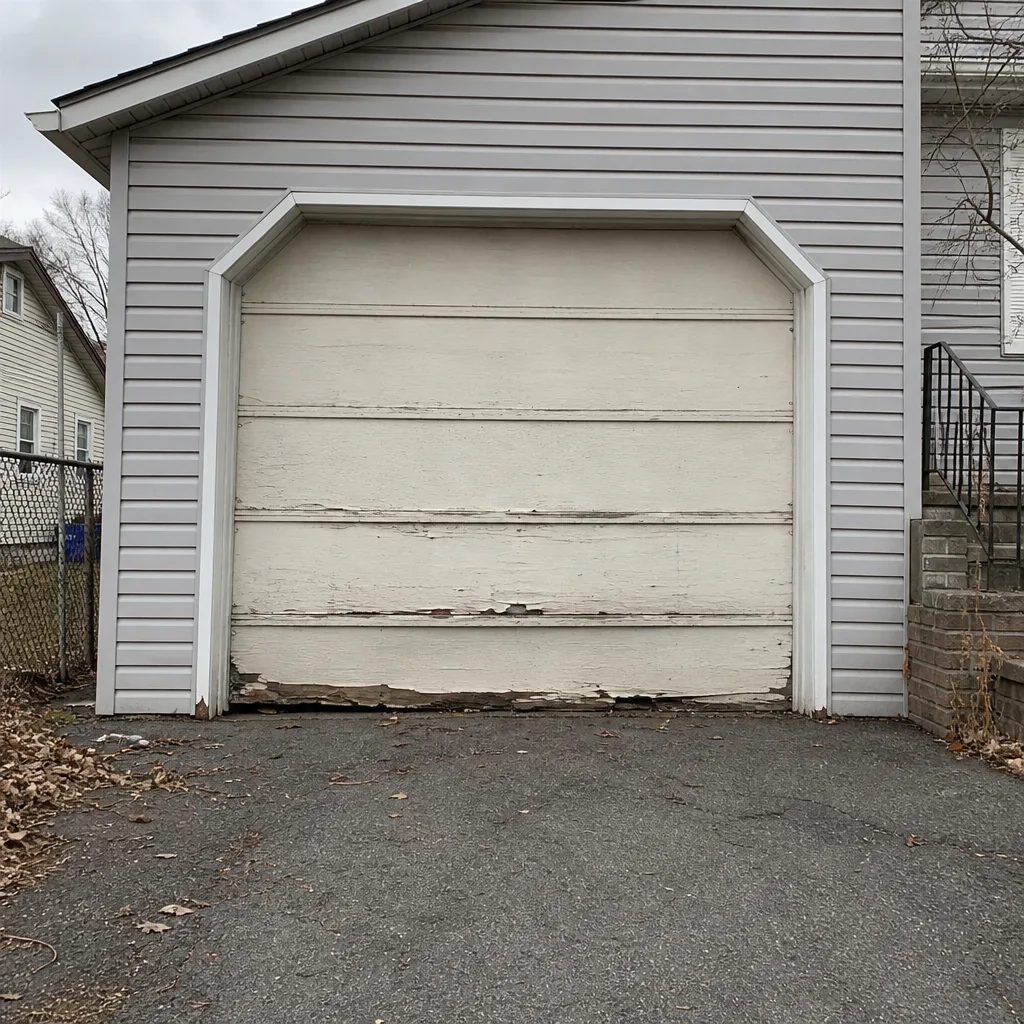 Before
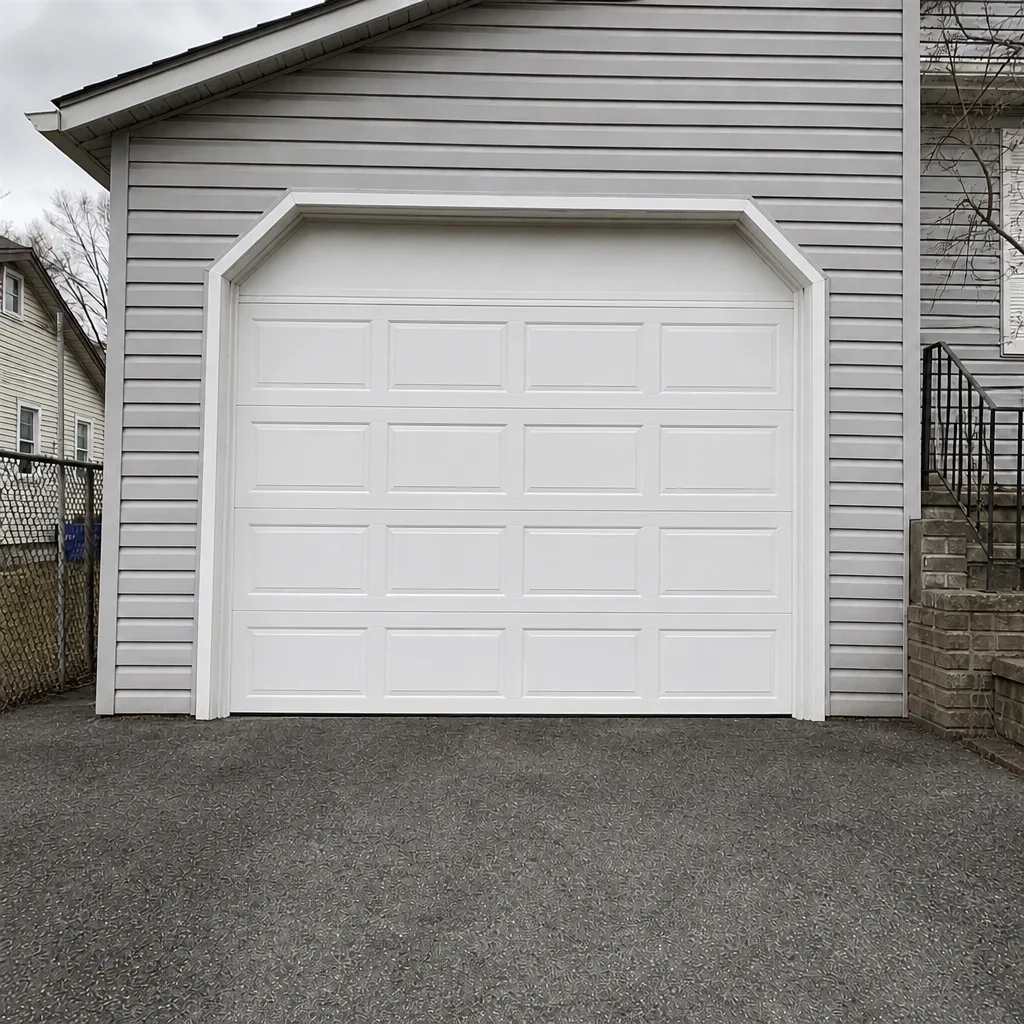 After
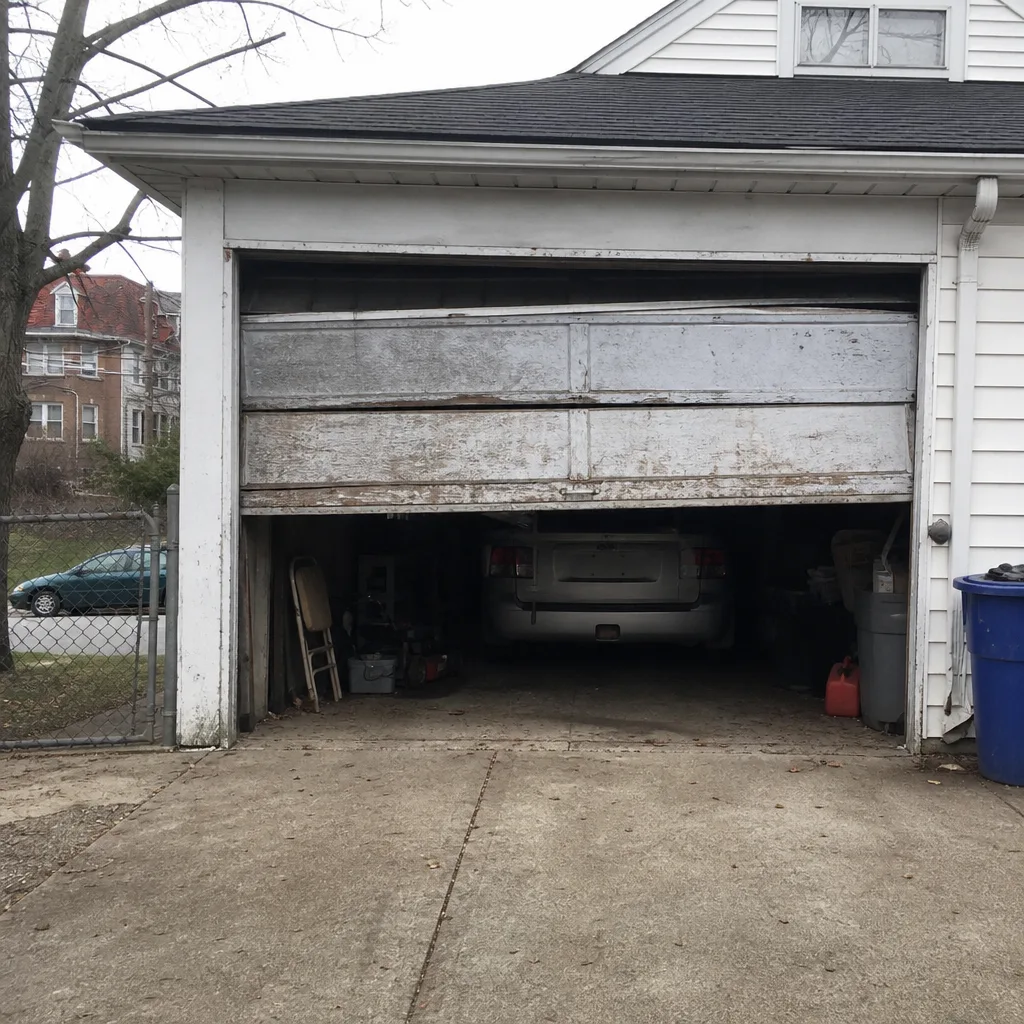 Before
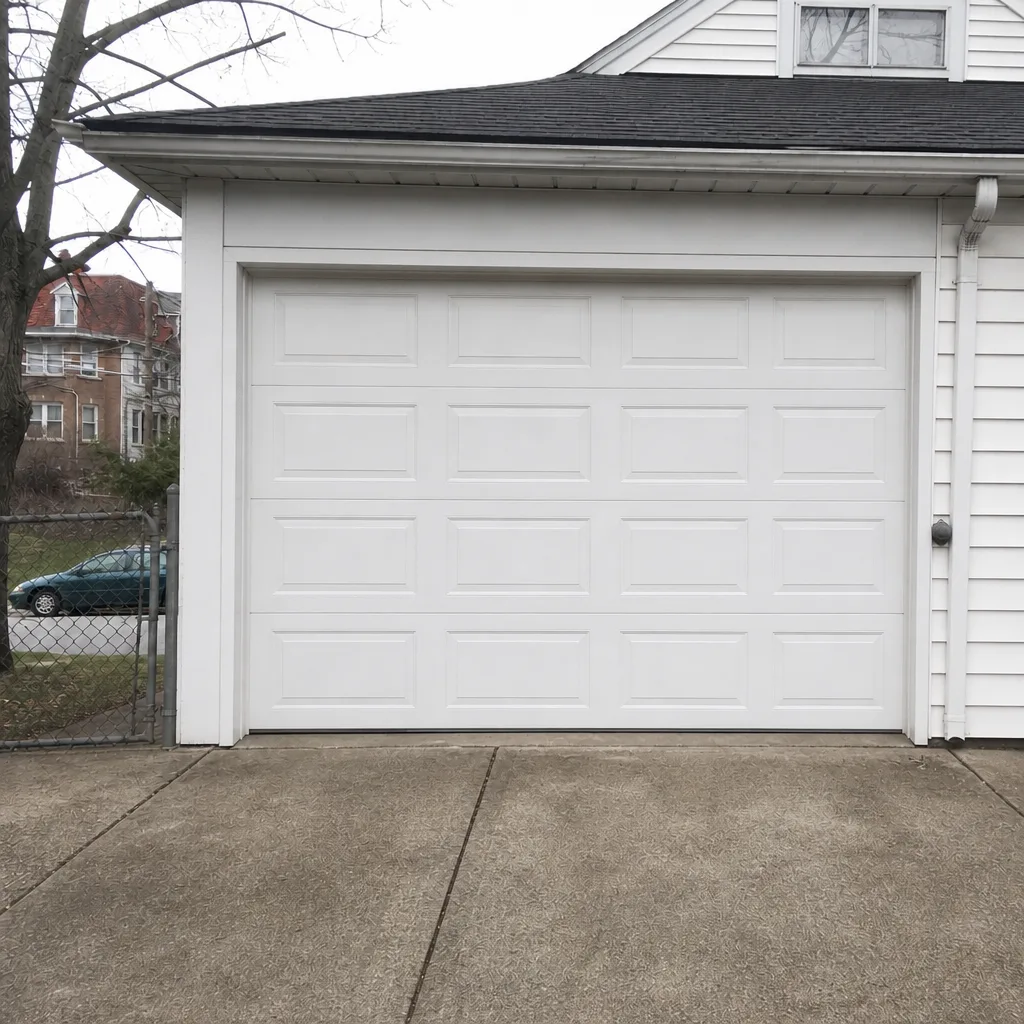 After
When to Call a Professional
Call a professional the moment the door stops moving or starts moving wrong. If it’s stuck open or stuck closed and a car is trapped inside, that’s an emergency. If a spring has snapped you’ll hear a sharp crack, and the door will feel impossibly heavy to lift. If the opener runs but the door doesn’t move, if the door reverses halfway up, or if it’s binding in cold weather, those are jobs for a specialist, not a weekend project. Spring and cable work especially should never be a do-it-yourself task. Yonkers Garage Door Repair Co offers free estimates in Yonkers. Call (844) 443-4494. We answer 24/7, and fast dispatch from 7am to 7pm runs Sunday through Friday. The written estimate sets the price before any work starts, so you know what you’re agreeing to.
Frequently Asked Questions
A standard single-car sectional door in Yonkers typically runs in a broad range depending on door size, material, and insulation, and a double-car door typically costs more. Because pre-war and low-headroom openings need custom fits, the price is set per job by a written estimate after we measure. Call (844) 443-4494 for an exact quote. Estimates are free.
Not always. Many pre-war Yonkers garages were built for smaller cars and have narrower openings and lower ceilings than the 8-foot standard. A measurement of headroom, side room, and backroom tells you whether a standard sectional door will work or whether a custom fit or one-piece tilt-up door is the right call. Book a free estimate and we’ll measure before pricing.
For repair and emergency work, yes, where scheduling allows. We answer 24/7, and fast dispatch from 7am to 7pm runs Sunday through Friday. A broken spring or a dead opener on a door you rely on every day is exactly the kind of job that gets worked in quickly. Call (844) 443-4494 to check availability for today.
No. The price is quoted and agreed before any work starts. If a repair reveals something unexpected, we tell you and re-quote before touching anything, not after. The written estimate sets the final price, and you’ll know exactly what you’re agreeing to before we begin.
The local professional we connect you with is licensed and insured as the state requires. That’s the standard we look for, and it’s the right question to ask before any garage door work, spring or cable adjustment, or opener repair. Call (844) 443-4494 for a free estimate and ask for details on the technician assigned to your job.
Yes. Road salt and street-level spray during and after storms accelerate corrosion of hinges, rollers, seals, and cables faster than in inland suburbs where the same storms hit with less salt load. Regular inspection of the bottom of the door and annual lubrication make a real difference. Spring and cable work should always go to a trained professional, because it’s the most hazardous part of the job.
The Bottom Line
The right garage door for your Yonkers home comes down to the era of your structure, not the style you like. Pre-war openings need custom fits and low-headroom planning, postwar colonials work well with standard sectional doors, and newer builds support insulated and carriage-style options. Winter salt and street spray change what needs checking and how often. Before you spend anything, get a measurement and a written estimate. Whether it’s a spring, an opener, or a full door, the sequence is always the same: diagnose correctly, quote in writing, fix the first time. When you’re ready, Yonkers Garage Door Repair Co is here.
Call (844) 443-4494 for a free estimate. We answer 24/7, and fast dispatch from 7am to 7pm runs Sunday through Friday.
Want to see the full scope of what we do? Visit Yonkers Garage Door Repair Co to learn more about our repair, spring, opener, and installation work.
Written by the team at Yonkers Garage Door Repair Co.