
Last updated November 21, 2026
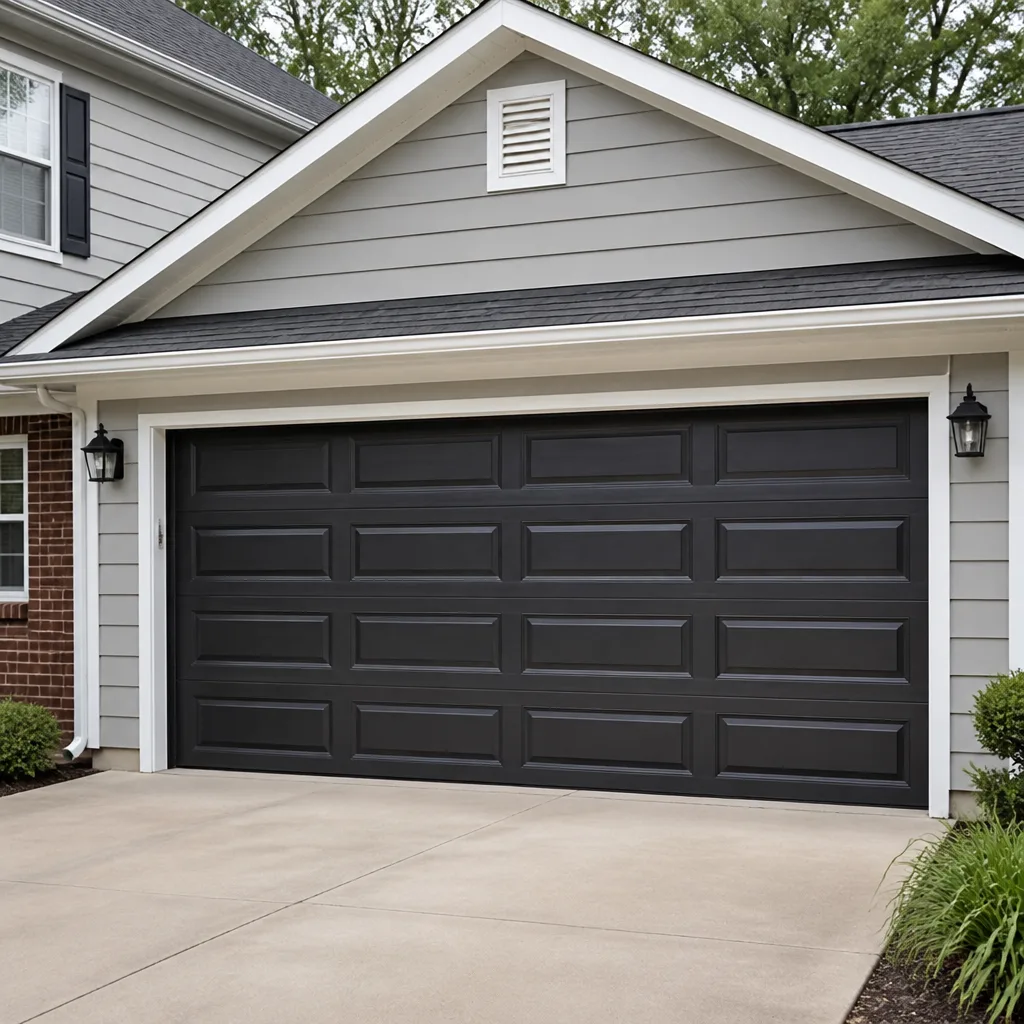 Raised-panel steel
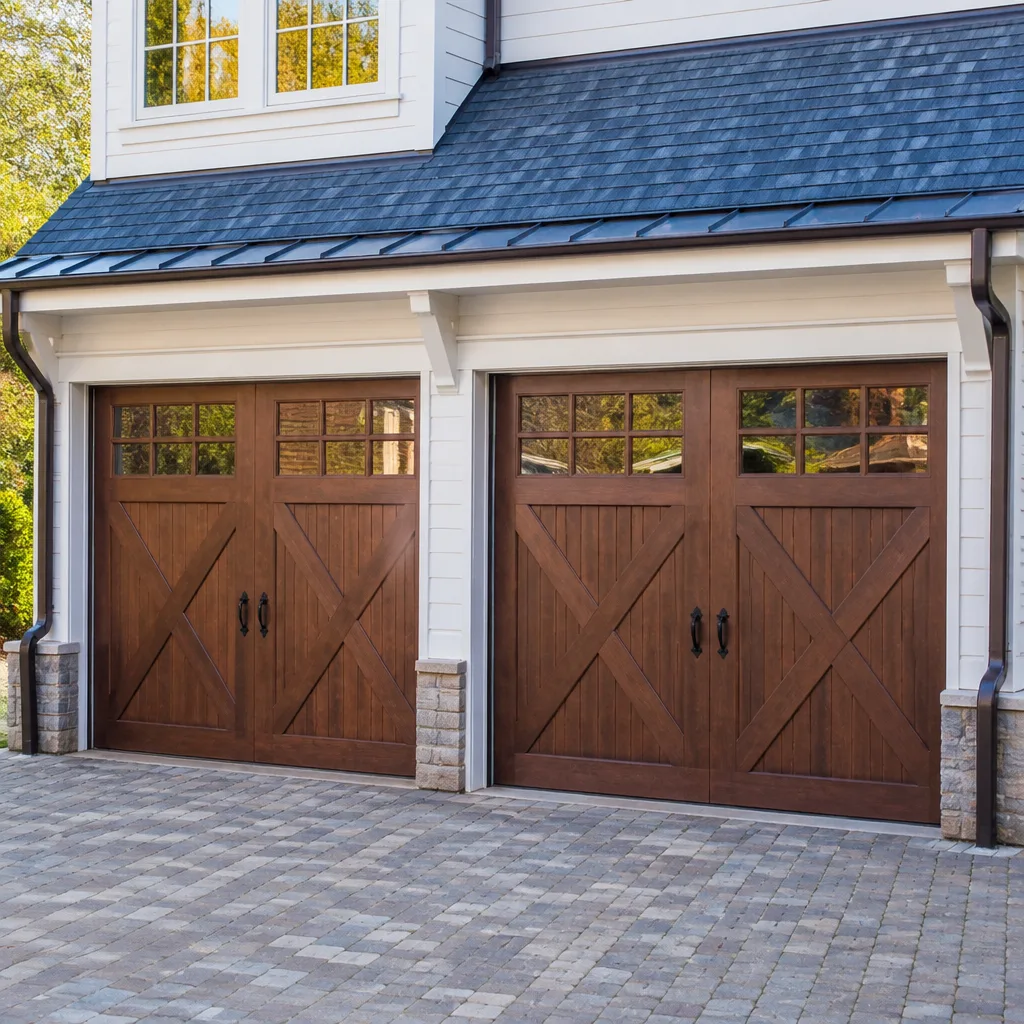 Carriage house
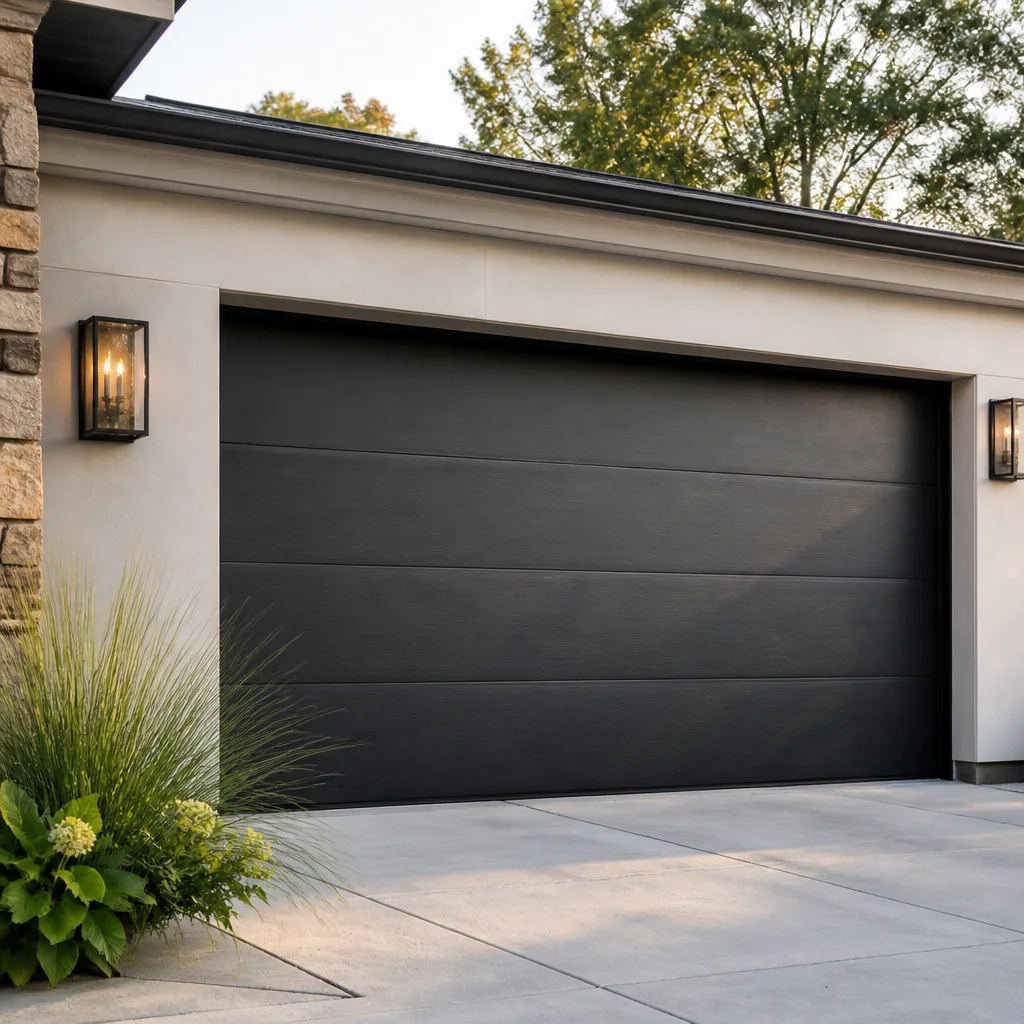 Modern flush
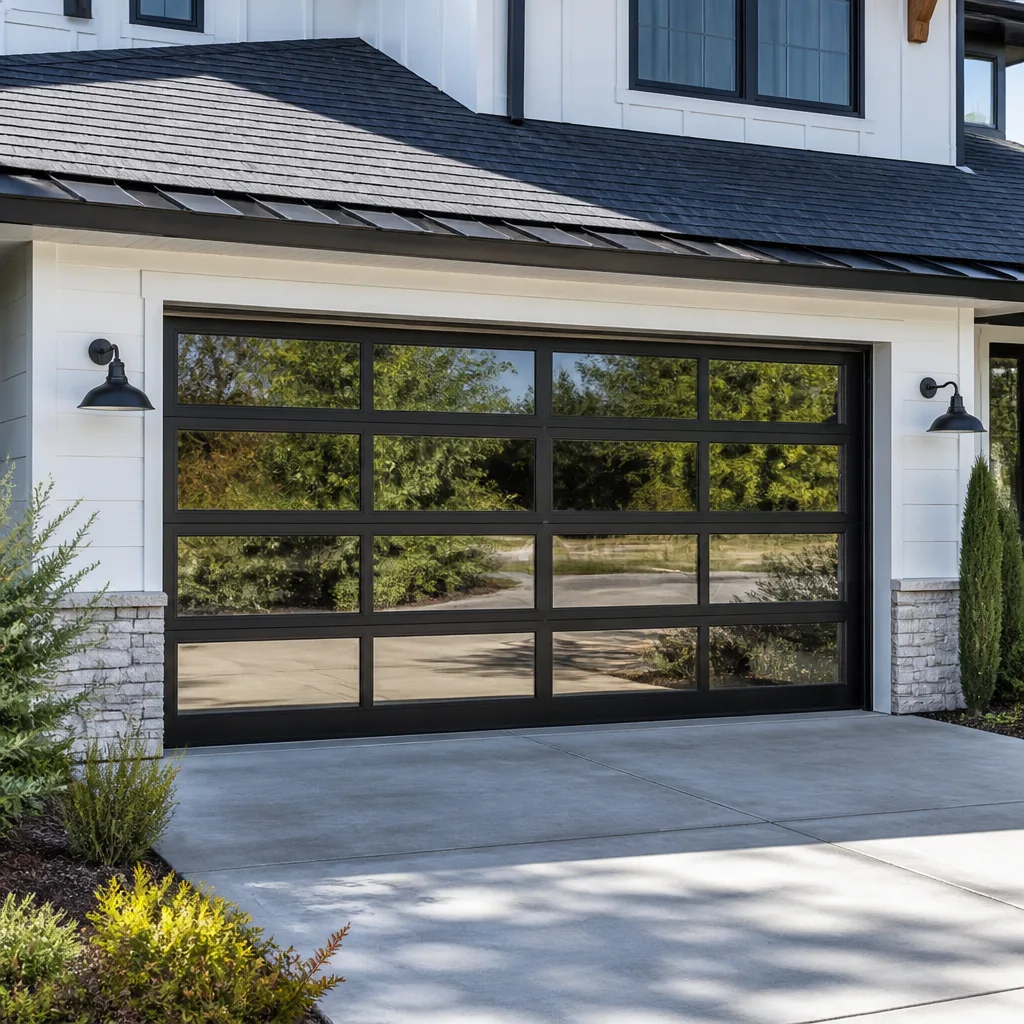 Full-view glass
 LiftMaster openers
 Chamberlain openers
Full 25-point door and opener safety check with every visit - springs, cables, rollers, tracks, and your LiftMaster or Chamberlain opener included
You get a price before we start. It does not change when the pro arrives.
Get your free estimateSeasonal Garage Door Care for Yonkers: Year-Round Homeowner’s Guide
Most homeowners in Yonkers assume January is the month that breaks garage doors. In our experience, it isn’t. Late October is the highest-risk stretch of the year, and the reason is thermal contraction: hardware that swelled through a humid summer and was never serviced suddenly shrinks as overnight temperatures slide toward freezing, and every bolt, cable, and roller takes the strain at once. By the time the real cold arrives, the damage is done and the door is already out of adjustment. This guide walks through each of Yonkers’ four seasons as its own technical chapter, because a July problem and a February problem are not the same problem.
Quick Answer
Garage door care in Yonkers is seasonal, and each season stresses a different part of the system: fall is for pre-winter tightening and weather-seal inspection, winter is about low-temperature lubrication and opener force, spring is a post-freeze audit, and summer is about humidity, heat expansion, and UV damage. The single most important window to act is October, before the first frost, when hardware that was never serviced after summer is most likely to fail. A short inspection and lubrication pass each season prevents most of the failures we see.
Styles & brands we work with
- Raised-panel steel
- Carriage house
- Modern flush
- Full-view glass
- LiftMaster openers
- Chamberlain openers
Table of Contents
- Why Yonkers Weather Is Hard on Garage Doors
- Fall: The Pre-Winter Prep Sequence
- Winter: Cold, Grease, and Opener Performance
- Spring: The Post-Freeze Audit
- Summer: Humidity, Heat Expansion, and UV
- The One-Page Seasonal Task Calendar
- Common Mistakes to Avoid
- When to Call a Professional
Why Yonkers Weather Is Hard on Garage Doors
Yonkers sits in a climate band where a garage door faces genuine four-season abuse. That’s not marketing language. It’s a specific mechanical reality. The door is a large steel or wood panel suspended on cables and springs, and it expands and contracts with every temperature swing. Over a year in Yonkers, that panel can move through a wide range of temperatures, from summer heat that softens rubber seals to winter cold that makes steel contract and grease stiffen. Each swing loads the springs, cables, hinges, and rollers a little differently.
The frost line matters too. Yonkers averages a first frost sometime in late October or early November and a last frost in April. Between those dates, the ground and the air around your garage door go through repeated freeze-thaw cycles, and moisture works its way into places it shouldn’t: the bottom seal, the gaps around the frame, the track bolts. A door that sits through those cycles without attention develops the small problems that turn into snapped springs and stuck doors.
Then there’s the housing stock. Yonkers has a wide mix of older homes with wood-frame garages and newer construction with steel doors on tighter tolerances. A wood door responds to humidity very differently from a steel one, and a home near the Hudson or the Bronx River corridor sees more ambient moisture than one higher up in the hills. The care plan has to match the door, not just the calendar.
The good news is that the failure modes sort themselves by season, and once you know which season stresses which part, the maintenance gets much simpler. That’s what the rest of this guide covers.
Fall: The Pre-Winter Prep Sequence
Fall is the season that decides whether your door makes it through winter without a repair call. Late October, specifically, is the highest-risk month in Yonkers for garage door failures, because thermal contraction is hitting hardware that was never serviced after summer humidity swelled it. The goal of fall prep is to tighten everything that will shrink and check everything that will freeze.
Work through this sequence in order. It’s the same order our technicians follow on a pre-winter inspection.
- Check cable tension. With the door closed, look at the cables on each side. They should be taut and even, with no fraying, kinks, or slack. Uneven tension between sides is an early warning that a cable or drum is wearing. Do not attempt to adjust cable tension yourself: cables are under extreme load and can cause serious injury. Note the condition and have a trained technician address it.
- Inspect the weather seal. Look along the bottom rubber and around the frame. Any gap, crack, or flattened section will let cold air and moisture in all winter. A seal that’s already brittle won’t survive the first hard freeze.
- Lubricate hinges, rollers, and the torsion bar. Use a garage-door-specific low-temperature lubricant, not household oil or WD-40. More on that in the winter section.
- Test the opener’s force adjustment before temps drop below 32°F. As the door stiffens in cold weather, the opener needs to work harder. If the force setting is already at the edge of its range, the door will reverse or stop when the cold hits. Test the auto-reverse and force settings now, while it’s still warm enough to adjust them accurately.
- Clear the tracks and check the photo-eye alignment. Small debris and misaligned sensors cause more winter “opener failures” than the opener itself.
One fall task people skip: checking the balance of the door by hand. Disconnect the opener, lift the door halfway, and let go. A properly balanced door stays put. If it drops or rises on its own, the springs are losing tension and should be assessed before winter.
Winter: Cold, Grease, and Opener Performance
Sub-freezing temperatures affect a garage door in three ways: the metal contracts, the grease thickens, and the opener has to overcome both. When the temperature drops below 32°F, the lubricant you applied in summer becomes a liability if it wasn’t rated for cold. Standard grease stiffens into something closer to wax, and the rollers and hinges start dragging instead of rolling. That drag translates directly into strain on the opener motor, the torsion springs, and the cables.
Low-temperature lubricant for Yonkers conditions means a product designed to stay fluid below freezing. The label should say so; if you can’t tell, it’s the wrong product. What you’re after is a lubricant that stays thin enough to protect metal-on-metal contact at 10°F, not one that works great at 70°F and turns to paste in January. Apply it to the hinge pivots, the roller stems, and the bearing plates at the ends of the torsion bar. Don’t lubricate the tracks themselves: they’re meant to run dry so the rollers can roll rather than slide.
Opener motor performance drops in the cold as well. A LiftMaster or Chamberlain unit that runs smoothly in summer may struggle if the door is stiff and the force setting is marginal. If your opener reverses for no clear reason in cold weather, don’t increase the force setting to compensate without checking the door first. A stiff door is usually the underlying problem, and a technician can tell you whether it’s the springs, the rollers, or the opener itself. That’s part of the diagnosis we do on garage door opener repair calls throughout Yonkers.
Watch for these winter warning signs:
- The door moves slowly or hesitates on the first cold-morning open.
- The opener strains audibly or the motor sounds labored.
- Ice or frost builds up along the bottom seal and the door sticks to the floor.
- One side of the door lifts before the other.
If the door fails to open completely in freezing weather, don’t force it. Call for same-day help and avoid running the opener repeatedly against a jammed door. We answer 24/7. Fast dispatch from 7am to 7pm.
Spring: The Post-Freeze Audit
Spring in Yonkers means one thing for your garage door: the freeze-thaw season is over, and it’s time to find out what the winter did. The post-freeze audit is the most overlooked maintenance step of the year, because the door often still works after a hard winter even when it’s been damaged. The problems show up later, and they usually show up as a snapped torsion spring or a door that suddenly won’t close all the way.
Start with the bottom seal. Repeated freeze-thaw cycles are brutal on bottom rubber: the seal cracks, tears, or pulls away from the retainer. Lift the door and look along the full length of the bottom edge. Any gap between the seal and the door is a place where water and cold air will enter, and a torn seal will eventually let debris into the track. If the seal is cracked or compressed flat, it needs replacing, not patching.
Then inspect the torsion bar mounts. This is a genuinely important check that most homeowners never do. The torsion bar runs across the top of the door and is anchored by mounting brackets at each end, usually bolted to the header or the jamb. During freeze-thaw cycles, the wood or masonry around those mounts moves slightly, and the hardware loosens. Look for hairline cracks in the mounting plate, dark lines radiating from bolt holes, and any gap between the bracket and the wall. If you see any of these, stop using the door and have it checked by a trained technician. A torsion bar under load that slips from a failing mount is a serious hazard.
Spring is also a good time to look at the springs themselves. Torsion springs that survived winter may be partially wound down, which shows up as a door that’s suddenly heavy to lift by hand. Extension springs can develop visible gaps in the coils. Neither condition is a DIY fix, and both are exactly the kind of thing that should be handled by someone who works on this hardware daily. Spring work is the most dangerous repair in the trade, and we treat it as its own specialty rather than an afterthought on a general service call.
Once the audit is done, do a lubrication pass and a balance test. The door should be light and even through its whole travel, and it should stay put when lifted halfway by hand. If it doesn’t, that’s your early signal to schedule a diagnostic before summer.
Summer: Humidity, Heat Expansion, and UV
Summer in Yonkers is the humidity season, and humidity changes how a garage door behaves. The two big issues are wood door swelling and heat-driven hardware misalignment. Both are easy to miss because the symptoms come on gradually.
If your garage door is wood or has wood frame components, summer humidity makes the panel swell. That swelling tightens the fit against the frame, which can cause binding, sticking, and uneven opener operation. It also opens up gaps where the panel meets the hardware, which lets in more moisture. A door that binds in July and runs fine in October is usually telling you something about its wood. On a Wayne Dalton or other steel door, humidity affects the frame more than the panel, but the effect is similar: the door runs tighter and the opener works harder.
Heat expansion causes a different problem: photo-eye misalignment. The two safety sensors at the bottom of the track sit on brackets that expand and shift with temperature. When they move even slightly out of line, the opener refuses to close the door, and the symptom looks like an opener failure when it’s really just alignment. Before you call about a door that won’t close, check that both sensor lights are on and that nothing (a broom, a bag, a child’s toy) has crept into the beam path. A quick realignment often solves it. If the sensor bracket itself is loose or damaged, that’s when a technician should look at it.
UV degradation is the third summer issue. The bottom rubber seal takes direct sun through an open garage door all summer. Over a season or two, it hardens, cracks, and loses the flexibility it needs to seal against the floor. Inspect it every summer and replace it when it starts to feel stiff. It’s a cheap part with a big effect on how well the door seals, insulates, and runs against the floor.
Summer is also the right time to think about replacement if your door is nearing the end of its life. The garage door installation work we do is usually scheduled when the weather is mild so the new door can be measured and fitted without fighting the cold. If you’re weighing repair against replacement, a free measure and a written price will tell you far more than a guess.
The One-Page Seasonal Task Calendar
Generic national maintenance calendars are useless in Yonkers because they’re timed to the wrong frost dates. Here’s a calendar tied to the actual Yonkers growing season, with the first frost expected in late October or early November and the last frost in April. Treat each entry as the trigger for that task, not a fixed date.
- Late September: pre-winter inspection. Lubricate hinges, rollers, and torsion bar bearings with low-temperature lubricant. Check the balance of the door by hand.
- Early October: test the opener force and auto-reverse settings while it’s still warm enough to adjust accurately. Check cable tension and note any fraying or slack.
- Mid-to-late October (before first frost): inspect the bottom weather seal and frame for gaps. Clear the tracks. Confirm photo-eye alignment.
- November through March: watch for slow or labored opener operation, ice at the bottom seal, and doors that stick to the floor. Don’t force a jammed door.
- April (after last frost): post-freeze audit. Check the bottom seal for cracking, inspect torsion bar mounts for hairline cracks, and test the springs for lost tension.
- May: lubrication pass and full balance test. Schedule a diagnostic if the door is heavy or uneven.
- June through August: watch for humidity binding on wood doors, check the photo-eye alignment after heat waves, and inspect the bottom seal for UV hardening.
- Late August: recheck force settings and opener performance before the fall tightening season begins.
Two of these moments matter more than the rest: the late-October prep and the April audit. The fall prep prevents the winter failures, and the spring audit catches the winter damage. If you do nothing else all year, do those two.
See the difference
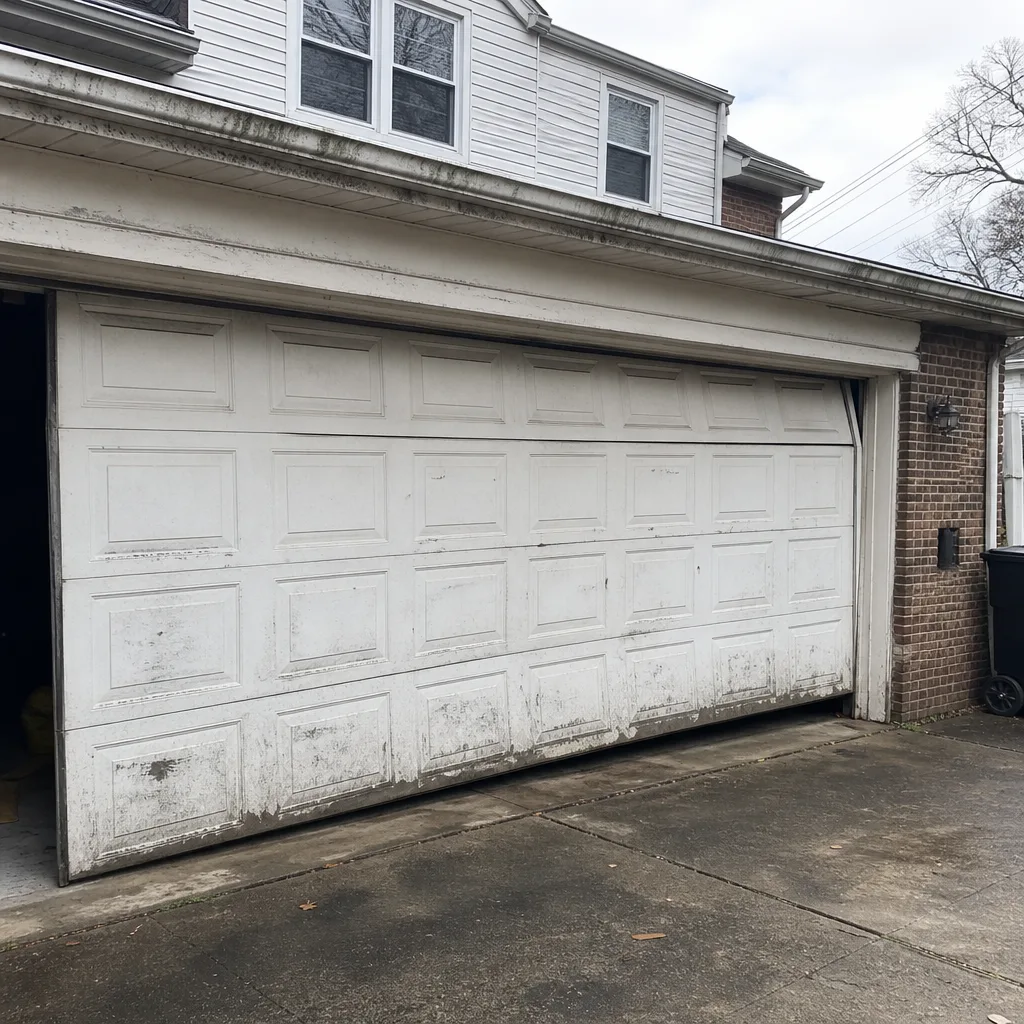 Before
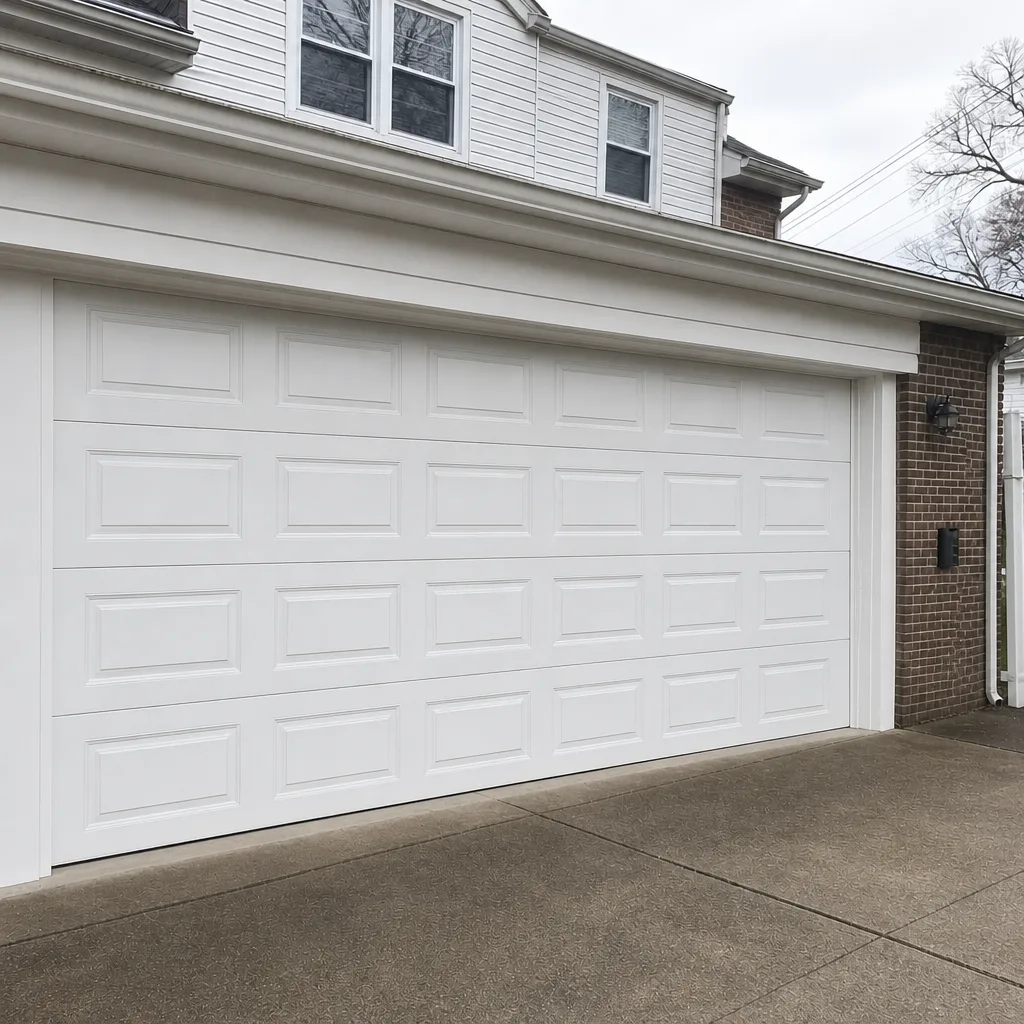 After
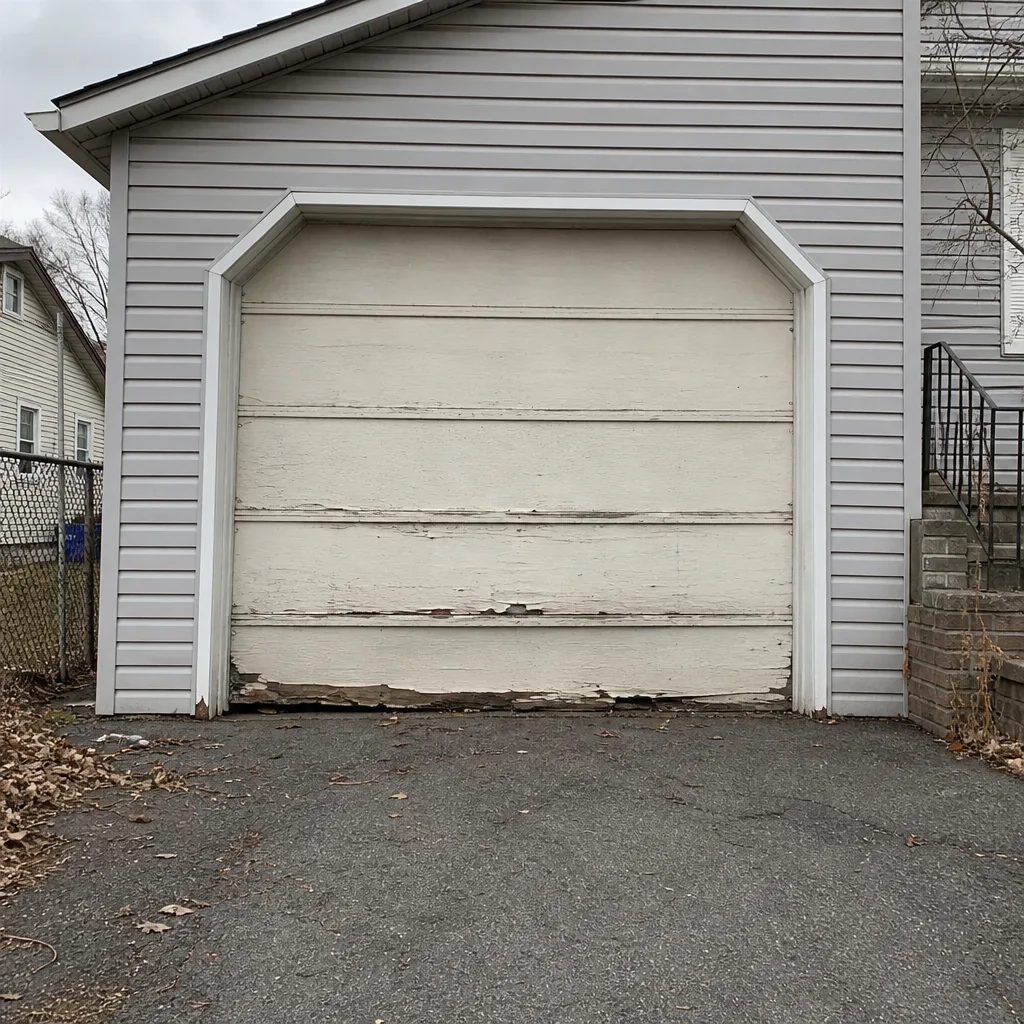 Before
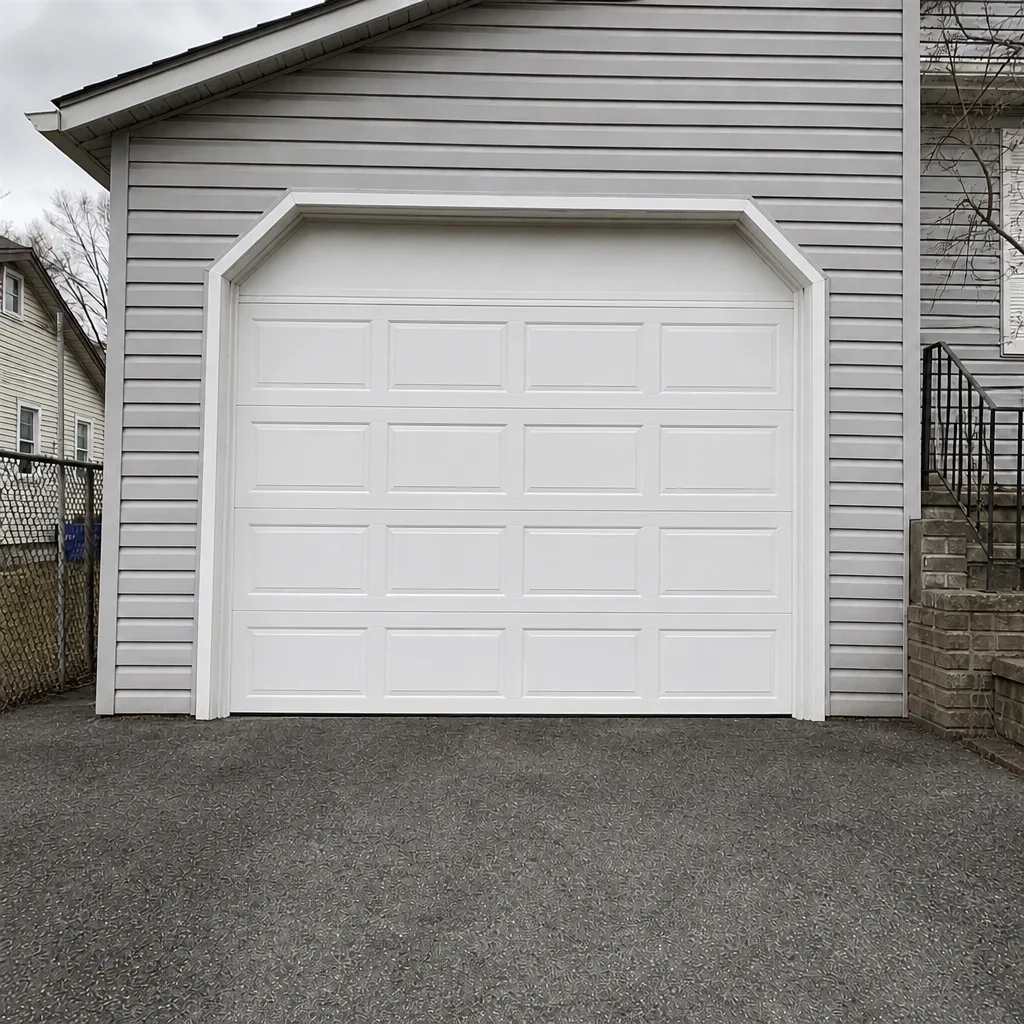 After
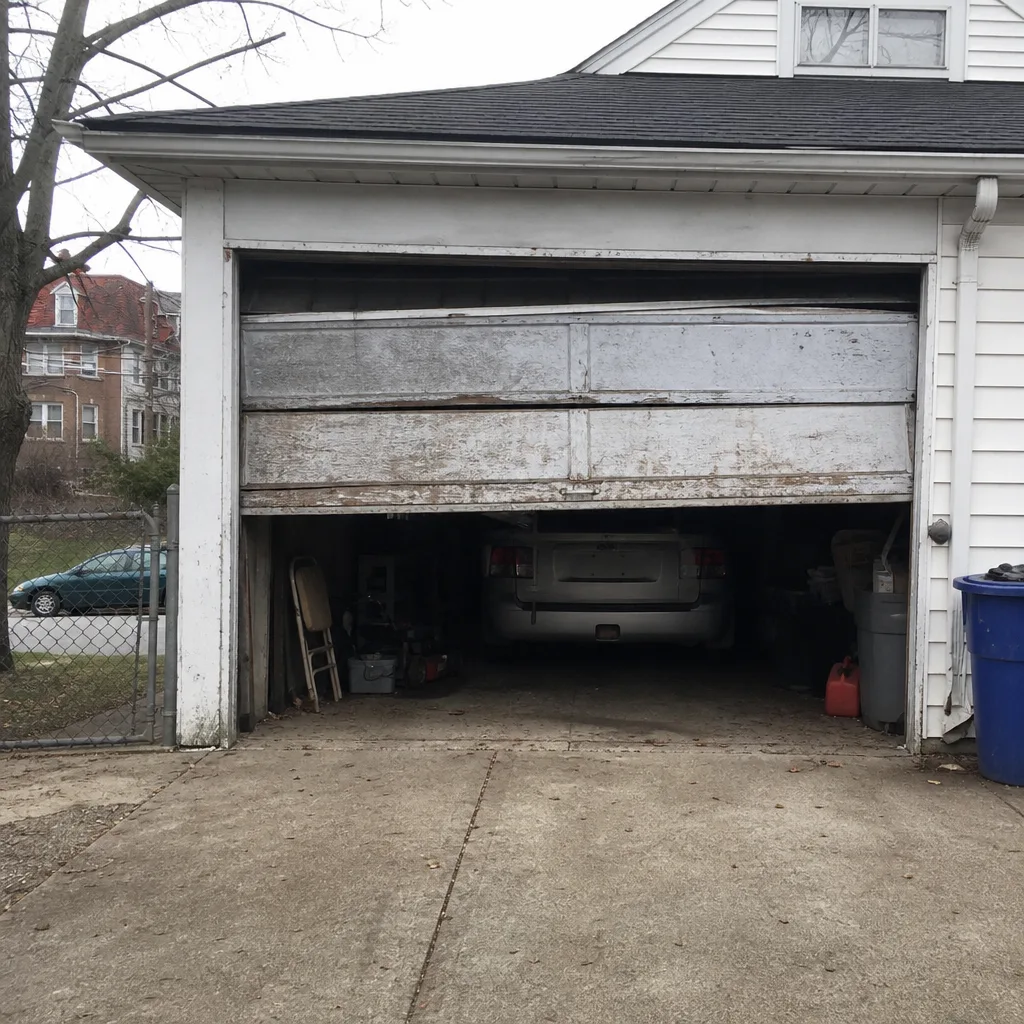 Before
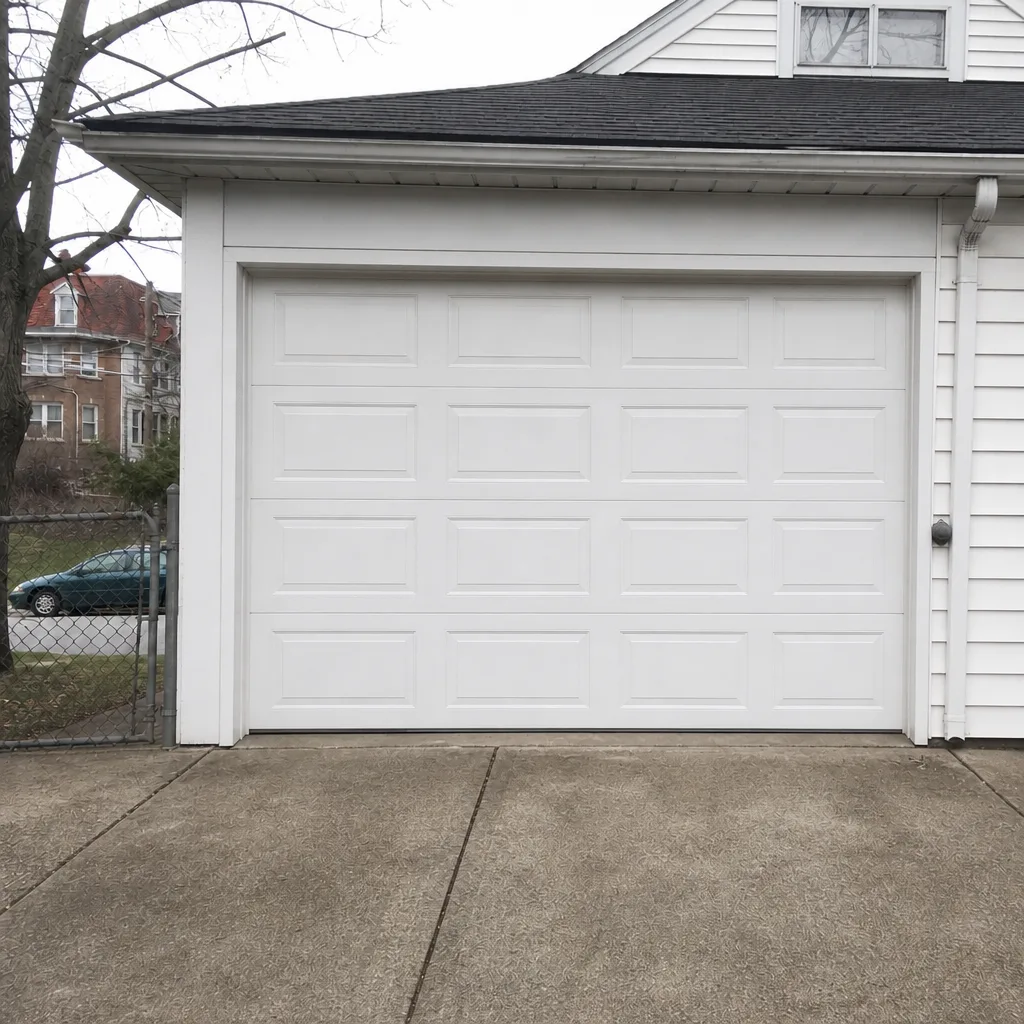 After
Common Mistakes to Avoid
- Waiting for a failure before servicing. The door usually gives warning signs weeks before it stops working: slow operation, uneven lifting, a heavy feel by hand. Ignoring those signs is how a small adjustment turns into a snapped spring.
- Using the wrong lubricant. Household oil and general-purpose spray lubricants thicken in cold weather. In Yonkers winters, that’s the difference between a door that opens smoothly and an opener that strains every morning.
- Lubricating the tracks. The tracks should run dry so the rollers roll. Lubricant on the tracks makes the rollers slide, which wears them out and causes binding.
- Adjusting opener force to compensate for a stiff door. If the door is stiff, the fix is at the door, not the opener setting. Cranking up the force hides a problem that will eventually damage the opener.
- Forgetting the bottom seal. The bottom seal is the part of the door most exposed to weather and the part most often ignored. A cracked seal lets in moisture, cold air, and debris all year.
- Assuming a heat-related sensor misalignment means a broken opener. In Yonkers summers, photo-eye misalignment from heat expansion is common. Check the sensors before you assume the motor is failing.
- Tackling spring or cable work yourself. Torsion springs and cables are under extreme load and can cause severe injury if released. This is the one part of garage door maintenance that should always go to a trained technician.
When to Call a Professional
Some seasonal tasks you can reasonably do yourself: lubricating hinges and rollers, checking the bottom seal, testing the balance of the door by hand, and clearing debris from the tracks. Other situations call for a trained technician, and knowing the difference protects both your door and your safety. Call a professional when the door won’t open or close completely, when you see frayed cables or a visibly damaged spring, when the torsion bar mounts show cracks, when the opener reverses or strains repeatedly, or when the door feels noticeably heavier than it used to. Spring and cable work should always be handled by a trained technician because of the dangerous tension involved, and any opener that keeps failing after you’ve checked the sensors and force settings is telling you something is wrong with the door.
Yonkers Garage Door Repair Co offers free estimates in Yonkers. Call (844) 443-4494. We answer 24/7. Fast dispatch from 7am to 7pm, Sunday through Friday.
Frequently Asked Questions
Late October is the most important month, because it’s your last chance to tighten and lubricate everything before thermal contraction and the first frost put the whole system under strain. Hardware that was never serviced after summer humidity is most likely to fail in this window. By January, the damage is usually already done.
Twice a year works for most doors in Yonkers: once in the fall before temperatures drop and once in the spring after the freeze season. Use a garage-door-specific low-temperature lubricant on the hinges, rollers, and torsion bar bearings, and leave the tracks dry. Doors that open and close several times a day may benefit from a third pass in midsummer.
Cold weather thickens grease and stiffens the door, so the opener has to work harder to move it. A door that moves slowly in winter is usually showing that the lubricant wasn’t rated for cold or that the door is binding. Don’t raise the opener’s force setting to compensate; have the door checked to find the real cause.
Check the bottom seal for cracks and separation, inspect the torsion bar mounts for hairline cracks or gaps, look at the springs for lost tension, and test the balance of the door by hand. A door that’s suddenly heavy to lift is a warning sign that the springs need attention. Any crack in the mounts means stop using the door and call a technician.
Yes. Heat expansion can knock the photo-eye sensors out of alignment, which stops the door from closing, and summer humidity can make wood doors swell and bind. UV also hardens the bottom rubber seal over time. Checking sensor alignment and the bottom seal each summer catches most of these issues early.
We don’t quote prices over the phone because the cost depends on the door and the parts involved. The estimate is free, and the written estimate you receive sets the final price before any work begins. Call (844) 443-4494 for an exact quote; estimates are free.
The Bottom Line
Garage door care in Yonkers is seasonal, and each season deserves its own attention rather than the same lubrication advice four times. Fall is for the pre-winter sequence: cable tension, weather seal, and opener force before the first frost. Winter is about low-temperature lubricant and watching for a strained opener. Spring is the post-freeze audit: bottom seal, torsion bar mounts, and spring tension. Summer is the humidity and heat season: swollen wood, misaligned photo eyes, and UV-damaged seals. Do the October prep and the April audit, and you’ll prevent most of the failures we see across Yonkers. When something is beyond a homeowner’s check, that’s what we’re here for. Garage doors are all we do, and we work on the brand already in your garage. Call (844) 443-4494 for a free estimate, and if you’d rather start with a repair, our garage door repair team can diagnose it correctly and fix it the first time.
Yonkers Garage Door Repair Co connects homeowners with independent local professionals across Yonkers. From spring to opener to the full door, one call covers diagnosis, repair, and replacement, and our technicians have up to 13 years of experience on the hardware you actually own.
When your door won’t move, we will. Call (844) 443-4494. We answer 24/7. Fast dispatch from 7am to 7pm, Sunday through Friday. The local pro is licensed and insured as their state requires, and the price is quoted and agreed before any work starts.
Written by the team at Yonkers Garage Door Repair Co.