
Last updated November 21, 2026
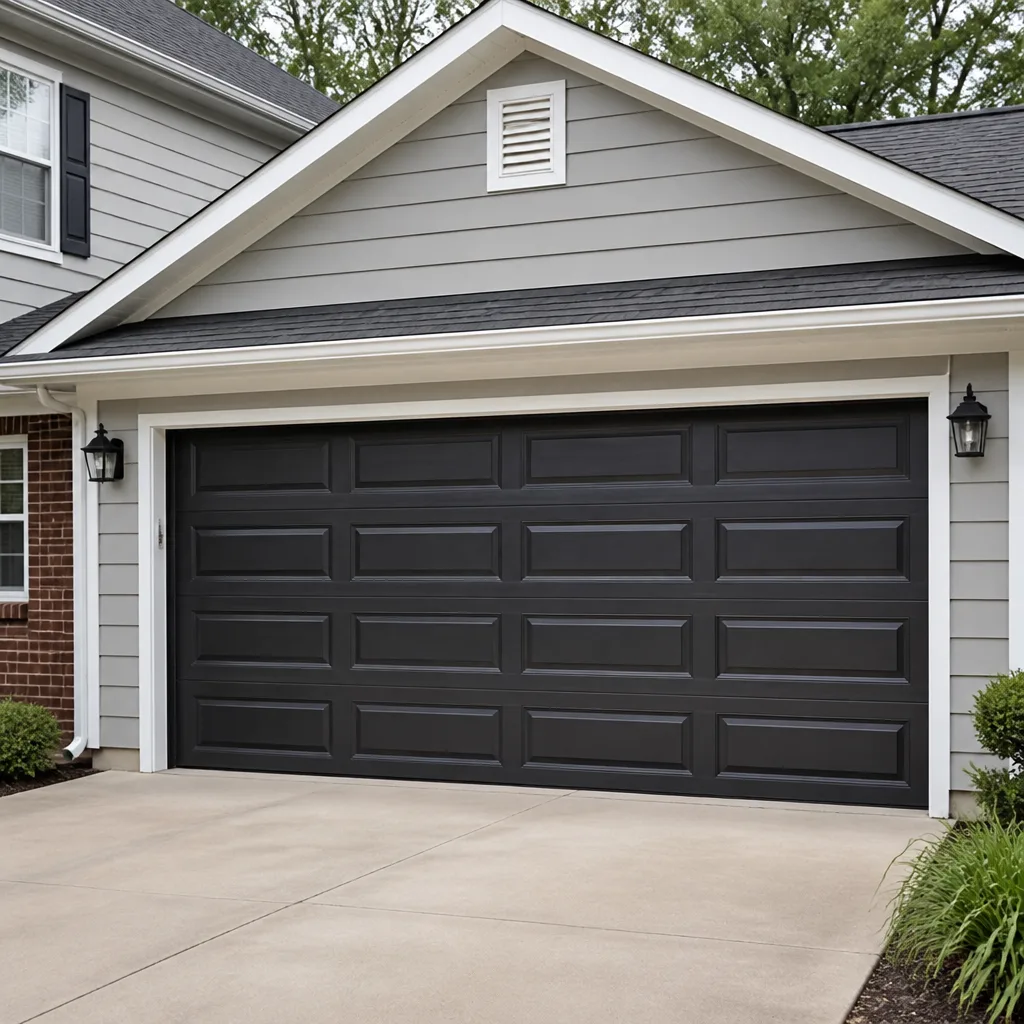 Raised-panel steel
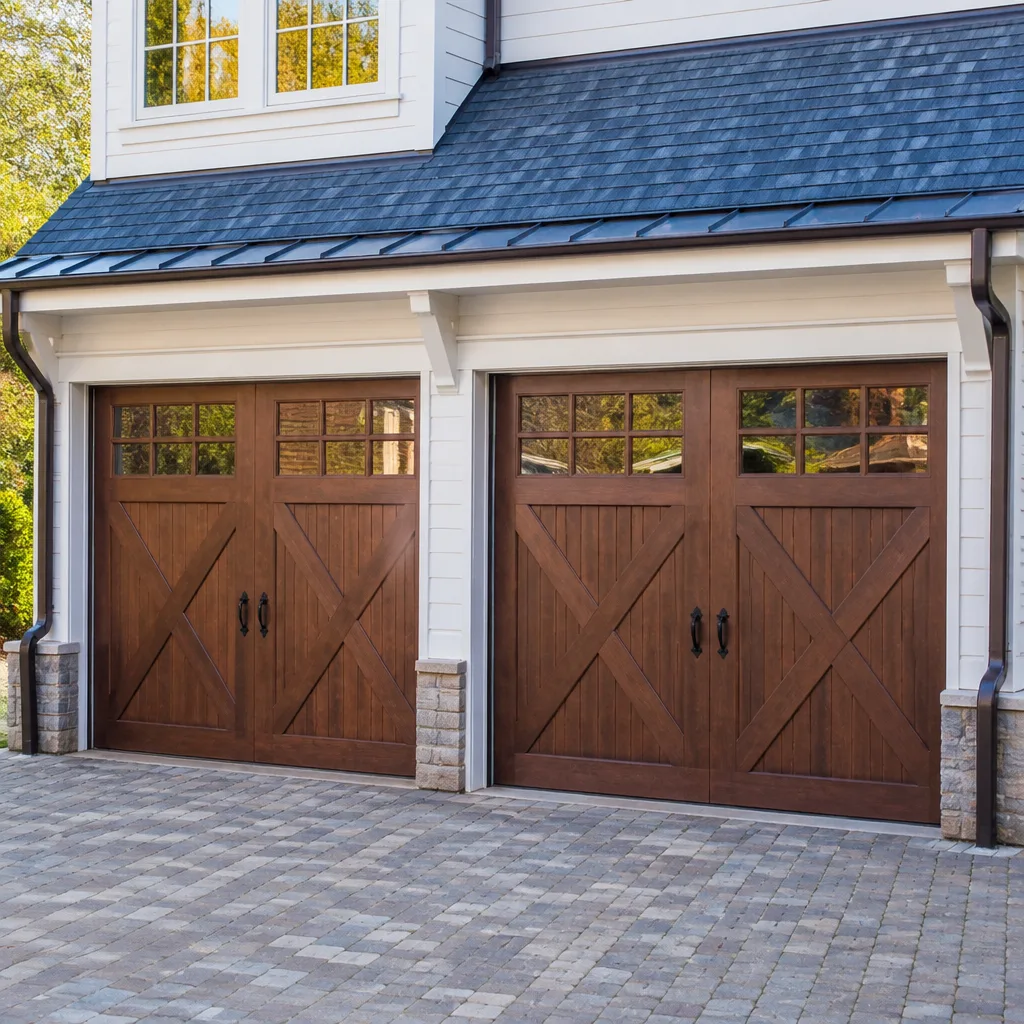 Carriage house
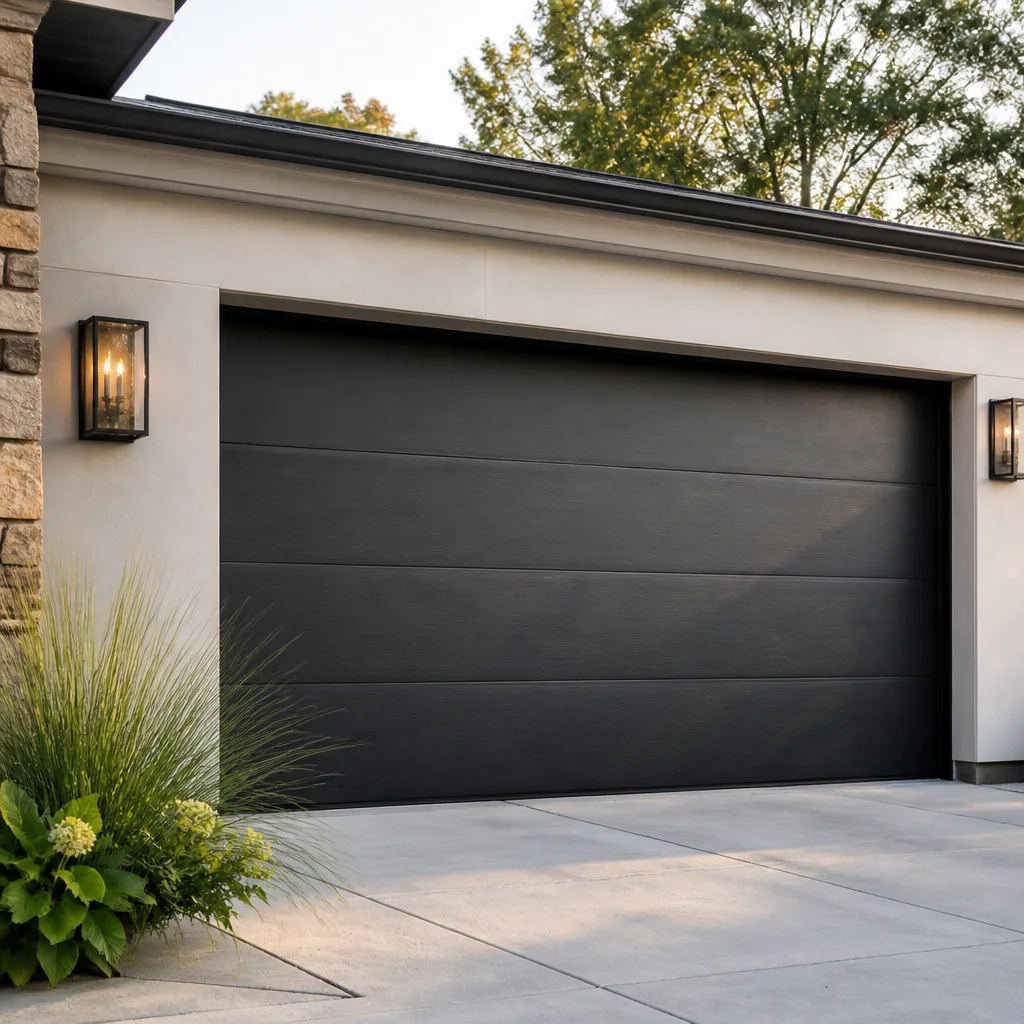 Modern flush
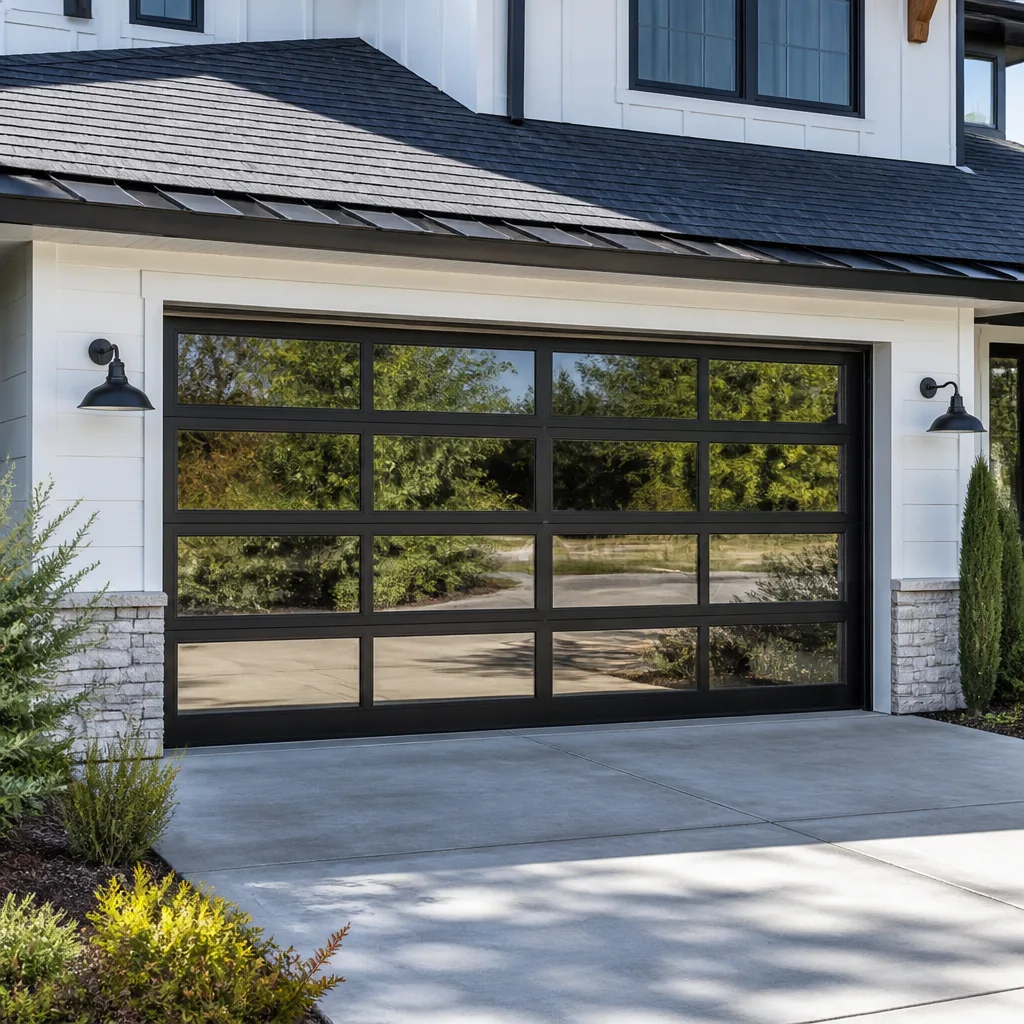 Full-view glass
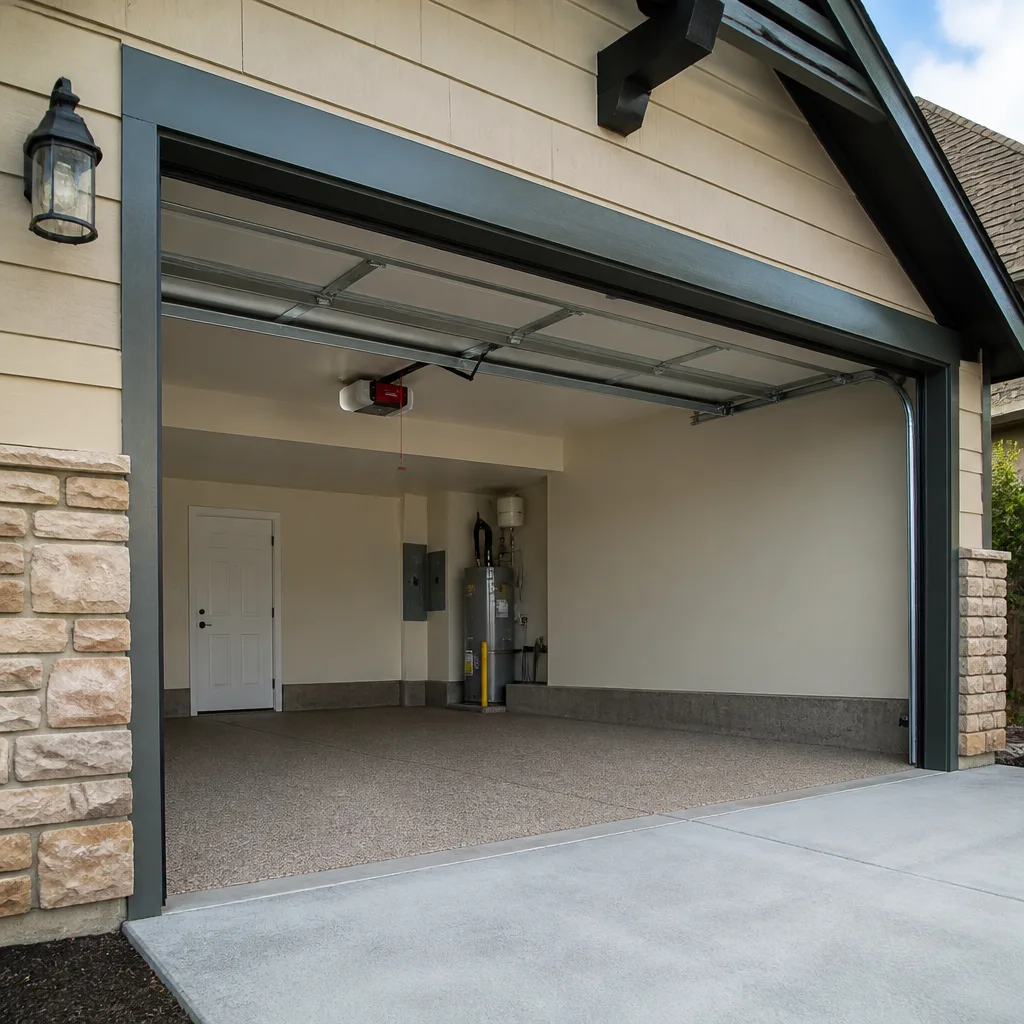 LiftMaster openers
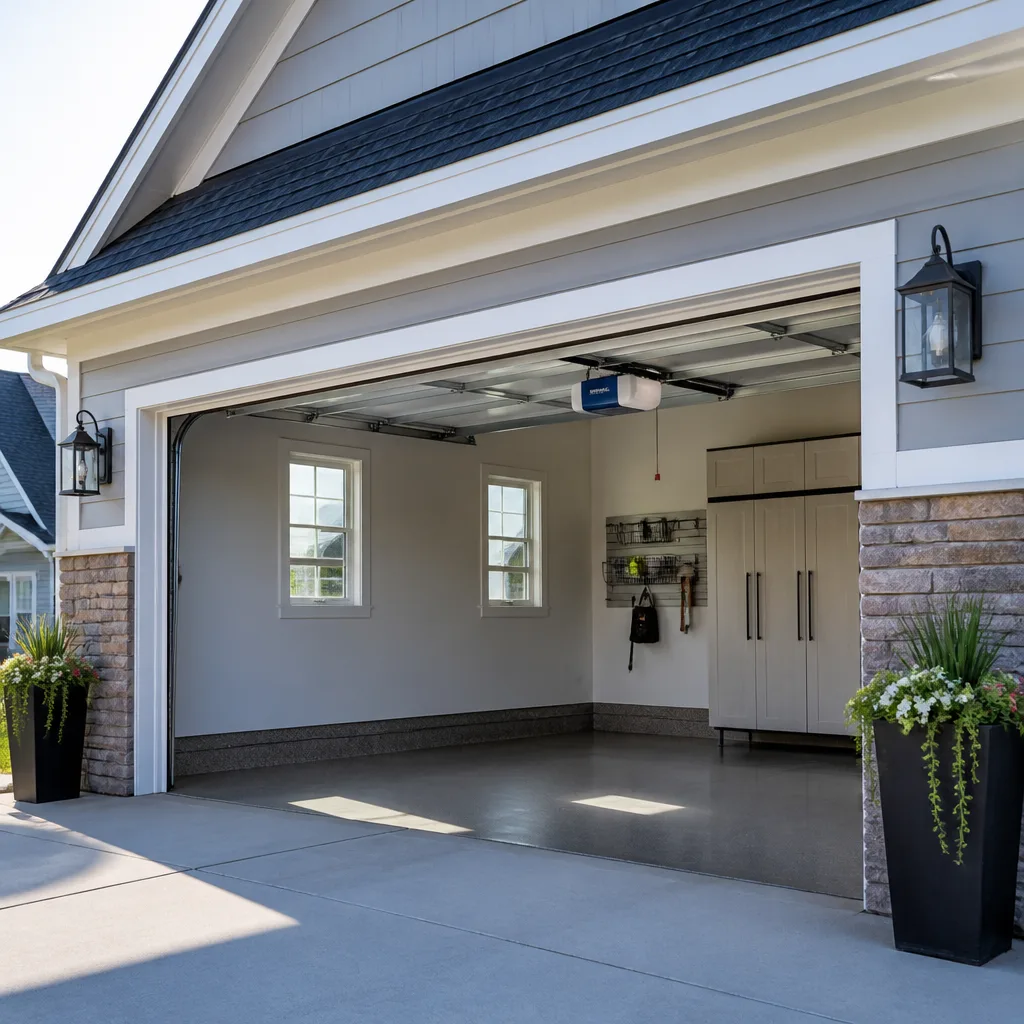 Chamberlain openers
Full 25-point door and opener safety check with every visit - springs, cables, rollers, tracks, and your LiftMaster or Chamberlain opener included
You get a price before we start. It does not change when the pro arrives.
Get your free estimateChoosing the Right Garage Door Brand: A Buyer’s Guide for Yonkers
Two garage doors can carry the same R-value rating, look nearly identical in a showroom photo, and still sit $600 apart on a quote. That gap usually has nothing to do with the color or the window inserts. It lives in the steel gauge, the end-cap construction, and whether the warranty is actually honored by the manufacturer or quietly voided the moment an independent technician touches the door. Most buyers in Yonkers never learn this until year five, when a panel dents and the replacement part isn’t the one they thought they were buying. This guide walks through what actually matters for a Westchester County install: steel thickness and road-salt exposure, how Clopay, Amarr, and Wayne Dalton differ on warranty and parts sourcing, why opener brand authorization changes your repair experience, and how to check a dealer’s current standing before you sign anything.
Quick Answer
The right garage door brand in Yonkers comes down to three things, not prestige: steel gauge and finish rated for Westchester road salt, a warranty backed directly by the manufacturer, and an installer whose brand authorization is current so factory parts stay available years down the road. For most Yonkers homes, a 24-gauge steel door from a fully authorized Clopay or Amarr dealer covers the realistic needs better than a 25-gauge door with a longer feature list. Choose your installer first, then the brand they can actually stand behind.
Styles & brands we work with
- Raised-panel steel
- Carriage house
- Modern flush
- Full-view glass
- LiftMaster openers
- Chamberlain openers
Table of Contents
- Steel Gauge Reality Check for Westchester Road Salt
- Clopay vs. Amarr vs. Wayne Dalton in Yonkers Conditions
- How to Read a Garage Door Warranty
- Why Opener Brand Authorization Matters
- What Insulation Value Actually Means in a Yonkers Winter
- How to Verify a Dealer’s Brand Authorization
- Matching a New Door to the Rest of the House
- Common Mistakes to Avoid
- When to Call a Professional
Steel Gauge Reality Check for Westchester Road Salt
Steel gauge is the single most misread spec on a garage door. In the door industry, a lower gauge number means thicker steel. So 24-gauge is thicker than 25-gauge, and 24-gauge is what we recommend for most Yonkers homes. The difference sounds trivial until you consider what the door sees every winter.
Yonkers sits along the Saw Mill River valley and gets plowed roads, salt trucks, and road spray that lands on the lower panels of a north-facing garage door. A door that faces the street collects salt dust on its bottom sections throughout the winter. A thinner 25-gauge skin dents more easily from a bumped recycling bin, and dents give salt and moisture a place to sit and work. A thick 24-gauge panel holds its shape. It sheds spray. It resists the small impacts that turn into corrosion down the road.
Here’s how the two compare in real terms:
- 24-gauge steel (recommended for Yonkers): Thicker skin, fewer dents, better at staying flat under snow load, and typically comes with hot-dipped galvanized steel and a baked-on finish. This is the grade to look for in a street-facing door.
- 25-gauge steel (budget tier): Lighter, cheaper, and fine for an interior or recessed garage where the door rarely faces weather. It dents more easily and tends to show wear faster near the bottom panels.
A door with a hot-dipped galvanized base layer plus a baked-on finish is what holds up against the road-salt exposure of a Westchester winter. If a spec sheet lists 25-gauge steel but doesn’t mention the base coating, ask what it’s made of. The coating matters as much as the thickness.
We’ve also seen a lot of Yonkers homes where the existing door is 25-gauge, still working, and simply needs a worn part replaced rather than a full door. That’s a different conversation, and if it’s a repair job, that’s what our garage door repair team deals with daily.
Clopay vs. Amarr vs. Wayne Dalton in Yonkers Conditions
Feature lists are easy to compare and mostly unhelpful. The three brands differ in ways that actually affect you in Yonkers over the life of the door: warranty terms, panel replacement availability, and local parts sourcing. Here’s the real comparison.
Clopay makes a very wide range of residential doors and is the brand most commonly specified in Westchester County. The strength from a Yonkers buyer’s perspective is panel availability. Clopay panels are stocked through dealer networks and turn up faster in the parts chain, so if a panel is dented by a plow-tossed stone or a fallen branch, replacing one panel is a realistic option rather than a full-door swap. The warranty process runs through an authorized dealer, and that’s the piece most homeowners miss. If the door was bought from a non-authorized installer, the panel match can be a problem even if the manufacturer makes the part.
Amarr competes well on insulation value and door construction. Their steel doors tend to have solid panel-to-panel construction and good value for the door body itself. The catch is parts flow. Replacement panels and trim for a specific Amarr model can take longer to source if the original dealer isn’t current with the brand. If you buy Amarr, buy it from a dealer with active authorization, and ask specifically how a single-panel replacement would be handled.
Wayne Dalton offers a lot of door styles and some models with engineered construction that resists the panel dents you get from seasonal impacts. Their warranty terms are solid, but the parts chain for individual panels is narrower than Clopay’s, and the older the model, the longer a matching panel takes to find. On a street-facing door in Yonkers, where the door takes hits, that matters.
Which of these is “best” depends on your door: for a street-facing door in a salt-exposed spot, panel availability favors Clopay. For a garage attached to a heated space with high insulation needs, an Amarr model deserves a look. For a door with signature styling, Wayne Dalton is worth the conversation. The brand choice should follow your door’s exposure, not the other way around.
How to Read a Garage Door Warranty
Garage door warranties are written to cover parts, not labor, and the whole thing hinges on who installs the door. That single fact determines whether a claim is honored or quietly voided. Here’s how to read the fine print.
- Find who backs the warranty. The manufacturer backs the door warranty, not the installer. Look for the manufacturer’s name and warranty document in the paperwork.
- Check the authorized-installer clause. Most manufacturer warranties require installation by an authorized dealer. If the door was installed by a non-authorized party, the warranty may be void for the panel or finish. This isn’t usually printed in bold.
- Separate the door warranty from the opener warranty. The door warranty covers the door panels and hardware. Opener warranties are separate and often handled through the opener’s own authorized channel.
- Look at what’s excluded. Finish fading, salt corrosion, and panel dents from impact are frequently excluded. Read the exclusions and don’t assume a dented panel is a warranty claim.
- Confirm the parts process. Ask how a panel replacement is filed and how long the part takes to arrive. A warranty that requires a part with a long lead time is a warranty you may not want to wait on.
A written purchase document that names the manufacturer, the installer, and the authorized-dealer status of that installer is what protects you. If the dealer won’t put that in writing, treat it as a warning.
Why Opener Brand Authorization Matters
The opener on your garage ceiling is not the door, but the two are linked through the installer. An opener purchased and installed by a dealer authorized for that brand gets factory parts and factory warranty support. An opener installed by someone working around the brand does not. This is where the choice of installer starts to matter as much as the door brand.
In Yonkers, the two dominant smart-home opener ecosystems are LiftMaster and Chamberlain. Both are built on the same myQ platform and both route parts and warranty support through authorized channels. If you’re buying a new opener, buy it from someone who works directly with the brand. If your opener is a legacy Genie or Craftsman unit, those systems show up in a large share of older Yonkers homes and need a technician familiar with the older remote and logic board setups. Genie and Craftsman are handled through their own parts channels, and a specialist who works with all of them will know where the parts actually are.
Here’s the failure mode: a door is installed and the opener is added a year later by a non-authorized installer using an aftermarket substitute board. Two years on, the board fails. The warranty claim runs through an authorized channel that never touched the install, and the claim is complicated. Buy the opener through the same authorized channel as the door and the repair process stays simple.
That same channel logic applies to repair. When a LiftMaster or Chamberlain logic board or a Genie remote needs fixing, our garage door opener repair team works on the brand already in your garage rather than around it. That’s what our authorization covers.
What Insulation Value Actually Means in a Yonkers Winter
R-value is the measure of a door’s resistance to heat transfer. The two common tiers for steel doors are R-6 and R-12 or higher, and the upgrade is real, but it isn’t automatic. Whether it pays depends entirely on whether your garage is attached to the house.
Detached garage in Yonkers. An unattached garage has no door into the heated house. The heat loss through the garage door does nothing to your home’s energy bill because that heat wasn’t going into the house anyway. A higher R-value still helps freeze protection if you store paint or keep a car in that garage, but the upgrade rarely pays back on the energy bill alone. For a detached garage, an R-6 door is usually the sensible buy, and putting the savings toward the thicker steel and better finish instead is smarter.
Attached garage in Yonkers. If there’s a door between the garage and the house, the garage is part of your building envelope whether the insulation is there or not. In a Westchester winter with a garage facing the wind, an uninsulated 25-gauge door sits at the outdoor temperature for hours. The heat loss shows up as cold air leaking into the room above and along the door into the house. An R-12 door with an insulated interior face is where the upgrade pays, and it also makes the door quieter and less likely to have condensation issues on the interior face. The R-12 door is worth it here.
One more point: nobody should buy an insulated door for a detached garage to “save on heat” if the door is going to sit in an unheated structure all winter. Match the door to the space.
To see which door constructions fit this way, our garage door installation team measures, sources the door, and puts the R-value and gauge on the written quote before you commit.
How to Verify a Dealer’s Brand Authorization
Never rely on a dealer’s own website to confirm their brand authorization. Any site can say “authorized installer” in a banner. The manufacturer’s own dealer locator is the version of that claim that’s actually checked. Here’s how to verify it yourself, in order:
- Go to the manufacturer’s website directly. Type the manufacturer’s name in the address bar, not the dealer’s site. Clopay, Amarr, and Wayne Dalton each maintain their own dealer locator.
- Enter your ZIP code and confirm Yonkers coverage. The locator will return the dealers active for the brand in your area. If the dealer you’re talking to isn’t there, that’s the answer.
- Ask for the dealer’s authorization in writing. A dealer with a current authorization status is not bothered by this request. A dealer working around the brand will be, and you’ll see that response.
- Ask the install and parts question. “If a panel is dented in year three, how do you source the replacement and how long does it take?” A current authorized dealer can answer it in detail. Anything vague is a sign.
- Confirm the opener authorization separately. A dealer authorized for the door brand is not automatically authorized for the opener brand. Ask about the opener’s own authorized channel too.
The whole verification takes about ten minutes and covers the single question that matters more than any feature list: will the parts and warranty still be there in five years? A Yonkers homeowner who checks that has already avoided the most common garage-door regret in the county.
Matching a New Door to the Rest of the House
Most Yonkers garages are attached to homes built decades ago, and the door has to look like it belongs to the house. Matching the door to the rest of the property isn’t vanity. A mismatched door on a classic home cuts the value of the whole facade. Here’s how to get it right.
- Match the panel style to the architecture. A raised-panel door belongs on a home with traditional trim and window detailing. A flush or ribbed panel court fits a more modern or ranch-style front.
- Match the color to the trim, not the door. A common Yonkers mistake is buying the door in the same color as the siding. A door that sits neutral, or matches the trim color, gives the front of the house the framing it needs.
- Keep window inserts in proportion. A row of top windows on a door suits some home styles and looks wrong on others. Look at the whole facade, not the door alone.
- Consider the cars and the street. A street-facing door with a heavy steel panel takes hits from plows and wind-blown debris. The panel and gauge that fits your street exposure may differ from the one that fits the far end of the driveway.
When you’re ready to talk panels, our team at Yonkers Garage Door Repair Co measures the opening and puts the door, gauge, insulation, and color on one written quote. From spring to opener to the full door, we handle the whole sequence without a second company involved.
Common Mistakes to Avoid
- Buying on R-value alone. An R-12 door is the right buy for an attached garage but rarely pays back on a detached one. Match insulation to the space, not the brochure. A buyer who picks the higher R-value on a detached garage usually overspends for no gain.
- Choosing a dealer before a door. The installer’s brand authorization determines parts and warranty. Pick a dealer with current authorization and let them guide the brand. Choosing a door from a non-authorized seller trades a slightly lower price for a warranty that won’t be honored.
- Reading the panel gauge as the door thickness. A 25-gauge door with heavy-looking insulation can still dent at the bottom panels, which is exactly where Yonkers road salt lands. Check the gauge on the panel, not the advertised overall thickness.
- Choosing a smart opener without checking the ecosystem. LiftMaster and Chamberlain share the myQ ecosystem. A smart-home setup that depends on a particular app is only as good as the opener’s compatibility. Check the ecosystem before buying, and ask about Genie or Craftsman units if the home has older ones.
- Skipping the warranty exclusions. Finish fading and impact dents are frequently excluded even under an otherwise good warranty. Read the exclusions and budget for a panel replacement eventually, even on a good door.
- Skipping the dealer locator. Trusting the dealer’s own website for “authorized” status is the most common error in this whole process. Ten minutes on the manufacturer’s own locator answers the question for free.
- Assuming a handyman can install it. The door weight and spring tension on a modern steel door are beyond what a general contractor’s tools and training are set up for. A garage door specialist installs it correctly the first time.
When to Call a Professional
There are jobs in a garage door that are worth a roll of duct tape, and there are jobs that need a specialist. Broken spring is in the second category. Torsion spring and extension spring replacement is the most dangerous repair in this trade, and it is not worth the risk of trying yourself. A snapped cable is the same story. A door that has come off its track, an opener that stalls or reverses without warning, and a door that is sagging on one side also need professional service before something worse develops. If your door is stuck and your car is trapped inside, that’s a same-day call.
If the door is due for replacement, we measure, source the door, and put the gauge, insulation, and warranty on the written quote before anything is ordered. Yonkers Garage Door Repair Co offers free estimates in Yonkers. Call (844) 443-4494.
See the difference
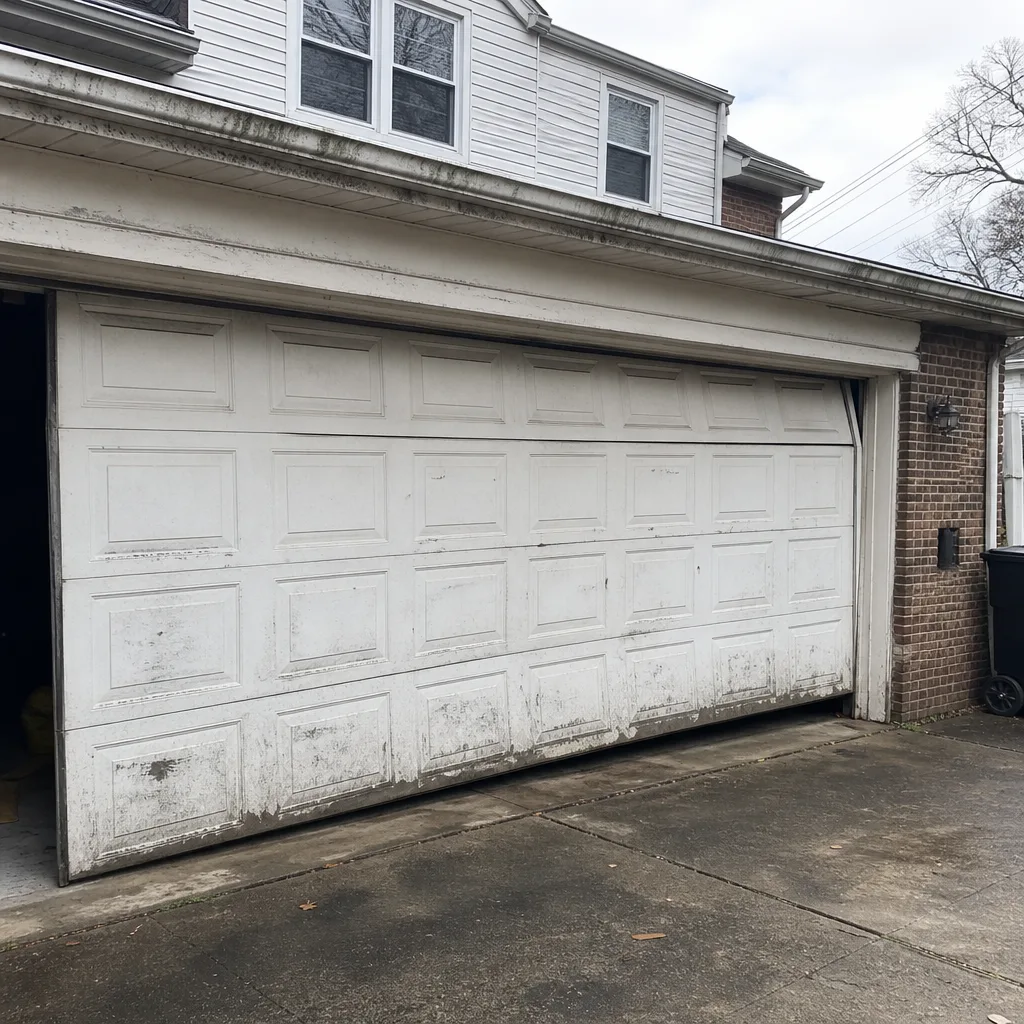 Before
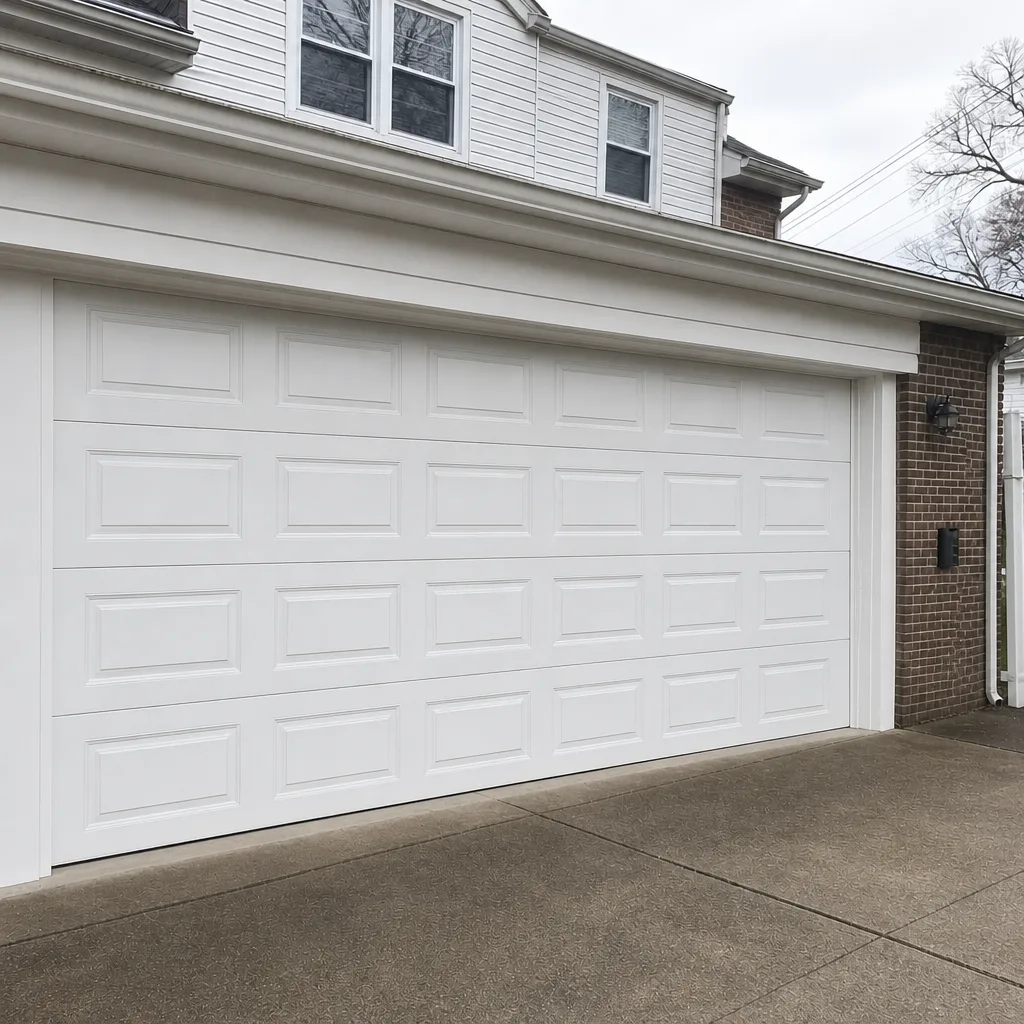 After
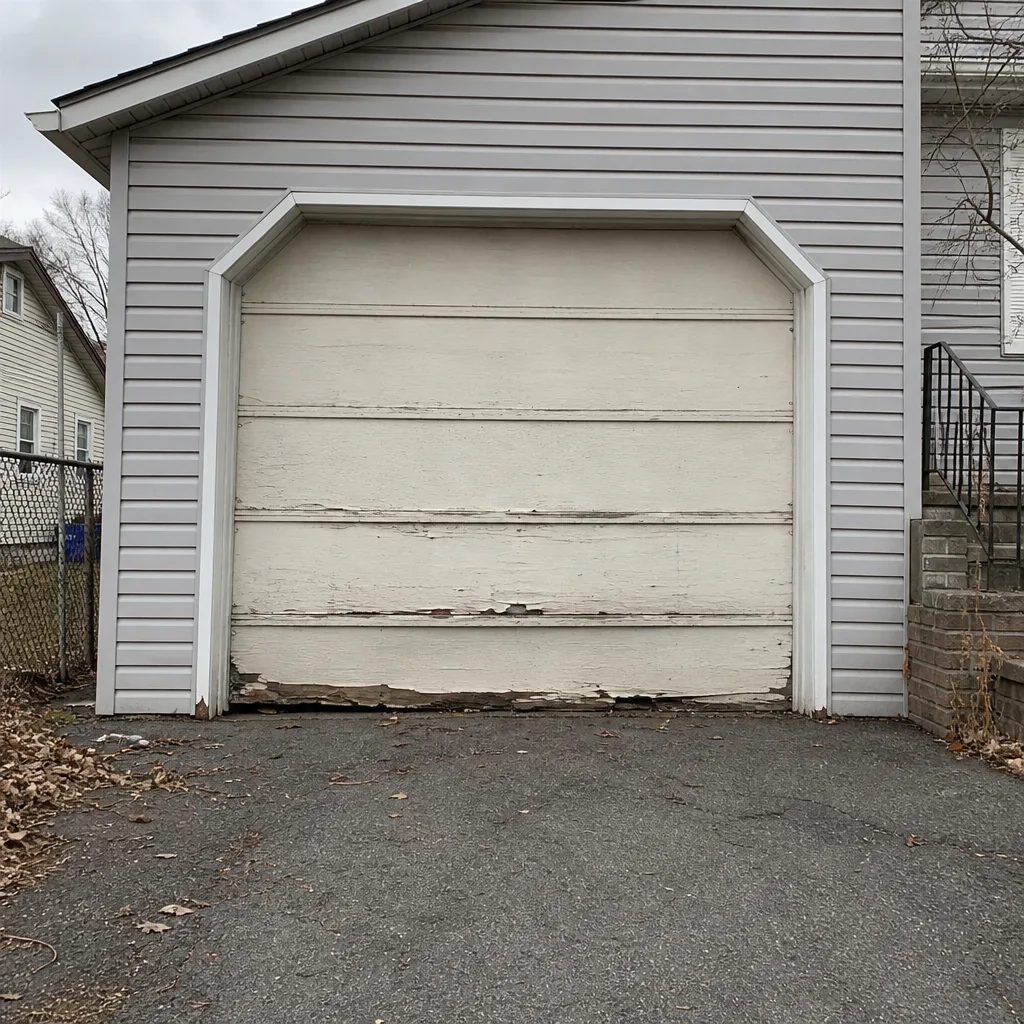 Before
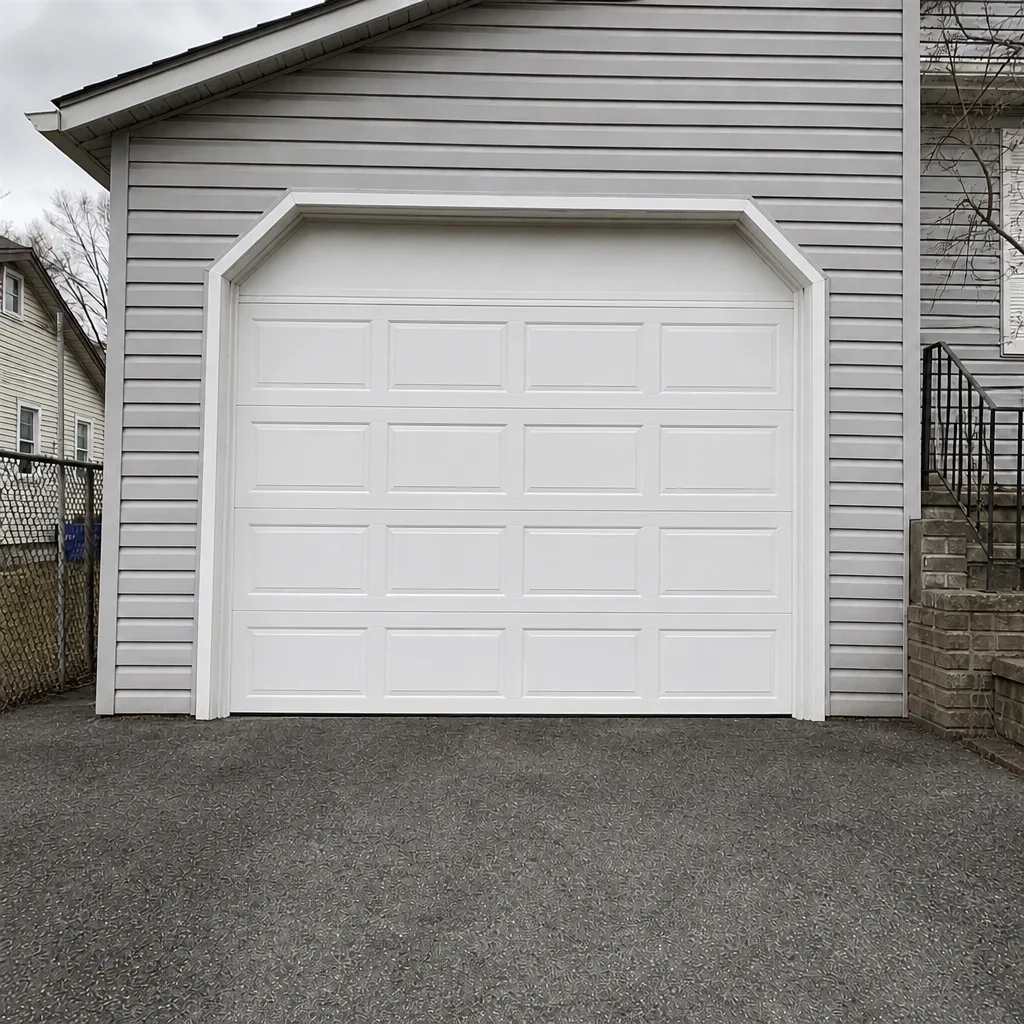 After
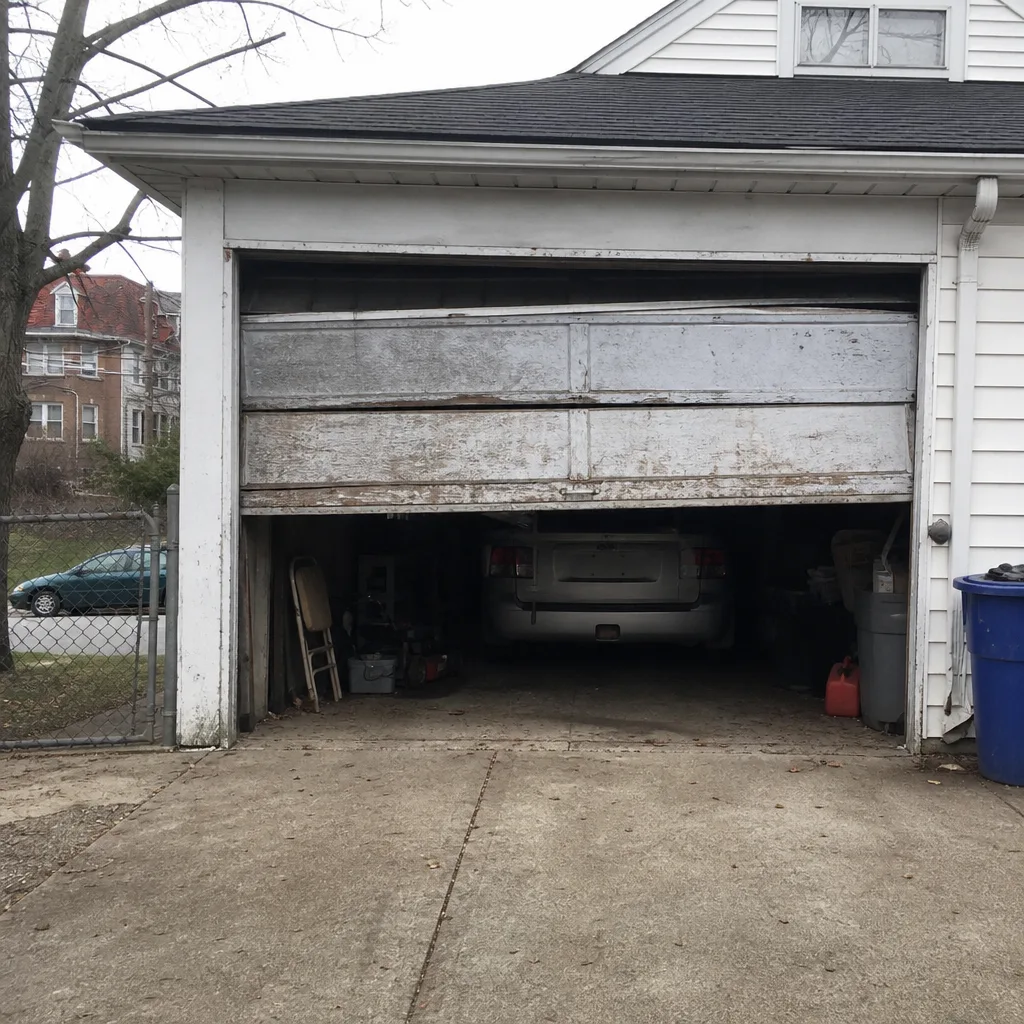 Before
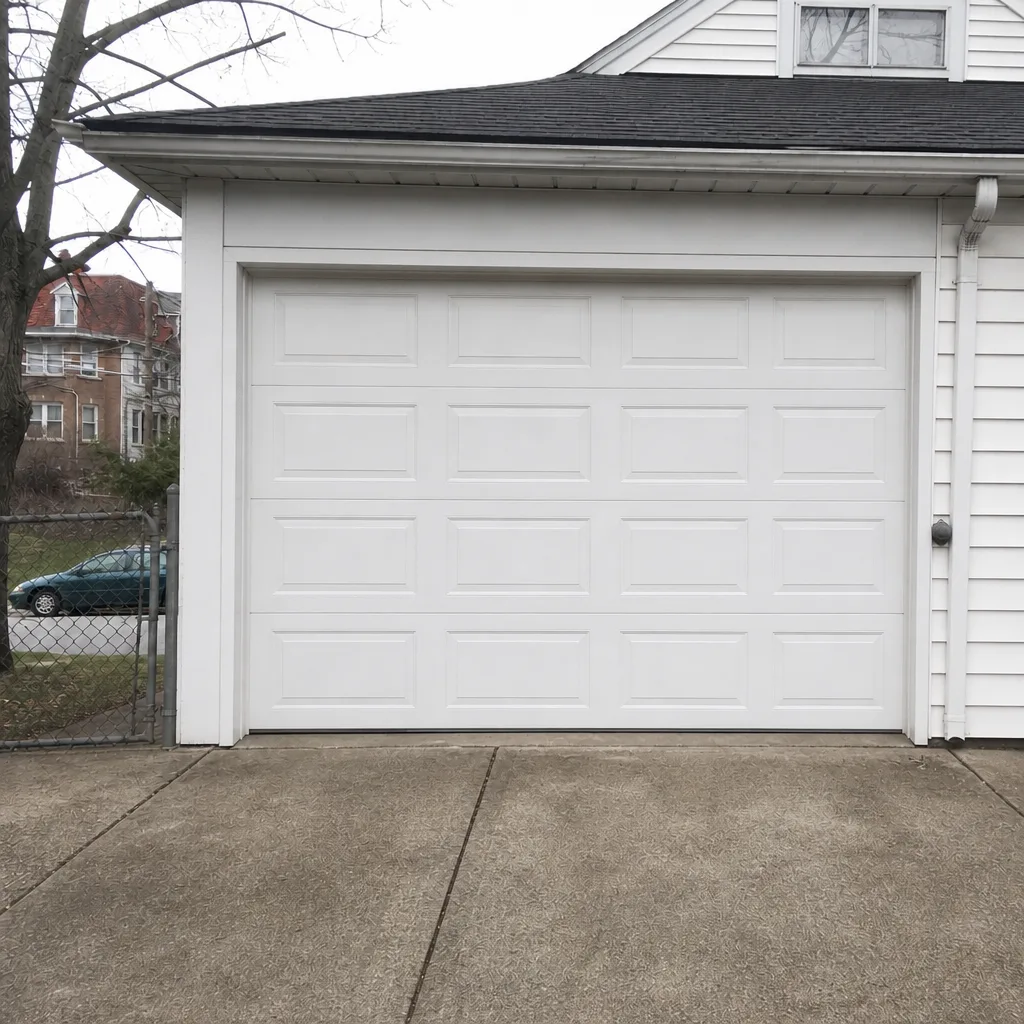 After
Frequently Asked Questions
For most Yonkers homes, a 24-gauge steel door from a fully authorized Clopay or Amarr dealer is the realistic choice, because it balances durability, warranty support, and panel availability for a Westchester winter. Clopay has the widest panel-availability advantage for a street-facing door. Amarr competes well on insulation value. The brand matters less than the dealer’s current authorization status, since that’s what keeps factory parts and warranty support available years later.
Yes, because Yonkers’ winter road salt lands on the lower panels of a street-facing door. A thicker 24-gauge skin resists small impacts and stays flat, while a thinner 25-gauge panel dents easily, and a dent gives salt and moisture a place to sit. A 24-gauge door with a hot-dipped galvanized base and a baked-on finish is what holds up best in Westchester conditions.
Yes, it can. Manufacturer warranties typically require installation by an authorized dealer, and a claim filed through a non-authorized install may be void for the panel or finish. The same process affects parts sourcing if a panel needs replacement in year five. Verify the dealer’s authorization on Clopay’s own dealer locator before you sign anything.
For an attached garage in Westchester, yes. When there’s a door between the garage and the house, the insulated door reduces heat loss into the home and keeps the door quieter. For a detached garage with no door into the house, R-12 rarely pays back on the energy bill. An R-6 door and the savings put toward thicker steel is usually the better buy there.
No, but both should come from a dealer authorized for their respective brands. LiftMaster and Chamberlain are the most common smart opener ecosystems in Yonkers, while legacy Genie and Craftsman units are common in older homes. An opener installed through a non-authorized channel complicates the warranty claim. Buy both through the same authorized install and the repair process stays simple.
No. A new door is measured, ordered, and scheduled, and we don’t promise same-day service for replacement work. What we can promise is a free measure and a written price before anything is ordered, so you know the gauge, insulation value, and warranty up front. For a repair on an existing door, that’s a different conversation: call (844) 443-4494. We answer 24/7. Fast dispatch from 7am to 7pm, Sunday through Friday.
The Bottom Line
Brand choice on a garage door in Yonkers comes down to three tests. Check the steel gauge (24-gauge beats 25 in Westchester road-salt conditions). Check whether the warranty is backed by the manufacturer and not voided by the installer. Check the dealer’s brand authorization on the manufacturer’s own dealer locator before you sign. Choose a dealer authorized for the door and opener brands, then match the panel style and insulation value to the actual garage and its exposure. Do that and the door brand becomes a straightforward answer rather than a sales decision. Garage doors are all we do, and we’ll put the gauge, insulation, and warranty in writing before you commit.
Call Yonkers Garage Door Repair Co at (844) 443-4494 for a free estimate. We answer 24/7. Fast dispatch from 7am to 7pm, Sunday through Friday.
Written by the team at Yonkers Garage Door Repair Co.