
Last updated November 21, 2026
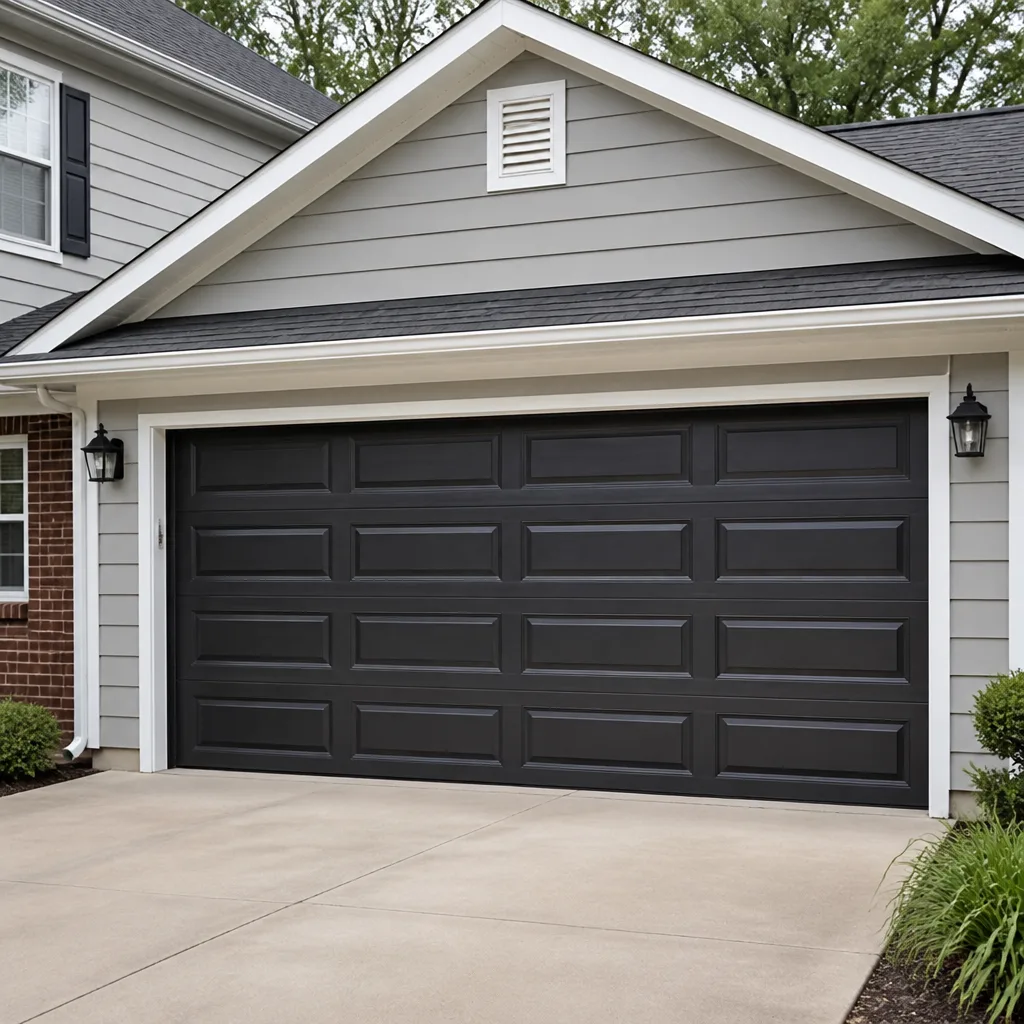 Raised-panel steel
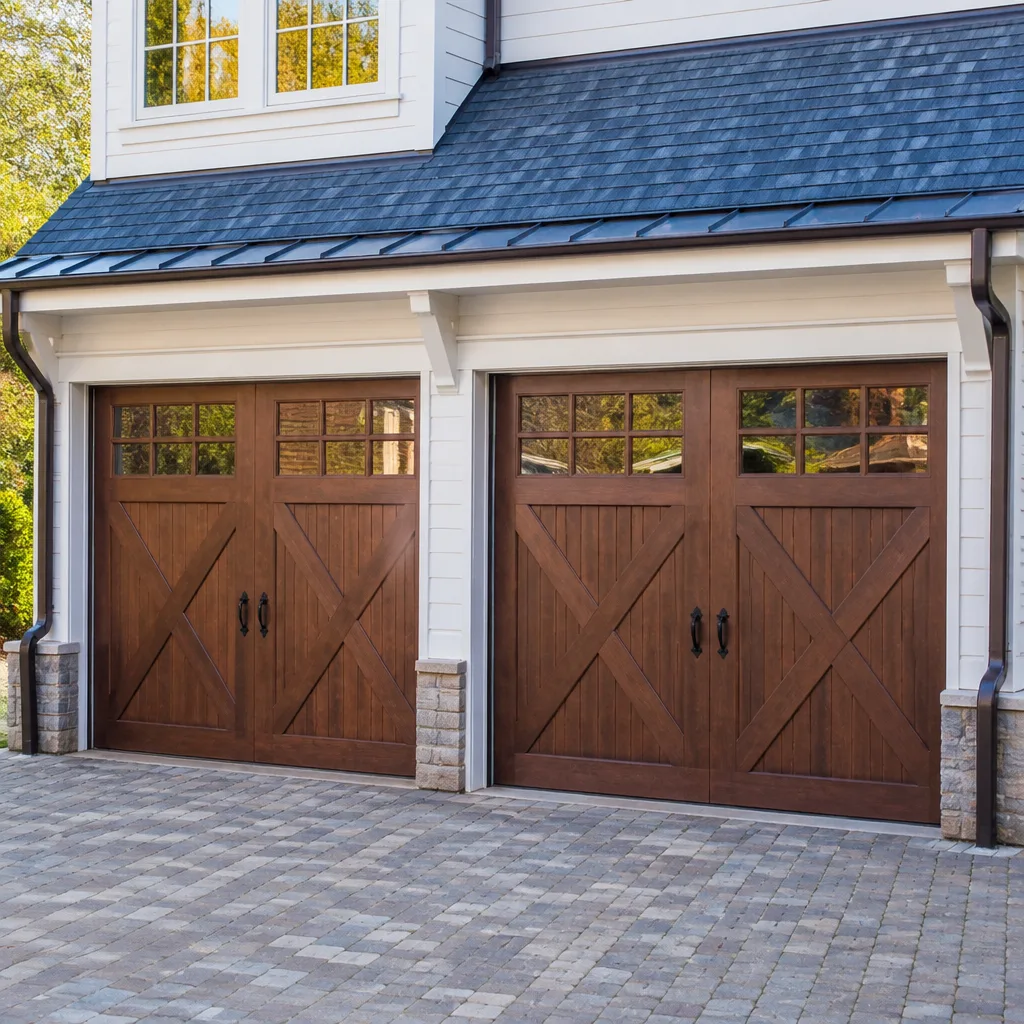 Carriage house
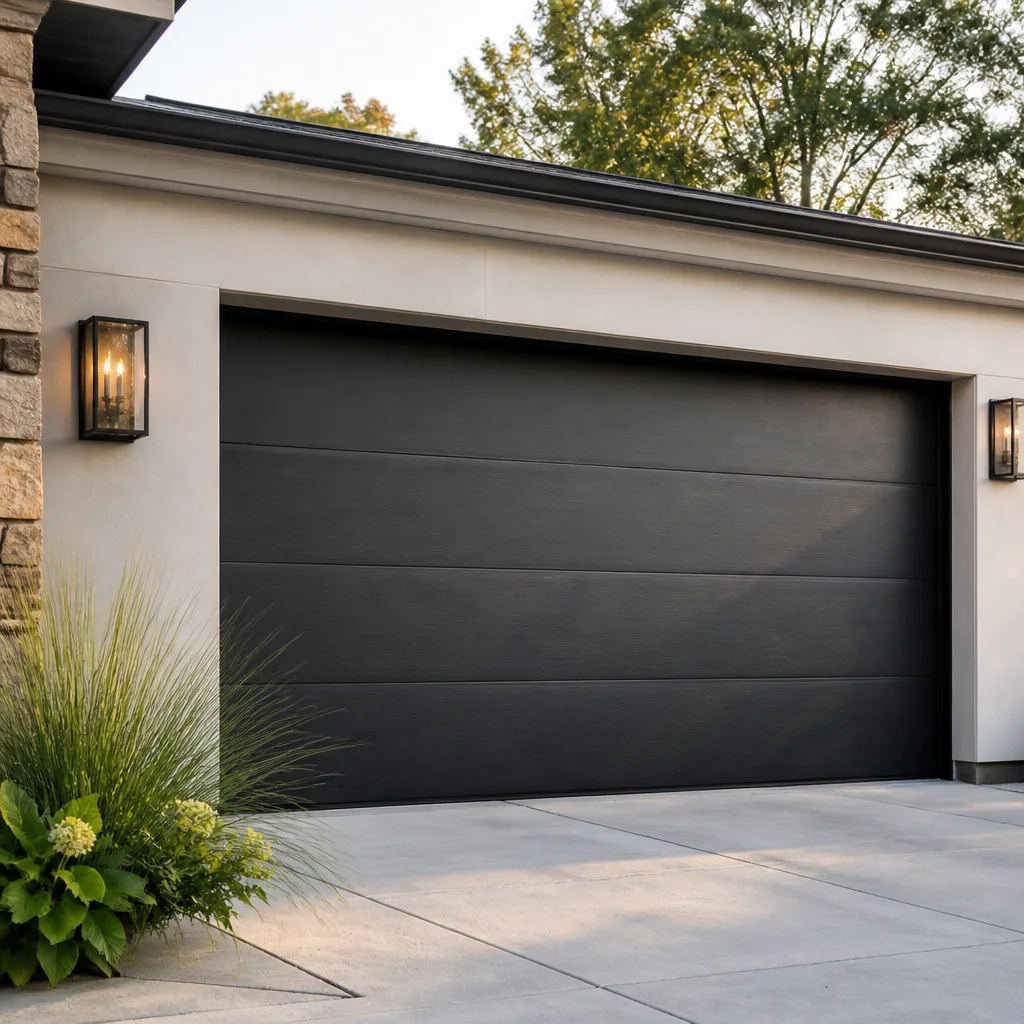 Modern flush
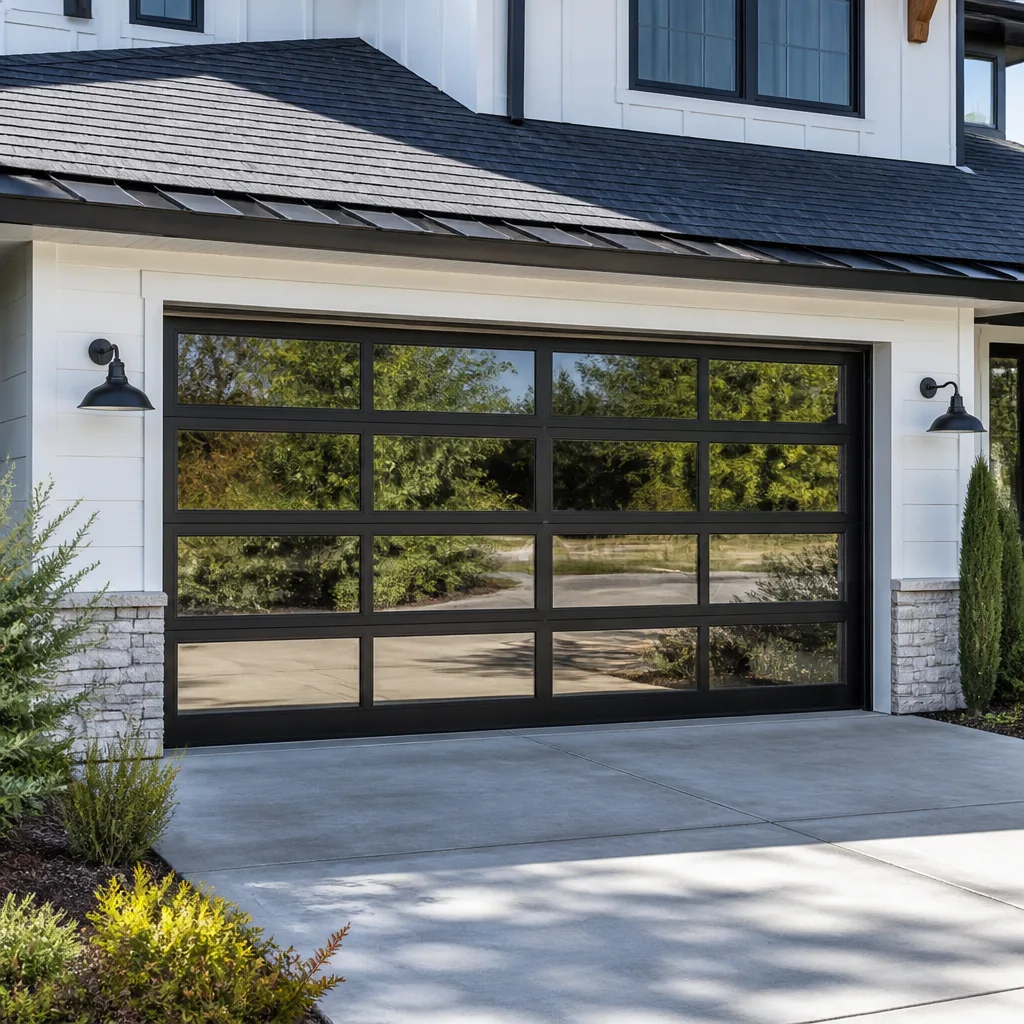 Full-view glass
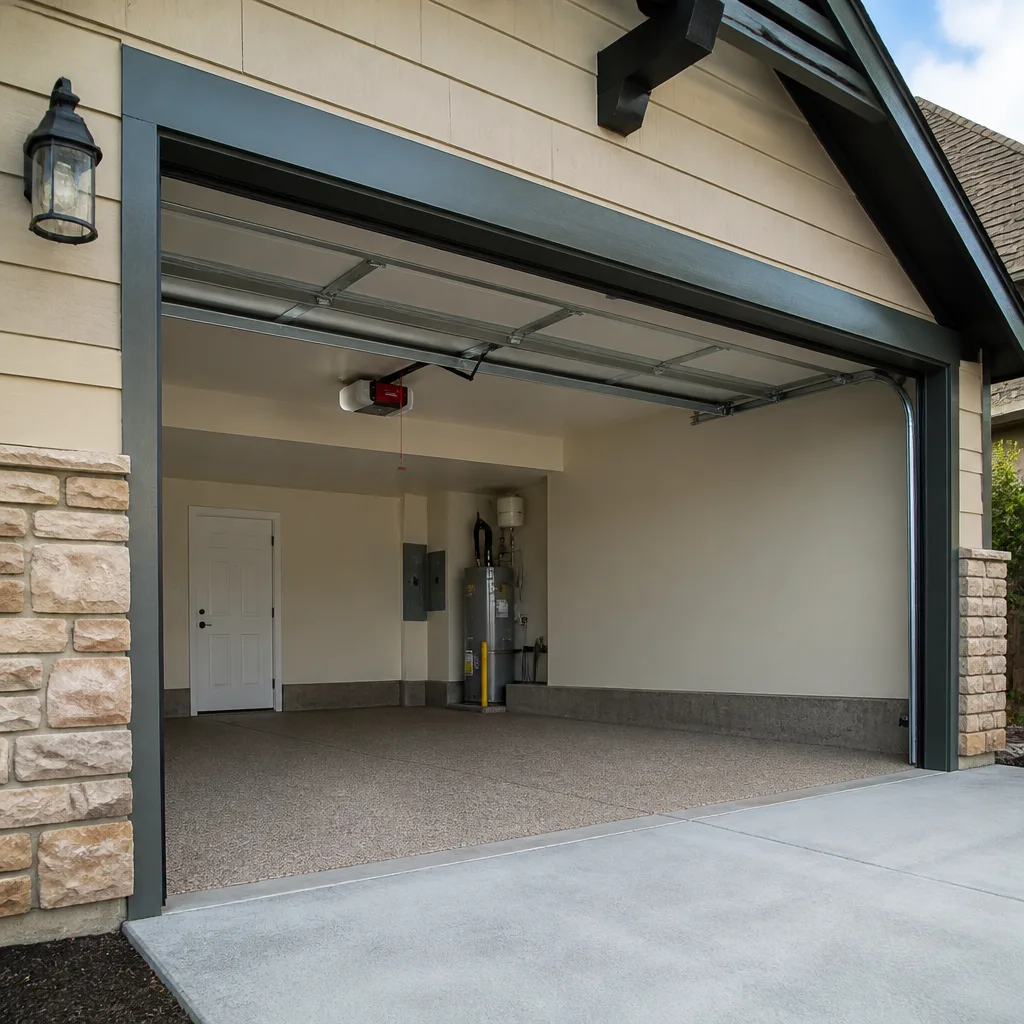 LiftMaster openers
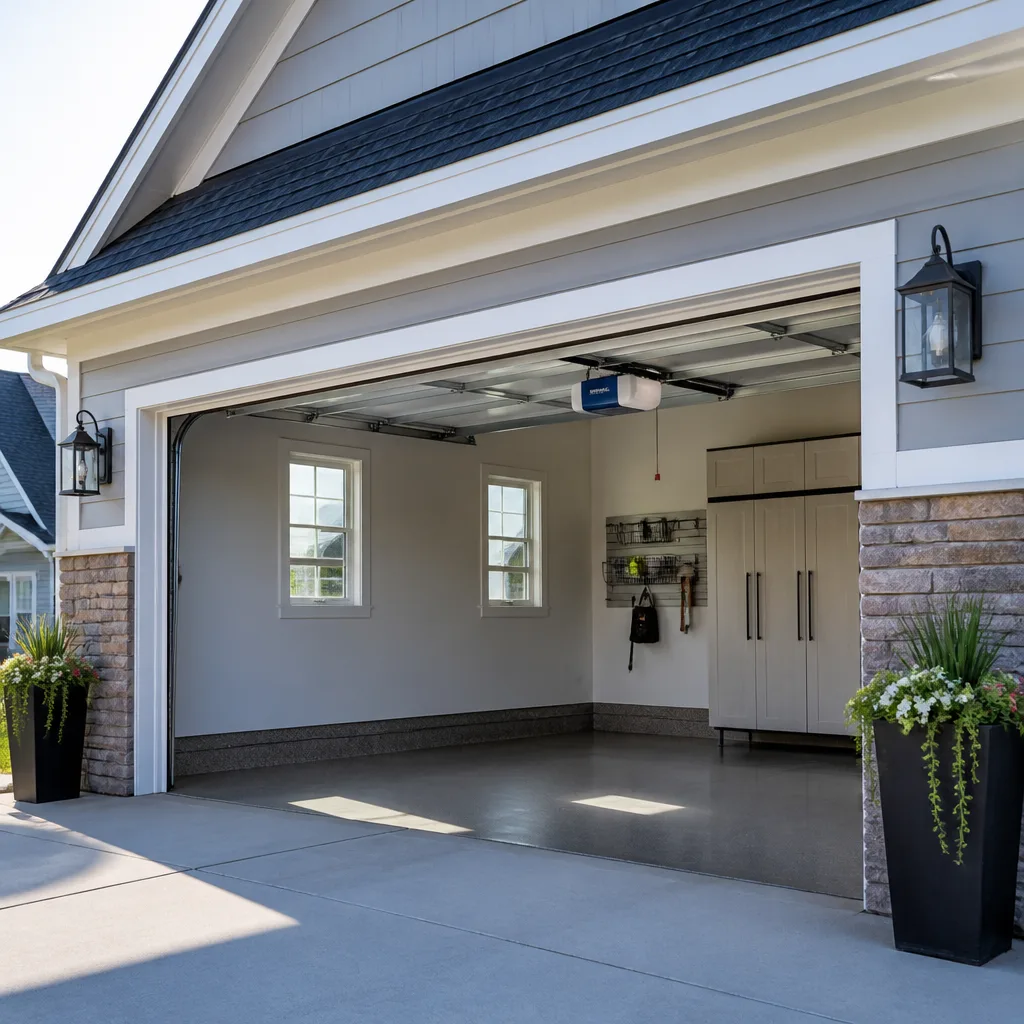 Chamberlain openers
Full 25-point door and opener safety check with every visit - springs, cables, rollers, tracks, and your LiftMaster or Chamberlain opener included
You get a price before we start. It does not change when the pro arrives.
Get your free estimateGarage Door Warning Signs: A Yonkers Homeowner’s Reference Guide
A door that shudders a little on the way down isn’t quirky. It’s a roller worn to metal-on-track contact that’s grinding away your track finish, and eventually that roller will jump the track entirely. The shudder is the door telling you exactly what’s wrong. Most homeowners in Yonkers hear that sound for months and file it under “that’s just how it’s always been.” Then a spring snaps, or a cable lets go, and what could have been a small repair becomes a much bigger one. This guide is about reading the door’s mechanical language: which sounds point to which components, which visual wear patterns predict failure, and how to tell cosmetic noise from structural deterioration.
Quick Answer
The main garage door warning signs are unusual sounds (grinding, popping, squealing, banging), visible wear (frayed cables, flat-spotted rollers, cracked hinges), a door that no longer lifts smoothly by hand, and an opener that runs slower or labors. Any single one of these is worth a professional look. Two or more together means the door is actively deteriorating and you shouldn’t keep running it. In Yonkers, the freeze-thaw cycles and older brick-fascia garages add a few location-specific signs covered below.
Styles & brands we work with
- Raised-panel steel
- Carriage house
- Modern flush
- Full-view glass
- LiftMaster openers
- Chamberlain openers
Table of Contents
- The Sound Diagnostic Index
- Visual Wear Indicators, Component by Component
- The Manual Lift Test: How a Balanced Door Should Feel
- Opener Behavior Changes and What They Mean
- Warning Signs Specific to Older Yonkers Construction
- How Yonkers Weather Accelerates Wear
- What You Should Never Adjust Yourself
The Sound Diagnostic Index: What Each Noise Is Telling You
Your garage door is a mechanical assembly with a small number of moving parts, and each one fails in a characteristic way that produces a characteristic sound. If you can identify which sound you’re hearing, you can narrow the problem to a component before anyone even opens the door. Here’s how we map sound to hardware in the field.
Grinding
Grinding is metal-on-metal contact, and it almost always comes from one of three places. Worn steel rollers with flat spots grinding along the track. Tracks that have bent out of alignment so the roller’s edge is chafing the rail. Or torsion springs that have lost their lubrication and are rubbing against themselves. Grinding that gets louder as the door rises points to rollers or track. Grinding that’s concentrated near the top of the door points to springs.
Popping
A sharp pop, especially when the door first starts to move, is usually a torsion spring or the cable drum shifting under load. A single pop at the start of travel can indicate a spring that’s beginning to wind unevenly. Repeated popping as the door opens suggests a cable that’s slipping in its drum. Both need inspection, since a failing torsion spring or cable is the highest-risk failure on the whole door.
Squealing
Squealing is friction, and it’s usually the least urgent of the four sounds. Common sources are dry hinges, dry rollers, and a torsion tube that needs lubrication at its bearing plates. Squealing that appears only in cold weather and disappears once the door has run a few times often means the lubricant is thick in the cold. If lubrication doesn’t quiet it, the hinges or bearing plates may be worn.
Banging
A bang at the end of travel, or a heavy thud when the door opens or closes, is usually an opener limit that’s set too far, letting the door slam into its stops. It can also be a door that’s out of balance and dropping under its own weight. Banging is worth addressing promptly because every impact adds stress to the panels, hinges, and opener gear.
Visual Wear Indicators, Component by Component
Sound tells you where to look. Visual wear tells you how far gone the part is. Walk around your door with a flashlight once a season and check these specific things.
Cables
Look at the cables running from the bottom corners up to the drums at the top of the door. A healthy cable is straight and tight, with a clean, even coil. A cable that’s fraying will show broken strands near the drum or the bottom bracket, and it will start to look fuzzy or “hairy.” Even one broken strand means the cable has lost part of its load capacity and should be replaced. Cables that have jumped the drum, or are visibly slack on one side, are a stop-using-the-door situation.
Rollers
Look at the rollers where they meet the track. A worn roller develops a flat spot on its nylon or steel wheel, which is what produces the shudder mentioned at the top of this guide. You can spot it by watching the door in motion: if the door jerks at a regular interval, one or more rollers is flat-spotted. Steel rollers that have worn through to the bearing are a bigger problem than nylon, since they grind the track as they go.
Hinges
Check the hinges where each panel meets the one above or below it. Cracks usually start at the screw holes and run outward. A cracked hinge is a weak point that puts extra load on the adjacent hinges, so one crack tends to lead to more. Hinges on older doors that were never lubricated are the most likely to crack.
Springs
Torsion springs across the top of the door and extension springs along the sides are where the highest risk lives. Look for visible gaps in the coil, rust that’s concentrated on one section, or a spring that looks stretched compared to the one beside it. A spring that’s broken cleanly in two is obvious. A spring that’s about to fail often shows a slight gap or a section that’s lost tension, and it may only be visible when the door is fully closed.
The Manual Lift Test: How a Balanced Door Should Feel
This is the single most useful check a homeowner can do, and it tells you more about spring condition than any visual inspection. Before you do it, disconnect the opener (there’s a pull cord on the trolley) so you’re lifting the door by hand, not the motor. Then follow these steps.
- With the door closed, pull the opener release cord to disconnect the trolley.
- Lift the door slowly by hand to about halfway open.
- Stop at exactly mid-height and let go. The door should stay in place. A well-balanced door holds at mid-height with no help.
- If the door wants to fall, your springs have lost tension.
- If the door wants to rise on its own, the springs are over-tensioned or the door’s weight has changed (for example, after a panel has been replaced with a heavier one).
Deviation in either direction is a spring-balance problem. A door that falls is the more concerning of the two, since it means the springs aren’t holding the door’s weight and the opener is doing all the lifting. That shortens the opener’s life and puts the whole assembly under strain. Reconnect the opener when you’re done and don’t run the door repeatedly while it’s clearly out of balance.
Opener Behavior Changes and What They Mean
When an opener starts acting differently, the cause can be in the opener unit itself or in the door hardware it’s pushing. Here’s how to tell which.
Slower or labored reversal
If the door reverses slowly or hesitates at the bottom, check the safety sensors first (a misaligned sensor causes the opener to reverse as a safety measure). If the sensors are clean and aligned, the door itself may be binding. Run the manual lift test: if the door is hard to lift by hand, the opener is struggling against a door problem, not failing on its own.
Labored hum with no movement
A hum with no movement is usually the opener’s motor trying to move a door that’s stuck. Disconnect the door and test the opener alone. If it runs freely with the door disconnected, the problem is in the door hardware. If it still hums, the opener’s gear or capacitor may have failed.
Random stopping or reversing mid-travel
Random stopping mid-travel often traces to a limit switch that’s drifted, worn safety sensors, or a logic board issue. On LiftMaster and Chamberlain units (including the myQ ecosystem), this can also be a symptom of a wireless interference problem or a failing battery in a remote that’s sending erratic signals.
Erratic remote or keypad behavior
A remote that works intermittently, or a keypad that only responds up close, usually points to the remote battery, a worn receiver in the opener, or interference from an LED bulb in the opener’s light socket. On Genie and legacy Craftsman systems, the receiver antenna can also be the culprit. If a new battery doesn’t fix it, the receiver is the next thing to check.
Warning Signs Specific to Older Yonkers Construction
Yonkers has a lot of older housing stock, and garages in these homes have failure modes you won’t see in newer construction. Two are worth checking every year.
Brick fascia separation around the header. Many older Yonkers garages have brick fascias above the garage door opening. The header is the beam that carries the load over the opening, and if the brick above it starts to pull away from the lintel or the fascia, you’ll see a widening mortar joint or a visible gap. That’s a structural issue, not a garage door issue, and it should be looked at by a mason or structural professional rather than treated as a door problem.
Concrete stoop heaving affecting the threshold seal. Yonkers gets hard freezes and repeated thaw cycles through the winter. Concrete stoops and aprons in front of the garage door can heave slightly with each freeze, and over a few seasons the threshold seal at the bottom of the door stops sitting flush. You’ll spot this when the door closes but a thin line of daylight shows under the bottom seal, or when the seal is visibly compressed on one side and not the other. It’s cosmetic at first, but water can get under the door and contribute to further deterioration.
How Yonkers Weather Accelerates Wear
Garage doors in Yonkers live through real seasonal swings, and the parts that wear fastest are the ones most exposed to the freeze-thaw cycle. Winter brings temperatures that drop well below freezing and then thaw, sometimes within days. Every freeze-thaw cycle puts stress on the door’s bottom seal, the concrete apron in front of it, and the metal components that expand and contract with temperature. Lubricants thicken in the cold, which is why a door that’s quiet in summer can squeal in January.
Spring brings rain, and that rain finds every gap in the door’s weatherstripping. A door with a worn bottom seal will let water wick into the bottom panel. Over time that contributes to rust on steel doors and finish breakdown on wood ones. Summer heat expands the door panels slightly, which can make a door that ran quietly in spring start to drag on its track. Fall is the best time to check rollers and hinges before the cold sets in.
If your door has Raynor, Clopay, or Amarr steel panels, the finish is designed to hold up to these cycles, but only if the bottom seal and the threshold are keeping water out. That’s why checking the bottom seal is one of the highest-value seasonal checks you can do in Yonkers.
What You Should Never Adjust Yourself
Most of this guide is about inspection, which is safe. But there are specific adjustments that should only be made by a trained professional. We’re naming them because a homeowner should know where the line is.
Torsion springs and cables. Torsion springs are under enormous tension even when the door is closed, and the cables that run from the bottom corners to the drums are under constant load. Adjusting, removing, or replacing either one without the right tools and training can cause serious injury. If you suspect a spring or cable issue, stop using the door and call a professional.
Opener travel limits on a binding door. Adjusting the opener’s travel limits while the door is binding is a way to hide a bigger problem. The door will still be out of balance, and the opener will keep forcing it through each cycle until something fails. Fix the door first, then adjust the opener.
Rewinding spring tension to “tighten” a sagging door. This is the most common dangerous self-fix we hear about. It looks simple and it isn’t. Spring tension is set against the door’s weight, and getting it wrong turns a small wear issue into a much bigger repair, or worse. For garage door repair in Yonkers, have a trained technician handle spring tensioning and cable work.
Common Mistakes to Avoid
- Treating a shudder as normal. A door that shudders on the way down is telling you a roller is flat-spotted. Ignoring it wears the track and eventually causes a derailment, which is a much bigger repair than a roller swap.
- Lubricating without cleaning. Spraying lubricant on top of grit and rust traps the grit against the moving part. Wipe the surface clean first, then lubricate.
- Hiding a binding door with opener limit adjustments. Raising the opener’s force setting to push through a sticky door masks the problem and strains the opener’s gear and motor. Fix the binding at the door, not the opener.
- Assuming a new opener is the answer to every problem. If the door is out of balance, a new LiftMaster or Chamberlain unit will wear out faster than the old one because it’s fighting the same imbalance.
- Skipping the bottom seal in Yonkers. Freeze-thaw and rain work together to wear this seal faster than most homeowners expect. Check it each fall before the first hard freeze.
- Ignoring one isolated pop from a torsion spring. A single pop can be the first sign of a spring that’s about to fail. An inspection is cheap compared to a spring replacement done under load after it snaps.
- Doing a manual lift test with the opener connected. Always pull the release cord first. Testing with the opener engaged tells you nothing about door balance and can damage the opener.
See the difference
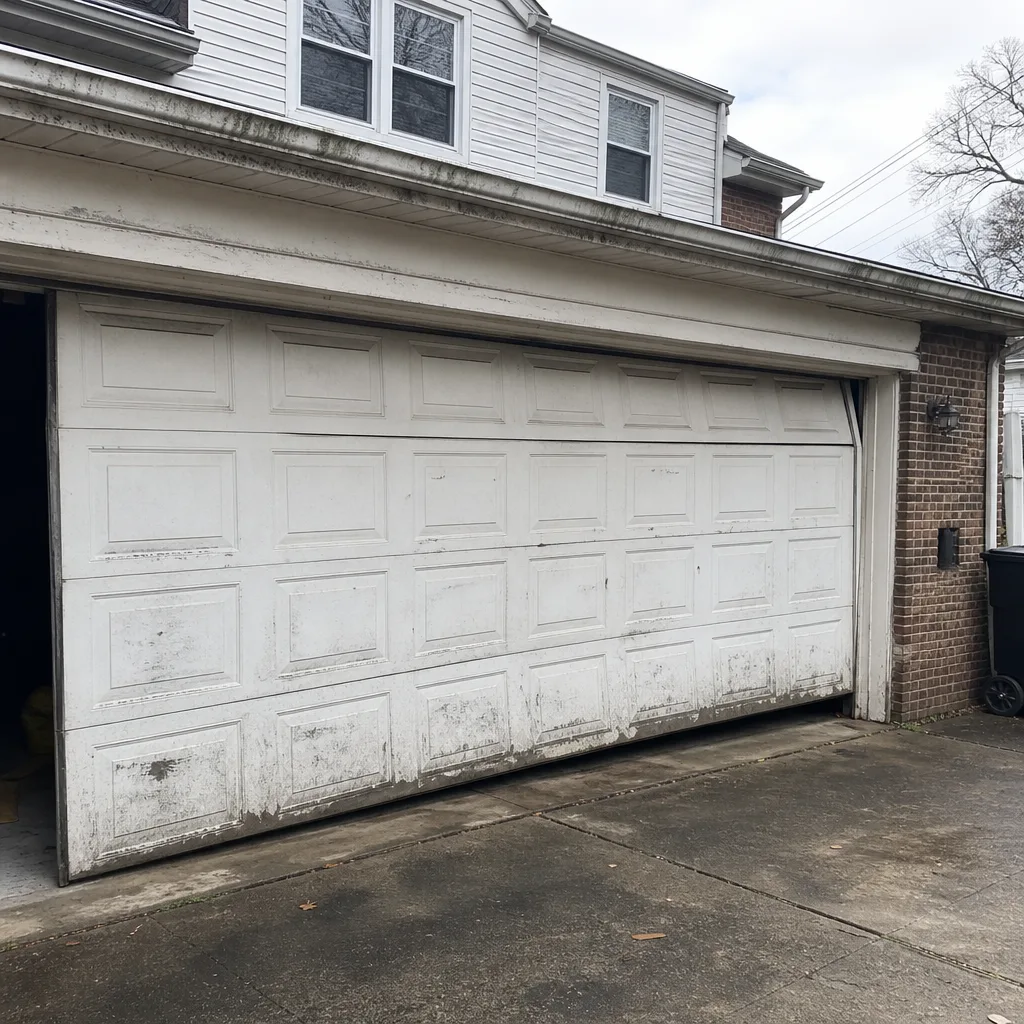 Before
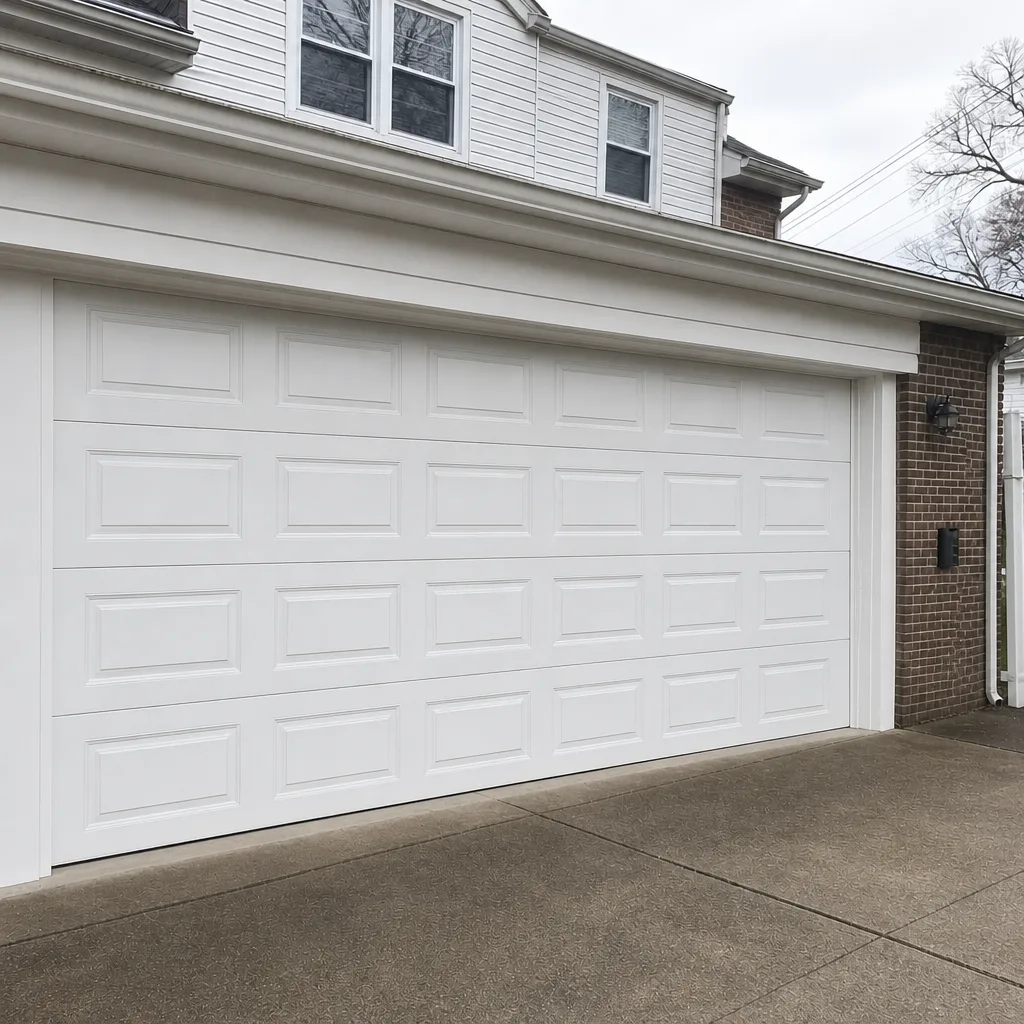 After
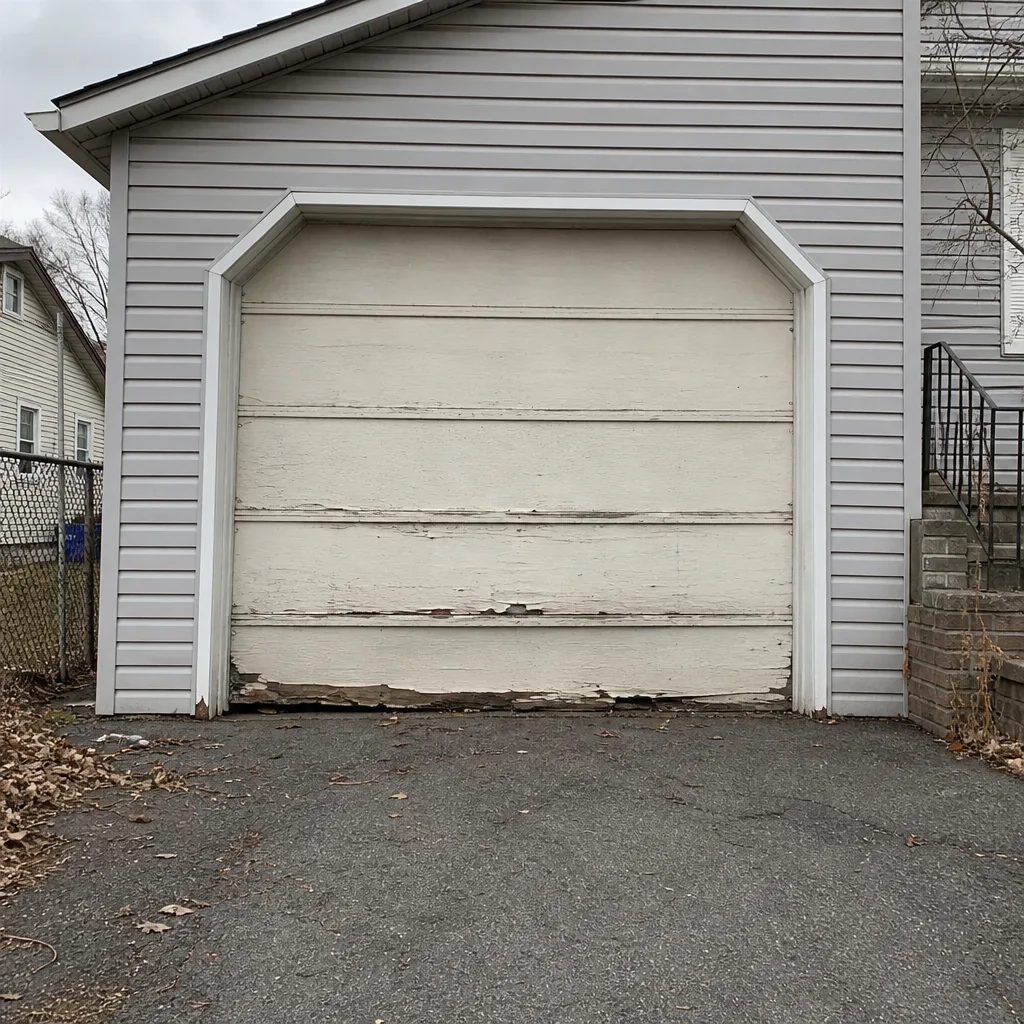 Before
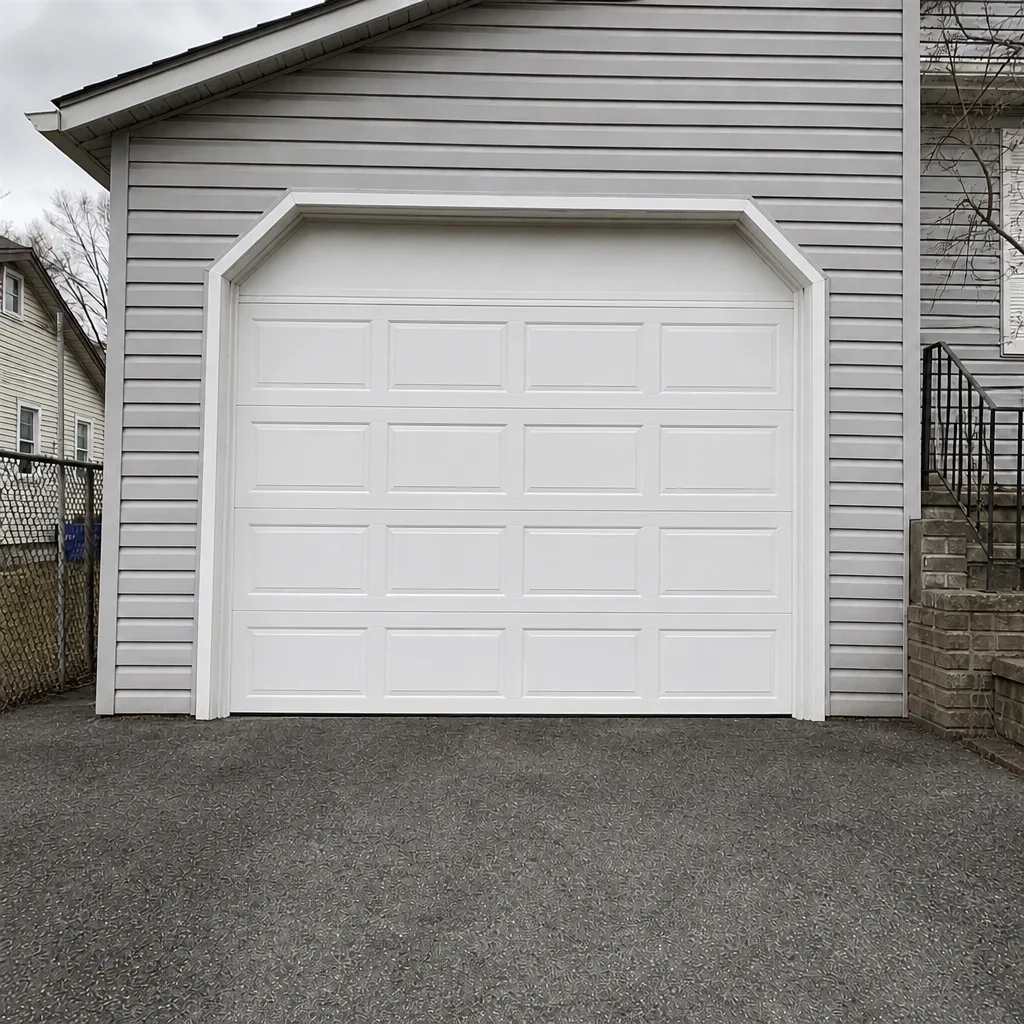 After
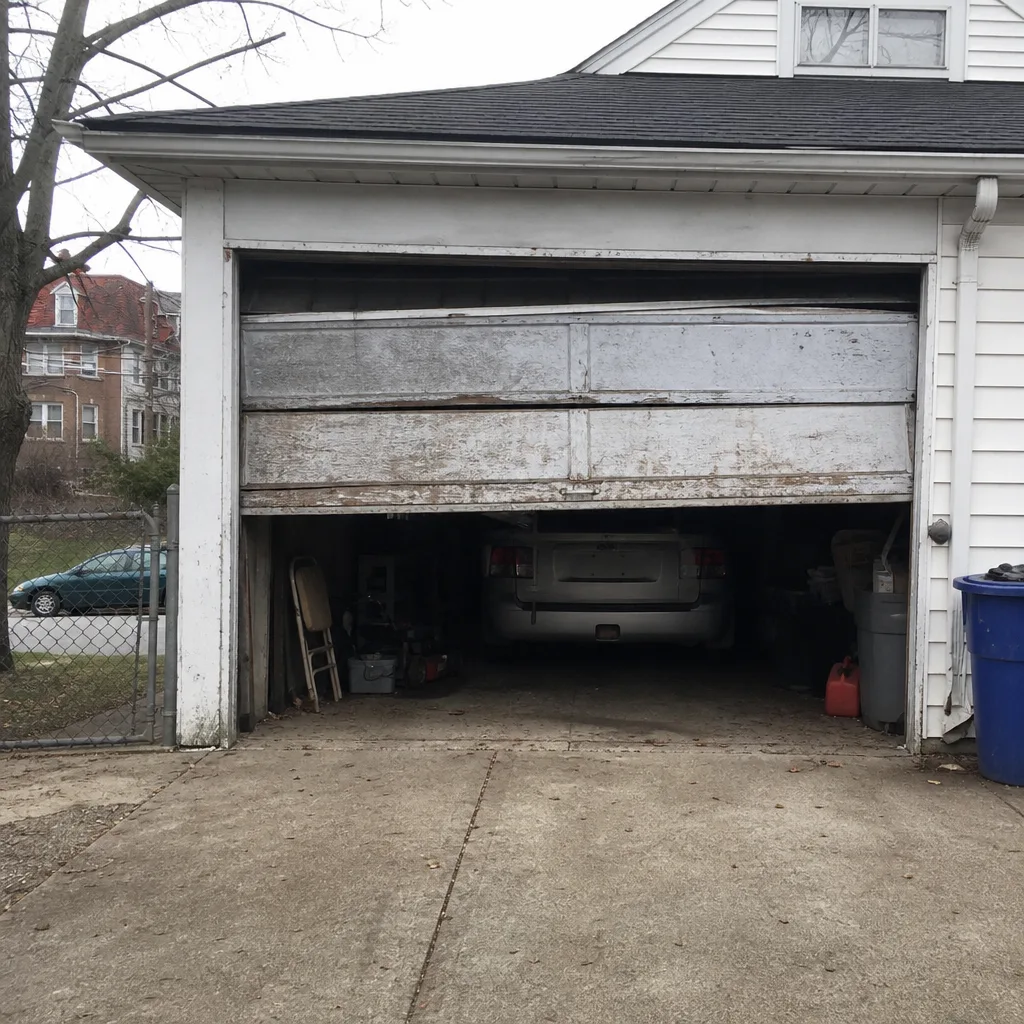 Before
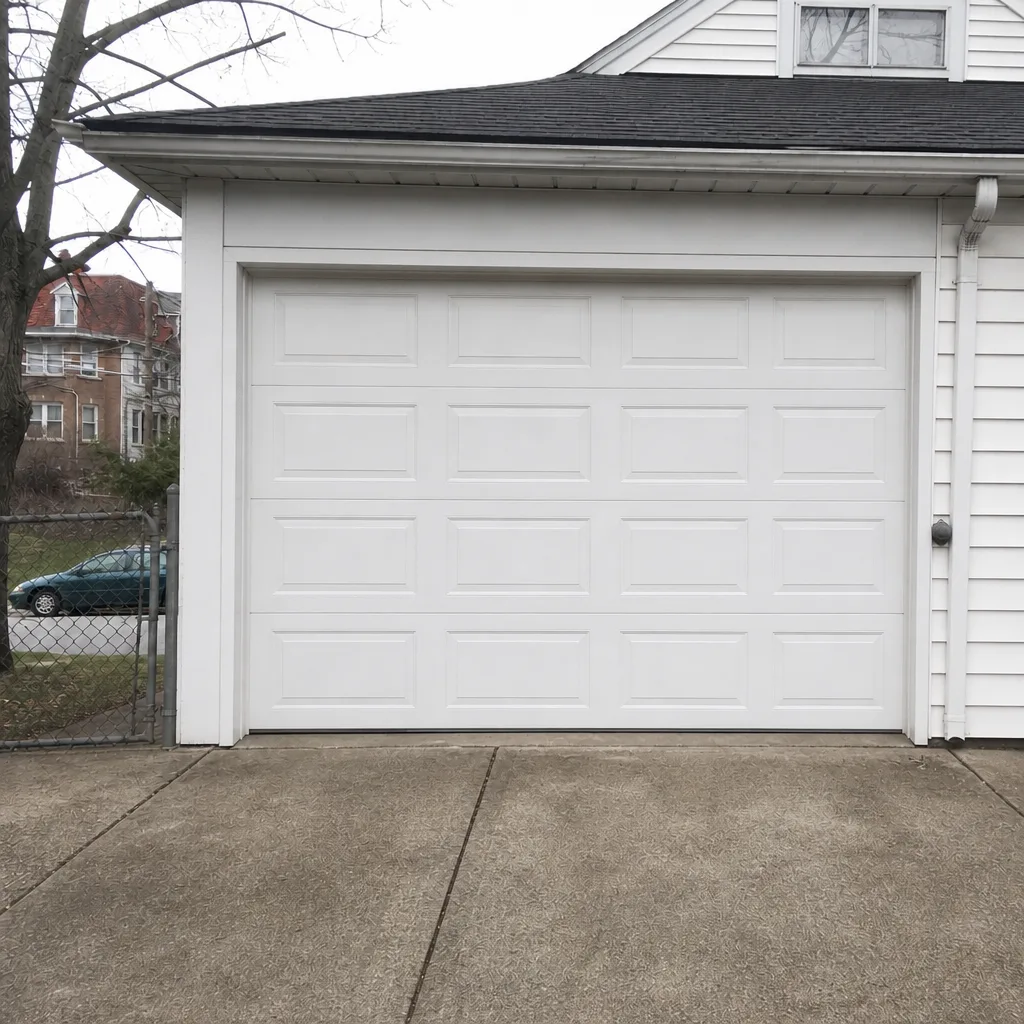 After
When to Call a Professional
Some warning signs are worth scheduling a look. Others mean stop using the door. Call a professional right away if you see a broken torsion spring, a cable that’s jumped its drum, a door that won’t stay at mid-height during the manual lift test, or anything that looks like brick fascia separation. These are the situations where running the door risks real damage or injury. For the softer signs, such as a squeal that won’t quiet down, grinding that grows louder, or an opener that’s behaving unpredictably, scheduling a diagnosis before the next failure is the smarter and cheaper move. Yonkers Garage Door Repair Co offers free estimates in Yonkers. Call (844) 443-4494. We answer 24/7. Fast dispatch from 7am to 7pm, Sunday through Friday. A call outside dispatch hours is booked into the next opening.
Frequently Asked Questions
The single most common warning sign we see is a door that shudders or jerks on the way down, which almost always means one or more worn rollers with flat spots. The second most common is a door that won’t stay at mid-height during the manual lift test, which points to weakening torsion springs. Call (844) 443-4494 for an exact quote. Estimates are free.
Garage door repair in Yonkers typically runs from $95 to $300 for a single worn component like a roller, hinge, or seal, while spring replacement typically runs from $180 to $340 for one spring. A matched pair is usually replaced together, so a pair costs about twice that. Opener repairs typically run from $120 to $250 for the opener unit itself. Every job is quoted before any work starts, and the written estimate sets the final price.
Same-day service is available for urgent failures like a snapped spring or a jumped cable. We answer 24/7. Fast dispatch from 7am to 7pm, Sunday through Friday. A call outside dispatch hours is booked into the next opening. Never run a door with a broken spring or a jumped cable. Call (844) 443-4494 for an exact quote.
A torsion spring that’s about to break usually shows a small gap in the coil, a stretched section, or rust concentrated on one spot, and it often causes the door to fail the manual lift test at mid-height. A single sharp pop when the door starts to move is another sign. If you see any of these, stop using the door and have a technician look at it. Spring repair is the highest-risk repair on the door and should never be done yourself. Call (844) 443-4494 for an exact quote.
The price is set by the written estimate, which is given before any work starts, so you’ll know what you’re paying before we touch anything. If the diagnosis turns up something different from what was described on the phone, that’s discussed and re-quoted before work begins. Call (844) 443-4494 for an exact quote. Estimates are free.
The local professionals we connect you with are licensed and insured as their state requires. Our technicians have up to 13 years of experience working on LiftMaster, Chamberlain, Genie, Raynor, and the other major brands. Call (844) 443-4494 for an exact quote.
The Bottom Line
Garage doors rarely fail without warning. They fail in sequence: a worn roller that shudders, a hinge that cracks, a spring that loses tension, a cable that frays. Each of those is a signal you can read if you know what to look for. Check your door once a season, listen to it, run the manual lift test, and watch for freeze-thaw wear on the bottom seal and threshold. Catch the warning signs and you replace a roller instead of a door. From spring to opener to the full door, we diagnose the actual hardware in your garage and fix it right the first time. Call (844) 443-4494 for a free estimate.
Written by the team at Yonkers Garage Door Repair Co.