
Last updated November 21, 2026
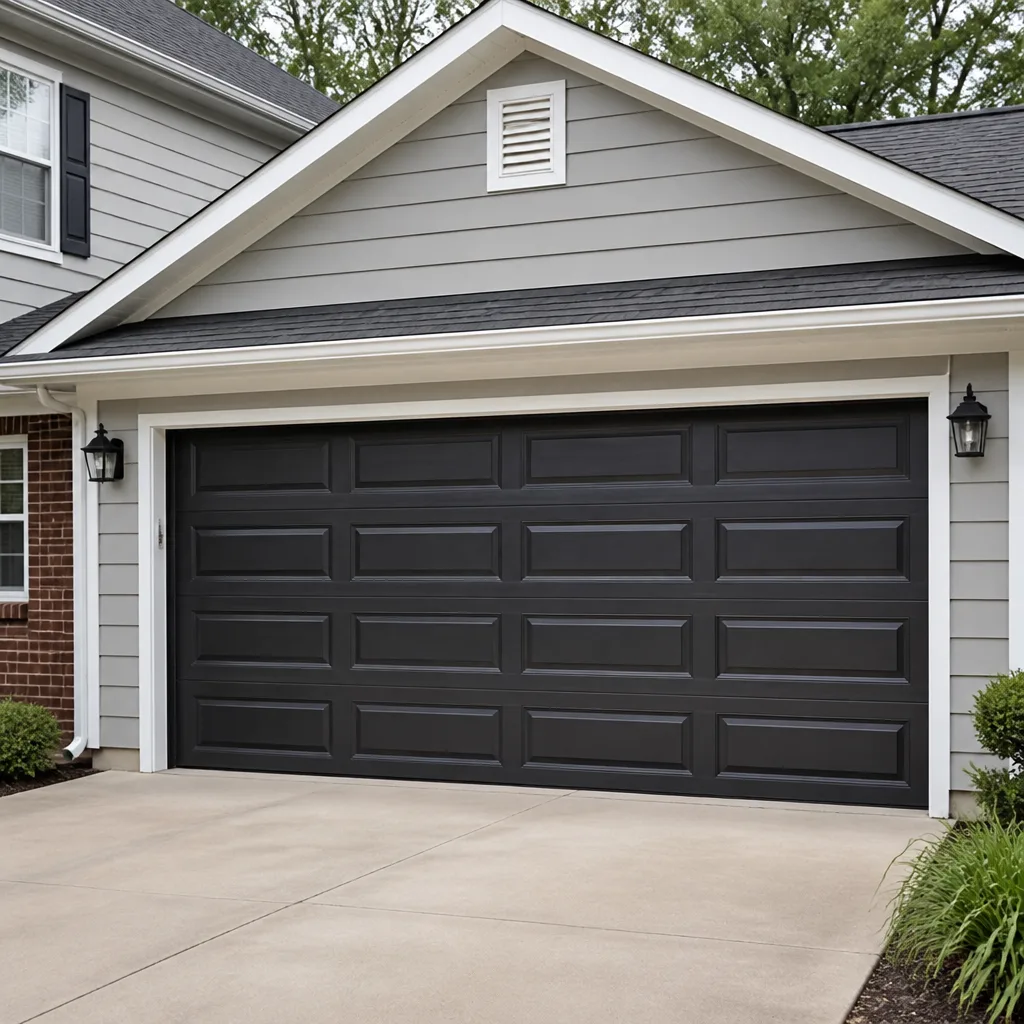 Raised-panel steel
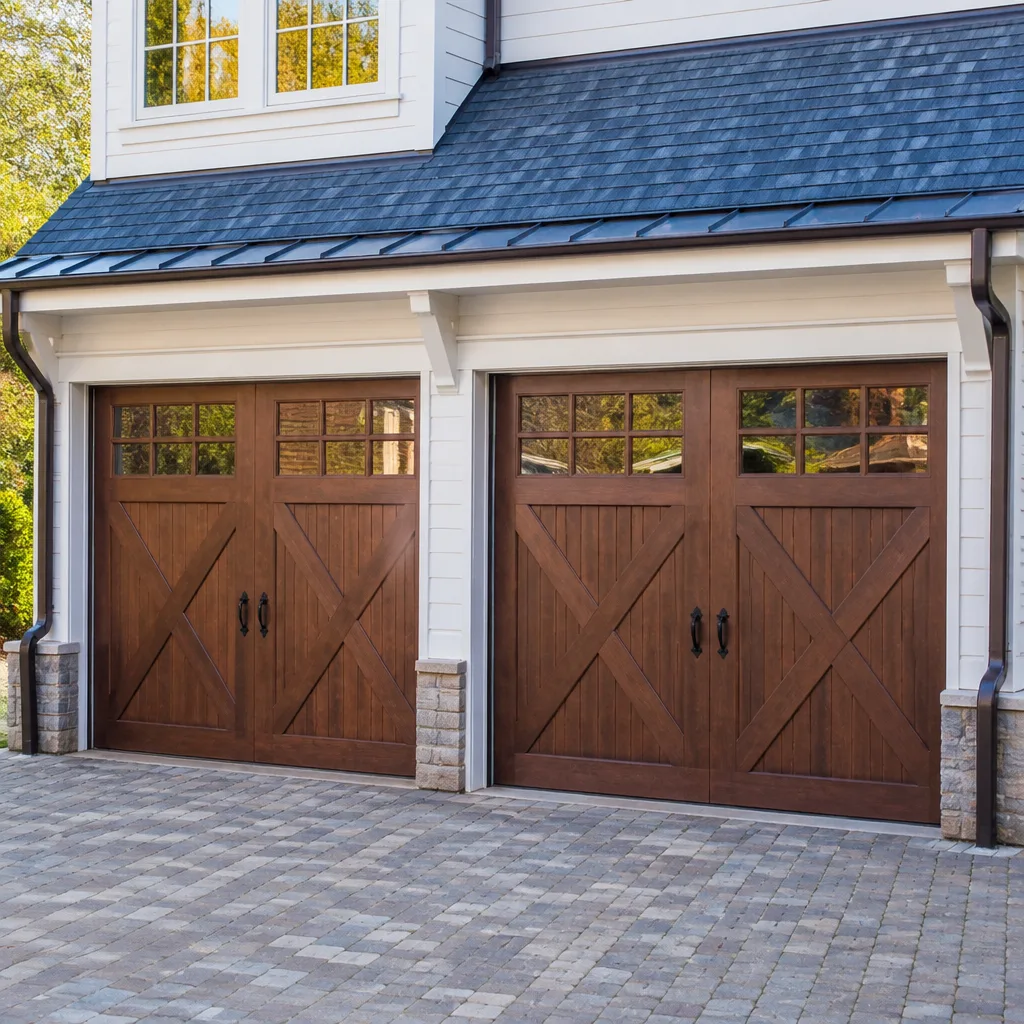 Carriage house
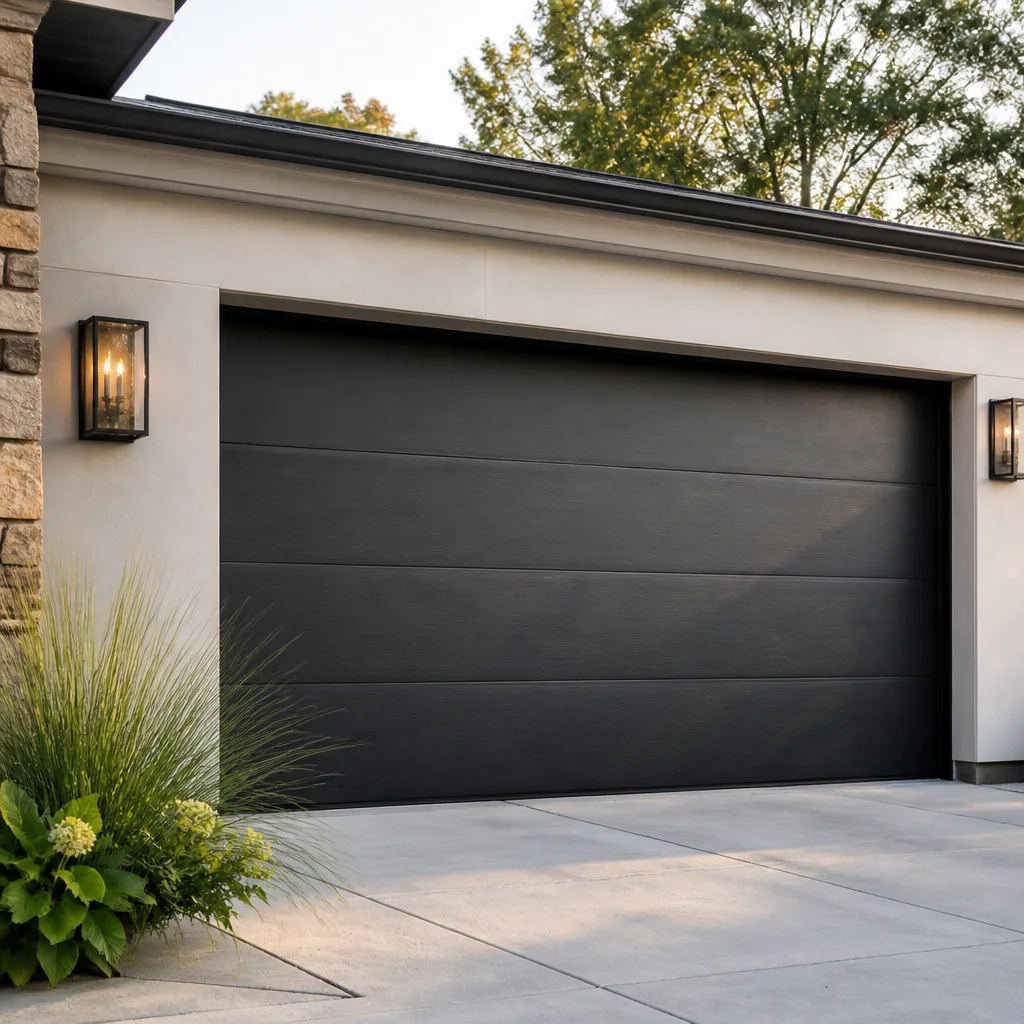 Modern flush
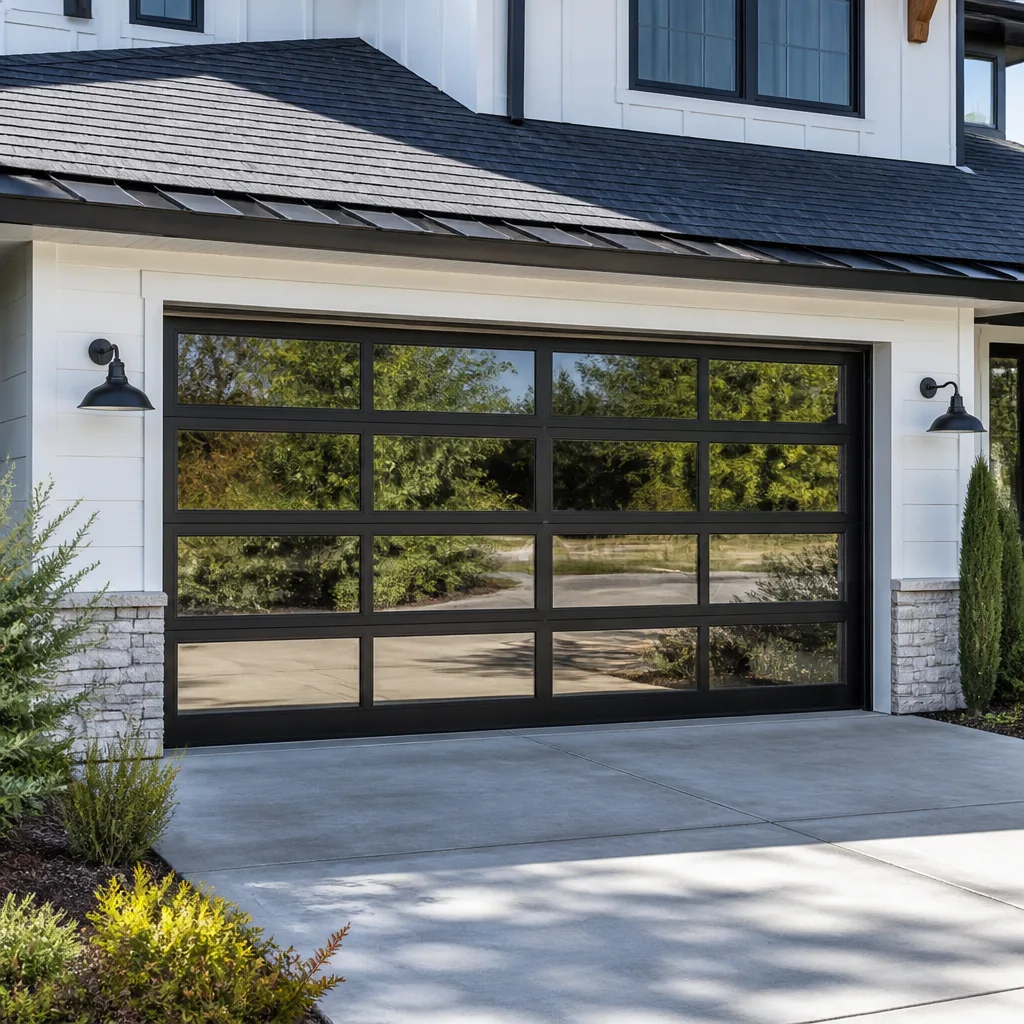 Full-view glass
 LiftMaster openers
 Chamberlain openers
Full 25-point door and opener safety check with every visit - springs, cables, rollers, tracks, and your LiftMaster or Chamberlain opener included
You get a price before we start. It does not change when the pro arrives.
Get your free estimateDIY vs Professional Garage Door: The Yonkers Homeowner’s Decision Guide
A torsion spring stores roughly 100 ft-lbs of torque when it’s wound. That number is the whole argument. The question in Yonkers isn’t whether you’re handy enough to swap one out. It’s whether you own the winding bars, know where the anchor points are, and understand what happens when a bar slips out of a winding cone under load. This guide doesn’t moralize about DIY. Plenty of garage door upkeep is genuinely homeowner-safe, and we’ll show you exactly which tasks those are. It draws the mechanical line instead: what you can touch, what you shouldn’t, and the reason each task falls where it does.
Quick Answer
Most garage door maintenance is safe for a careful homeowner: lubrication, safety-reverse testing, photo-eye alignment, remote programming, and visual inspections. Spring replacement, cable work, and any job that involves the door’s counterbalance system are professional-only, because those parts hold stored energy that can cause serious injury in a fraction of a second. The rule of thumb: if a task requires loosening, winding, or removing a component that holds the door’s weight, stop and call a trained technician.
Styles & brands we work with
- Raised-panel steel
- Carriage house
- Modern flush
- Full-view glass
- LiftMaster openers
- Chamberlain openers
Table of Contents
- Where the Mechanical Line Actually Falls
- Task-by-Task: Safe, Risky, and Professional-Only
- Why Torsion Springs Are Different From Every Other Tension Task
- What Yonkers Homeowners Can Legitimately Maintain Themselves
- The Liability and Insurance Question in New York State
- How to Tell a Transparent Technician From a Guarded One
- What’s Different About Garage Doors in Yonkers
- What Professional Work Typically Costs
Where the Mechanical Line Actually Falls
The DIY-versus-professional question gets framed as a personality trait. Are you a tinkerer or not? That framing misses the point. Garage doors are a mechanical system with two very different zones. One zone is user-serviceable. The other is a stored-energy zone that behaves more like a loaded spring trap than a home repair project.
Here’s the split in plain terms:
- User-serviceable zone: the opener’s settings, the safety sensors, the tracks (cleaning and light adjustment), the rollers, the hinges, the weather seal, and the remote or keypad.
- Stored-energy zone: the torsion spring, the extension springs, the cables, the drums, the bottom bracket, and the center bearing plate.
The second list shares one trait. Every component on it is either holding the door’s weight or transmitting the force of a wound spring. Loosen the wrong bolt on a bottom bracket and the cable can release with enough force to break a hand. Wind a torsion spring without the right bars and the cone can spin free. That’s not a skill question. It’s a physics question, and it’s why the classification below holds for every homeowner regardless of experience.
Age matters too. A door that’s been in place for a couple of decades has fasteners that may be seized, cables with hidden fraying, and springs that are already near the end of their cycle life. What looks like a simple swap on an old door is often a full counterbalance rebuild once a technician gets it open. We see this constantly on older homes throughout Yonkers, where a door that’s been quietly working for years suddenly lets go.
If you take one thing from this guide, take the line itself. Everything above the springs is mostly fair game for a careful homeowner. Everything that holds the door up is not.
Task-by-Task: Safe, Risky, and Professional-Only
This is the section most people come for, so here it is without hedging. The tasks below are sorted by the actual hazard involved, not by how hard they look. A photo-eye realignment looks fiddly and is completely safe. A cable replacement looks straightforward and can put you in the emergency room.
Category 1: Safe for homeowners
- Lubricating the springs, rollers, and hinges. A garage-door lubricant on the spring coils, roller stems, and hinge pivots keeps things quiet and reduces wear. No tools beyond a rag and the spray.
- Testing the safety reverse. Put a small block of wood on the floor and close the door. It should reverse on contact. Do this monthly.
- Aligning the photo-eye sensors. If the door won’t close and the opener light blinks, the sensors are usually out of line or dusty. Wipe the lenses and nudge the brackets until the indicator lights are solid.
- Programming remotes and keypads. Every modern opener has a learn button and a pairing routine. This is a manual-reading job, not a tools job.
- Adjusting opener force and travel limits. Small settings changes on the opener head are within reach, as long as you follow the manual for your specific model.
- Cleaning and lightly adjusting the tracks. Wiping debris out of the tracks and making sure the door runs smoothly is fine. Bending tracks back into shape is not – that moves into Category 3.
Category 2: Risky without experience
- Replacing rollers and hinges. Doable, but only with the door fully open and the tension off those specific components. Get the sequence wrong and a panel can drop.
- Replacing the bottom weather seal. Simple on most doors, but the bottom bracket lives right there, and that bracket is under cable tension. Never loosen the bracket bolts to make the seal fit easier.
- Straightening a bent track. A mallet and a block can work on a minor bend. Overcorrect and the door binds, which strains the opener and the springs.
Category 3: Professional-only
- Torsion spring replacement. Winding bars, anchor knowledge, and a healthy respect for release. This is the single most dangerous task on any garage door.
- Extension spring replacement. Same stored-energy problem, different geometry. The springs run along the horizontal tracks and are still under serious tension.
- Cable replacement. Cables are under hundreds of pounds of tension whenever the door is closed. A snapped cable whips.
- Bottom bracket and drum work. Both are cable-terminated. Neither is a homeowner part.
- Track replacement or realignment of the vertical tracks. These carry the door’s travel and need to be square to the frame.
- Header and frame repairs. Anything structural behind the door is a carpentry and load question, not a garage door question.
If a task isn’t on the first list, treat it as a professional job until a technician tells you otherwise. That’s not caution for its own sake. It’s the same classification our own technicians use when they diagnose a door.
Why Torsion Springs Are Different From Every Other Tension Task
Homeowners handle tension all the time. They stretch bungee cords, they tension a bicycle chain, they wind a hose reel. So why is a garage door spring in a different category? Three reasons, and each one is mechanical.
First, the amount of stored energy is enormous. A wound torsion spring holds roughly 100 ft-lbs of torque. That’s the force of a heavy wrench, loaded and waiting, sitting above your head. When a spring fails under load, it releases that energy instantly. There’s no gradual letdown.
Second, a torsion spring is wound against its own resistance. To install one, you wind it with steel bars inserted into the winding cones, applying turns in a set increments. Each bar placement is a controlled release. If a bar slips out of the cone while it’s loaded, the cone spins and the bar becomes a projectile. This is the specific failure that makes spring work professional-only, and it’s why trained technicians always keep two bars engaged.
Third, the spring’s job never stops. It’s cycling every time the door opens. Over years, that fatigue builds until the spring lets go – usually when the door is closed and the spring is under maximum tension. A failed spring doesn’t just stop the door. It leaves the door’s full weight on the opener and cables, which is why a door with a broken spring should never be forced open by hand or run with the opener.
That last point is worth repeating for anyone in Yonkers whose spring has just snapped. Don’t cycle the door. Don’t pull the manual release and try to lift it. The opener isn’t designed to lift dead weight, and the cables are suddenly carrying a load they weren’t balanced for. Call a specialist. This is exactly the kind of failure that garage door repair technicians handle as routine work, and it’s the one task where a wrong move at home has the highest price.
What Yonkers Homeowners Can Legitimately Maintain Themselves
A well-maintained door needs fewer service calls, and there’s real value in a homeowner who knows their own system. Here’s a maintenance routine that stays comfortably on the safe side of the line. It’s skills-based: if you can read a manual and handle a spray can, you can do all of it.
- Lubricate monthly. Garage-door lubricant on the spring coils, roller stems, and hinge pivots. Not WD-40 on the springs – use an actual door lubricant that stays put.
- Test the safety reverse monthly. Block of wood under the door, close it, watch it reverse. If it doesn’t, stop using the opener and get it looked at.
- Check the photo eyes weekly if you have kids or pets. Wipe the lenses and confirm both indicator lights are solid when the door is closed.
- Look at the cables and springs every few months. You’re not touching them, just looking. Frayed cables, gaps in the spring coils, or a spring that looks stretched out of shape all mean it’s time for a professional inspection.
- Listen to the door. A door that’s suddenly loud, jerky, or slower than it used to be is telling you something. Note when it started and mention it when you call.
- Keep the tracks clean. Wipe debris out, don’t grease them – grease attracts grit.
- Test the manual release. With the door closed and the opener disconnected, you should be able to operate it by hand. If it’s too heavy, the springs are due for a look.
None of that requires a winding bar, and all of it extends the life of the door. In our experience, the homeowners who do this routine are the ones who catch a worn cable before it fails and who notice a failing spring before it strands a car. That’s the honest case for DIY: maintain what’s safe, and let a specialist handle what isn’t.
The Liability and Insurance Question in New York State
Here’s the part of the DIY conversation that doesn’t get enough attention. If you’re injured working on a garage door spring, what happens with your homeowner’s insurance? The answer is less comforting than most people assume.
Homeowner’s policies in New York State generally cover injuries that happen on the property, but the coverage isn’t unlimited and the details matter. A few practical points:
- Your policy is written for liability and sudden damage, not for self-inflicted injury from a job you weren’t qualified to do. Insurers can and do ask how an injury happened. A spring job gone wrong is a very different claim than a fall off a ladder while cleaning gutters.
- Medical payments coverage has limits. Even if your policy responds, the limit may not cover a serious hand or arm injury. Those injuries are expensive.
- A DIY repair that damages the door or the opener usually isn’t covered. Policies cover sudden events, not the results of a repair you performed incorrectly.
- If a contractor is injured on your property, that’s a different question entirely. This is why you should confirm the local professional you hire is licensed and insured as their state requires. It protects you as much as them.
The practical takeaway is simple. Spring and cable work is the one category where the insurance question is genuinely part of the decision, not an afterthought. A trained technician carries the tools and the coverage. You don’t need to. If you’re ever unsure whether a task is covered or safe, the answer is to have a specialist do it.
How to Tell a Transparent Technician From a Guarded One
When you do call a professional, the quality of the visit tells you a lot. There’s a real difference between a technician who explains what they’re doing and one who works with their back to you. Both might fix the door. Only one leaves you better informed about your own system.
A transparent specialist will usually:
- Show you the failed part. A broken spring, a frayed cable, a worn roller – you should see it, not just hear about it.
- Explain the sequence. “I’m going to wind the new spring, set the door balance, then test the safety reverse” is a normal thing to hear.
- Point out what you can maintain yourself. A technician who tells you to lubricate monthly and test the reverse is confident in their work and not trying to create repeat calls.
- Quote before starting. The price should be quoted and agreed before any work begins. If the number changes once the door is open, you should hear why before anything else happens.
- Keep the area clear. Winding bars, cables, and springs are a hazard zone. A careful technician manages that zone and keeps you out of it during the actual repair.
The guarded version is the opposite. No explanation, no visible parts, a vague price that grows, and a push toward a full replacement when a repair would do. We work the transparent way because it’s the only way that makes sense for a specialist. Garage doors are all we do, and a homeowner who understands their door is a homeowner who calls us when it matters.
Brand familiarity matters here too. A technician who works on Amarr and Wayne Dalton doors regularly will recognize the specific hardware your door uses and won’t be guessing. That’s the difference between a diagnosis and a hunch.
What’s Different About Garage Doors in Yonkers
Yonkers isn’t a suburb with identical doors on every street. The housing stock runs from older homes with single-car detached garages to newer construction with wider double doors, and the doors reflect that range. A technician working in Yonkers sees a mix that a specialist in a newer development simply doesn’t.
A few local realities that shape the DIY-versus-pro decision:
- Older doors mean older hardware. A door that’s been in service for decades may have springs near the end of their cycle life, fasteners that have seized, and cables with hidden wear. What looks like a quick repair on an old door often turns into a counterbalance rebuild once the technician gets it open.
- Weather swings. Yonkers gets hot summers and cold winters, and that temperature range works on a garage door. Metal expands and contracts, seals harden and crack, and springs cycle more in extreme temperatures. A door that runs fine in spring can stiffen up in a cold snap.
- Property lines and tight lots. Many Yonkers garages sit close to a neighbor’s property or a fence, which limits how much room there is to work and how a technician can access the door safely. It’s one more reason a professional who’s seen these layouts is the right call.
- Permits and code. If your project involves structural changes to the garage, check with the city’s building department about what’s required. We don’t guess at permit rules – the city is the authority on what your project needs.
None of that changes the mechanical line. It just adds local texture to why the line matters in Yonkers specifically. A door in Yonkers has usually been working harder, and for longer, than a door in a newer development.
What Professional Work Typically Costs
Cost is the second question after safety, and it deserves a straight answer. The ranges below are typical estimates for the Yonkers market, and the written estimate is what sets your final price. Every job gets quoted and agreed before any work starts, so the invoice matches the number you were given.
- Torsion spring replacement (one spring): typically $180 to $340. A matched pair is usually replaced together, so a pair runs about twice the single-spring range.
- Extension spring replacement (per spring): typically in a similar range to torsion, depending on the door and the hardware.
- Cable replacement: typically $150 to $300 per side, depending on the cable and drum setup.
- Roller and hinge replacement: typically $100 to $250, depending on how many are being replaced.
- Opener repair: typically $120 to $350, depending on the fault and the model.
- Full door installation: quoted per door based on size, material, and the brand you choose. A free measure and a written price come first.
Those numbers are estimates for planning. The written quote is the price, and it’s free. If you’re weighing a repair against a replacement, the honest answer is usually in the diagnosis: a door with good panels and a worn spring is a repair, while a door with damaged panels and a failing opener may not be worth repeated fixes. We tell you which one you’re looking at.
For opener work specifically, the brand matters. A LiftMaster or Chamberlain opener with the myQ ecosystem is a different repair than a legacy Craftsman or Genie unit, and a technician who knows both will diagnose faster. That’s where garage door opener repair becomes a specialist job rather than a general handyman call.
Common Mistakes to Avoid
- Forcing a door with a broken spring. The opener isn’t designed to lift the door’s dead weight, and the cables are suddenly unbalanced. Don’t cycle it, don’t lift it by hand. Call a specialist.
- Using the wrong lubricant on the springs. WD-40 evaporates and attracts grit. Use an actual garage-door lubricant that stays on the coil.
- Loosening the bottom bracket to fit a new weather seal. That bracket is under cable tension. Leave it alone and work the seal around it.
- Ignoring a blinking opener light. A blinking light after a failed close is the opener telling you the sensors or the force setting is off. Read the manual before you ignore it.
- Buying a replacement spring off a shelf without matching the wire gauge and length. A spring that’s even slightly off spec will fail early or leave the door unbalanced. This is a measure-and-order part.
- Assuming a door that runs is a door that’s safe. Springs, cables, and brackets fail without warning. A visual check every few months catches most of it.
- Hiring a general handyman for spring work. Spring and cable repair is the most hazardous part of the trade. It needs a specialist, not a generalist. For anything beyond maintenance, that’s the distinction that matters most in Yonkers.
See the difference
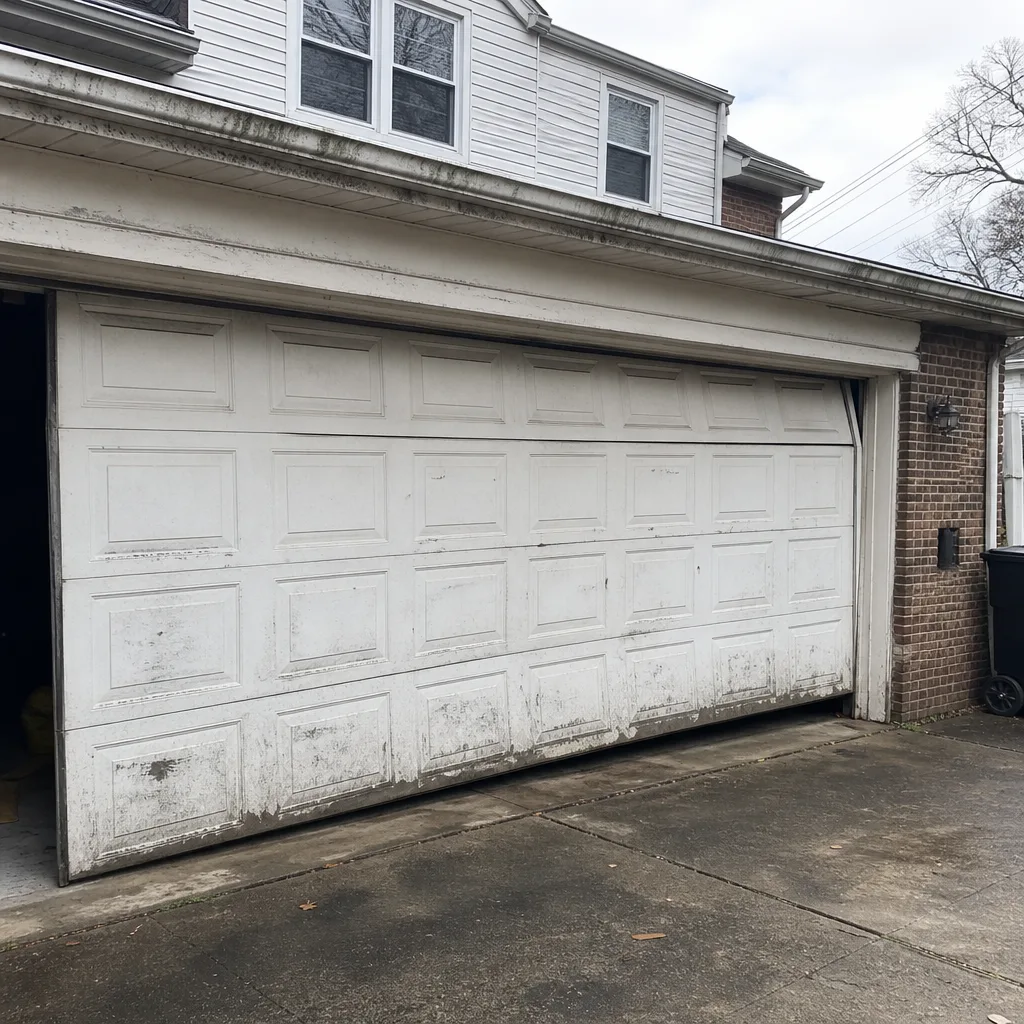 Before
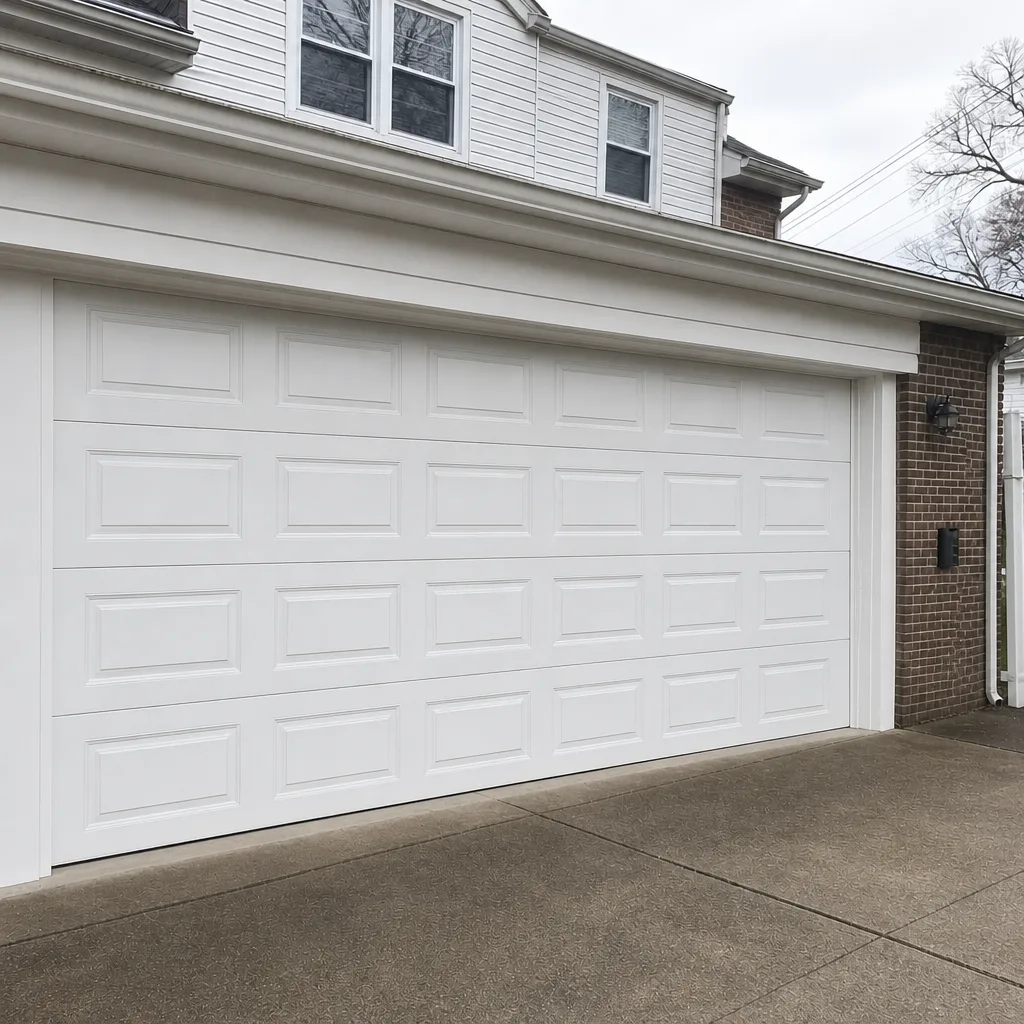 After
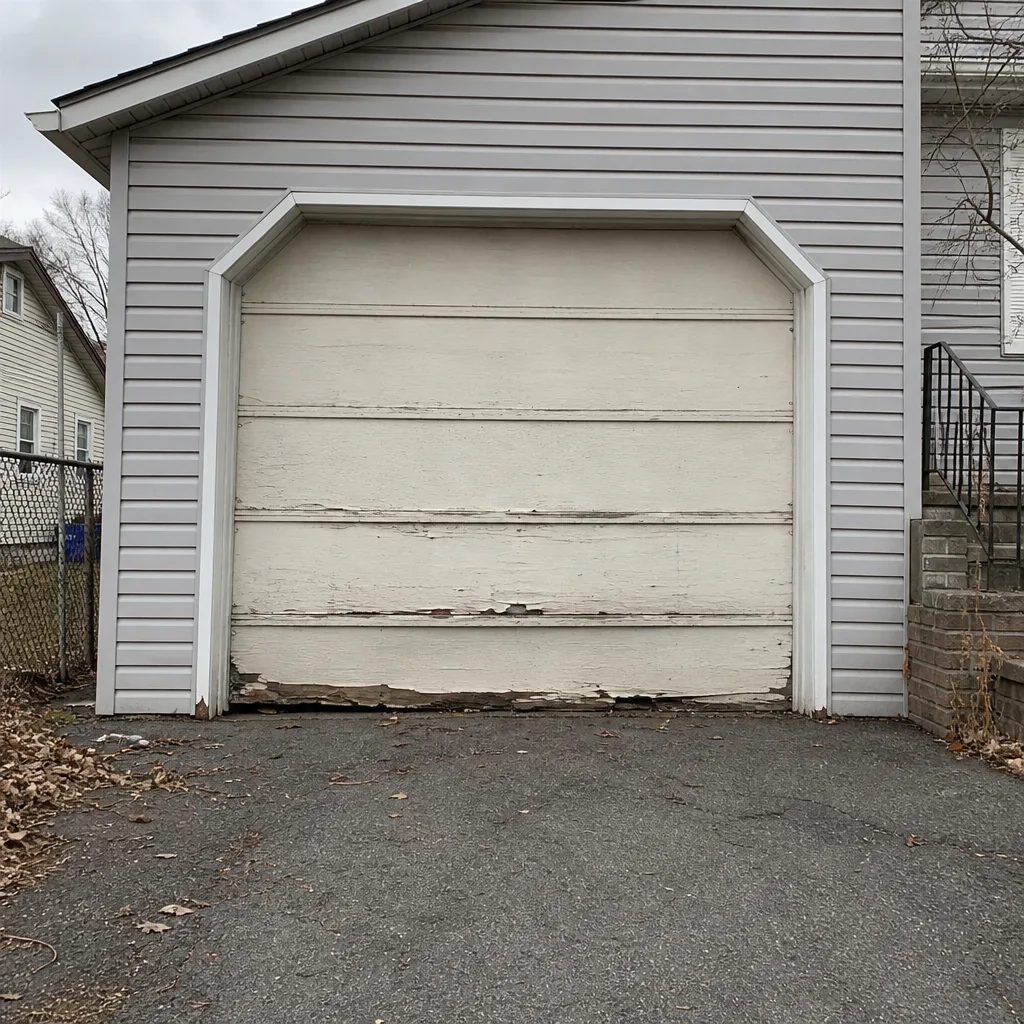 Before
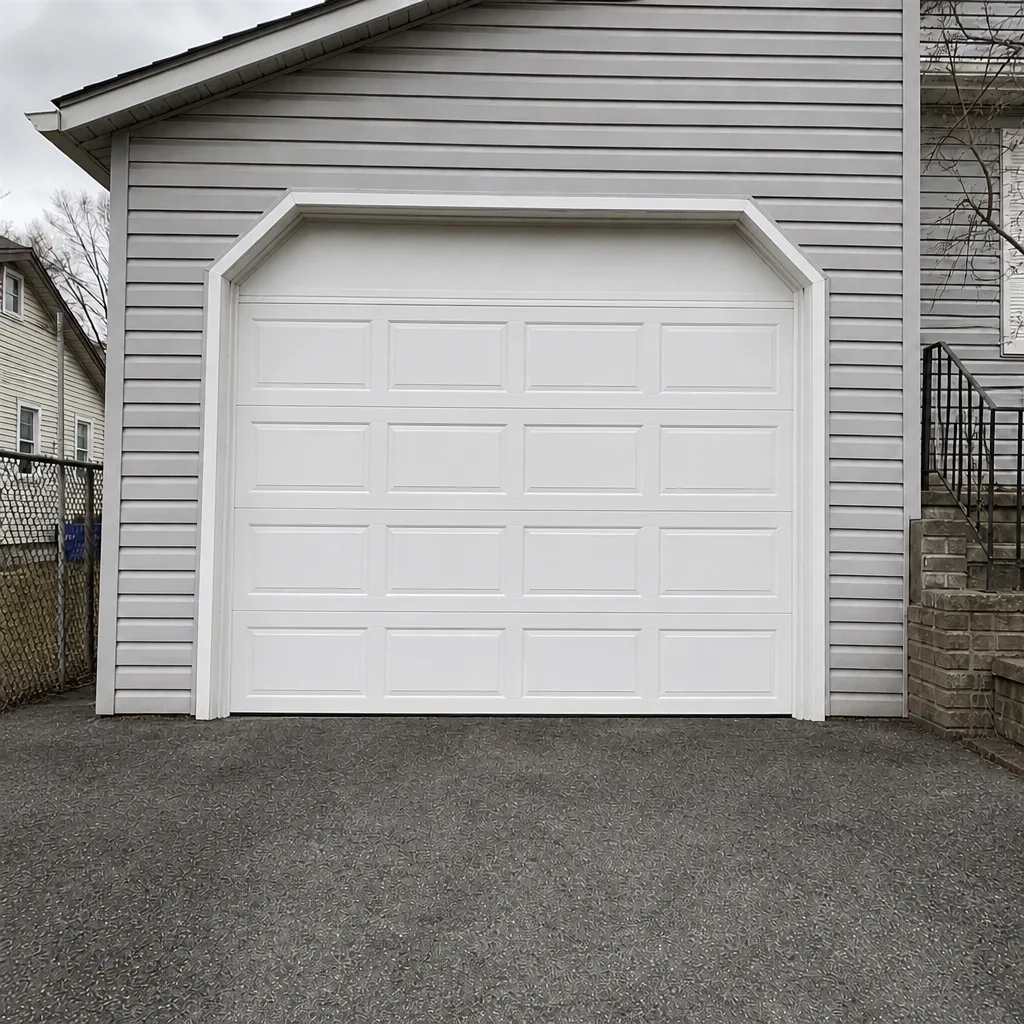 After
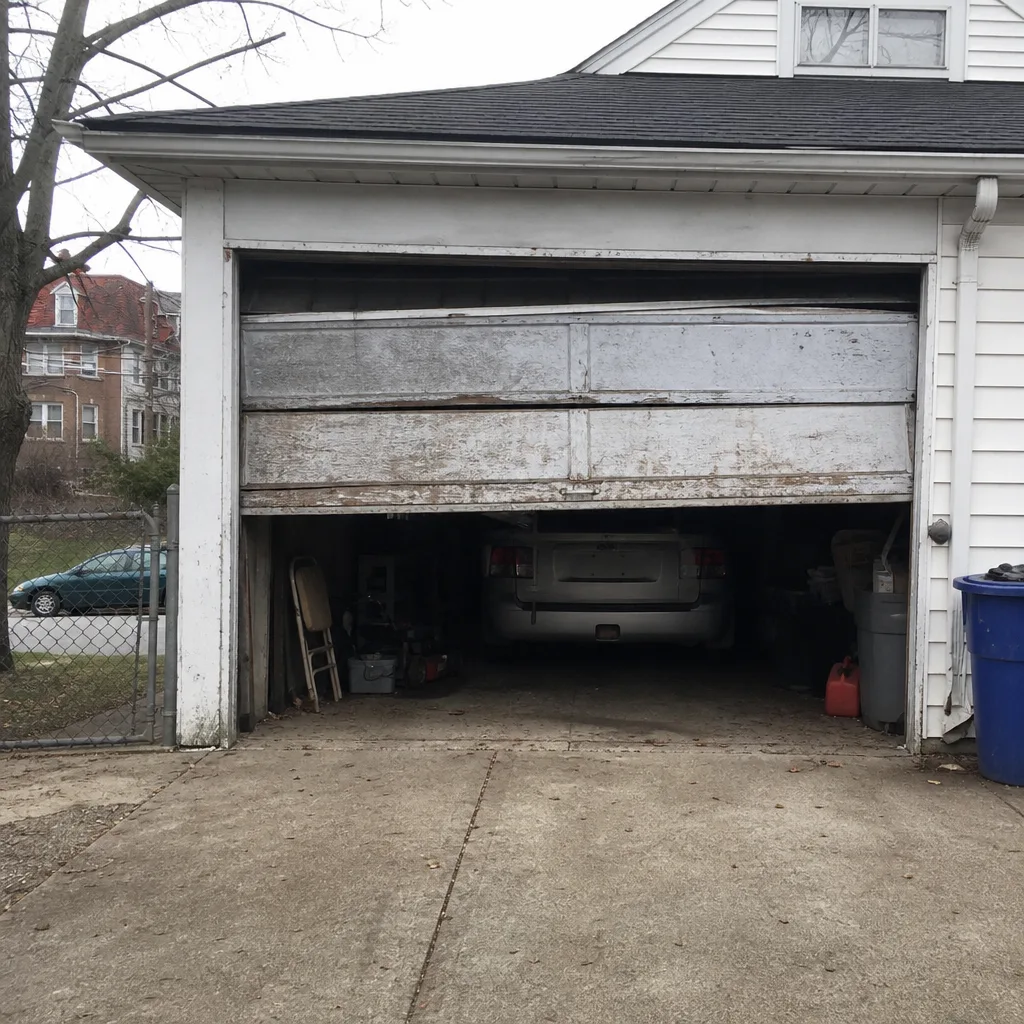 Before
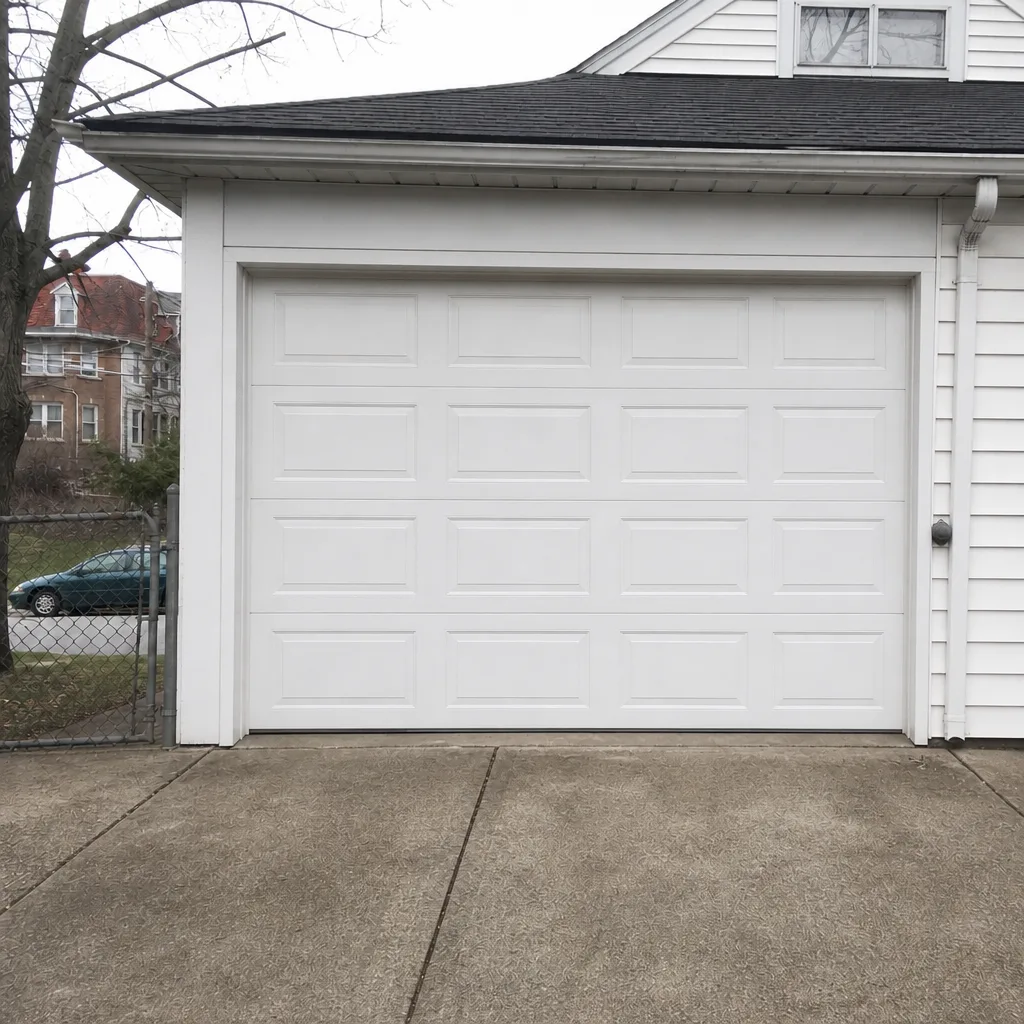 After
When to Call a Professional
Call a professional for anything on the stored-energy list: springs, cables, drums, bottom brackets, and any track or structural work. Call immediately if a spring has snapped, a cable is frayed or hanging, the door is crooked or stuck, or the opener runs but the door doesn’t move. Those are the failures where a wrong move at home carries real risk. For everything else, a maintenance routine keeps the door healthy and the service calls rare.
Yonkers Garage Door Repair Co offers free estimates in Yonkers – call (844) 443-4494. We answer 24/7. Fast dispatch from 7am to 7pm, Sunday through Friday. Our technicians have up to 13 years of experience, and we work on the brand already in your garage.
Frequently Asked Questions
No. Torsion spring replacement is professional-only work because the spring holds roughly 100 ft-lbs of torque when wound, and a slip during winding can cause serious injury in an instant. The right tools, the winding bars, and the anchor knowledge all matter, and even experienced DIYers shouldn’t attempt it. Call (844) 443-4494 – estimates are free.
Torsion spring replacement in Yonkers typically runs $180 to $340 for one spring, and a matched pair usually costs about twice that because the pair is replaced together. The written estimate sets your final price, and it’s quoted and agreed before any work starts. Call (844) 443-4494 for an exact quote – estimates are free.
You can lubricate the springs, rollers, and hinges, test the safety reverse, align the photo-eye sensors, program remotes and keypads, adjust opener settings, and keep the tracks clean. All of that is safe and reduces how often you need a service call. Anything involving springs, cables, or bottom brackets is professional work.
Your homeowner’s policy is written for liability and sudden damage, not for injuries from a repair you weren’t qualified to perform, and medical payments coverage has limits that may not cover a serious hand or arm injury. A DIY repair that damages the door usually isn’t covered either. It’s one more reason spring work belongs with an insured professional.
The price is quoted and agreed before any work starts, so the invoice matches the number you were given. If the diagnosis changes once the door is open, you’ll hear why before anything else happens. Call (844) 443-4494 for a free estimate.
Yes, we offer same-day service for urgent failures. We answer 24/7, with fast dispatch from 7am to 7pm, Sunday through Friday. Then a trained technician can diagnose and repair a stuck door, a snapped spring, or a failed opener. Call (844) 443-4494.
The Bottom Line
The DIY-versus-professional question for garage doors has a clear answer once you look at the mechanics. Lubrication, sensor alignment, remote programming, and safety testing are safe for a careful homeowner and worth doing. Springs, cables, drums, and brackets are professional-only, not because homeowners lack skill, but because those parts hold stored energy that fails without warning. In Yonkers, older doors and wide temperature swings make that line matter even more. Maintain what’s safe, call a specialist for what isn’t, and make sure the price is quoted before any work starts. When you’re ready, garage door repair starts with a free estimate.
From spring to opener to the full door, one call covers diagnosis, repair, and replacement. We work on LiftMaster, Chamberlain, Genie, Clopay, Amarr, Wayne Dalton, Craftsman, and Raynor hardware, and we’re happy to look at a garage door installation when a repair no longer makes sense. For a free estimate, call (844) 443-4494. We answer 24/7. Fast dispatch from 7am to 7pm, Sunday through Friday. You can also reach the team at Yonkers Garage Door Repair Co to get started.
Written by the team at Yonkers Garage Door Repair Co.