
Last updated November 21, 2026
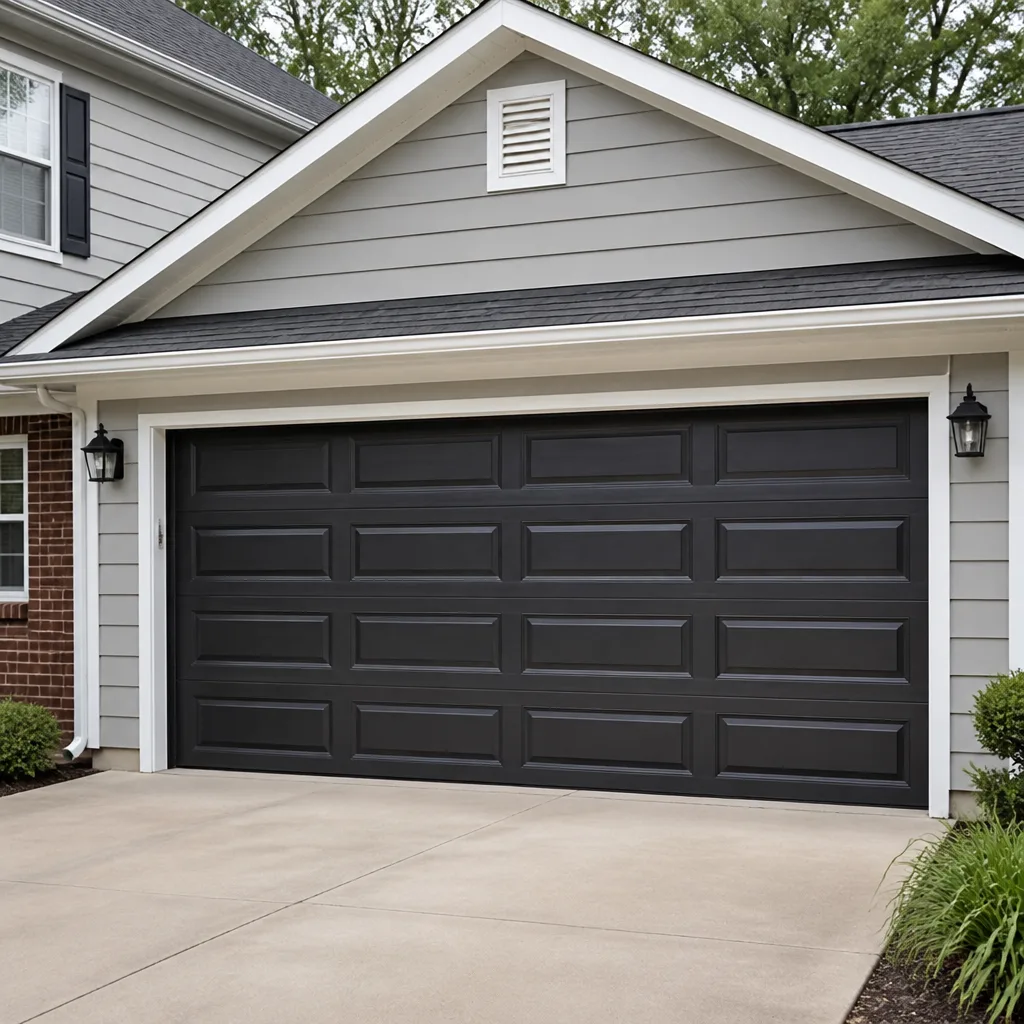 Raised-panel steel
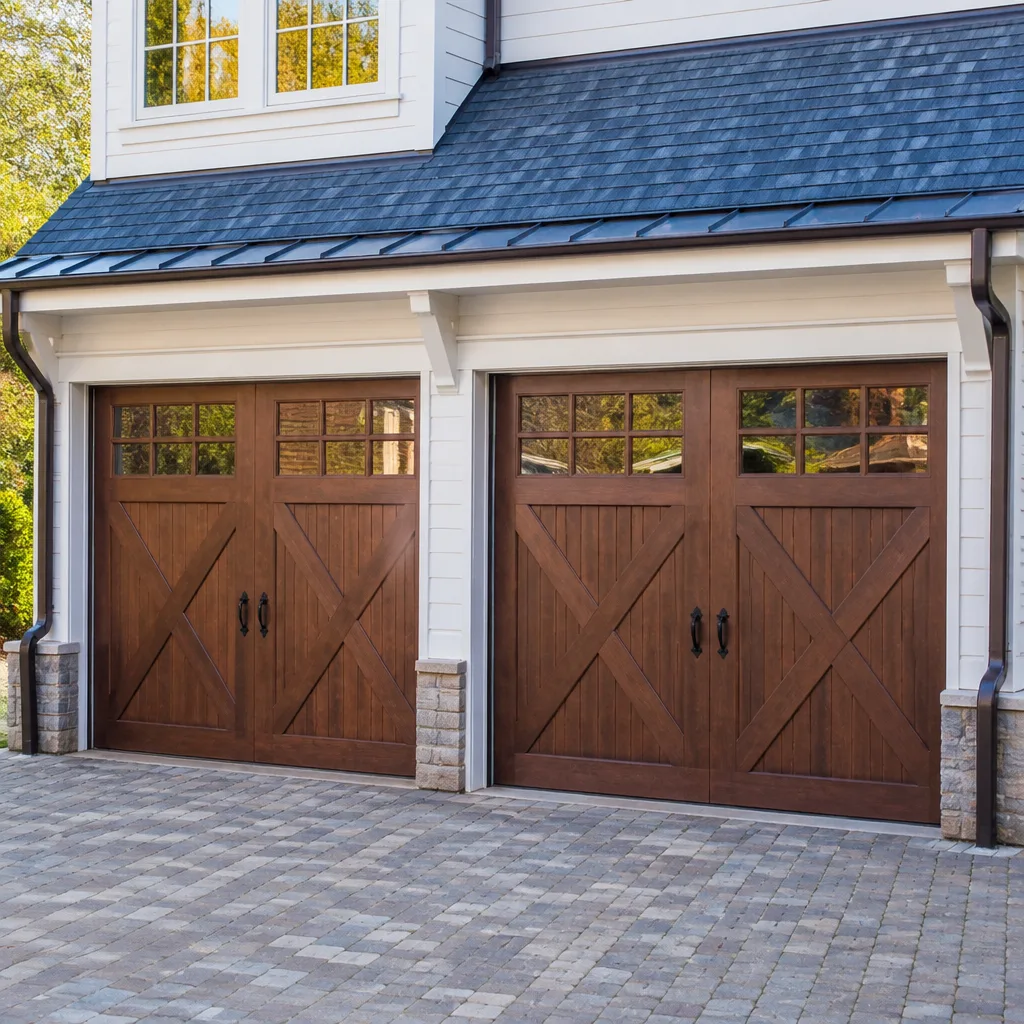 Carriage house
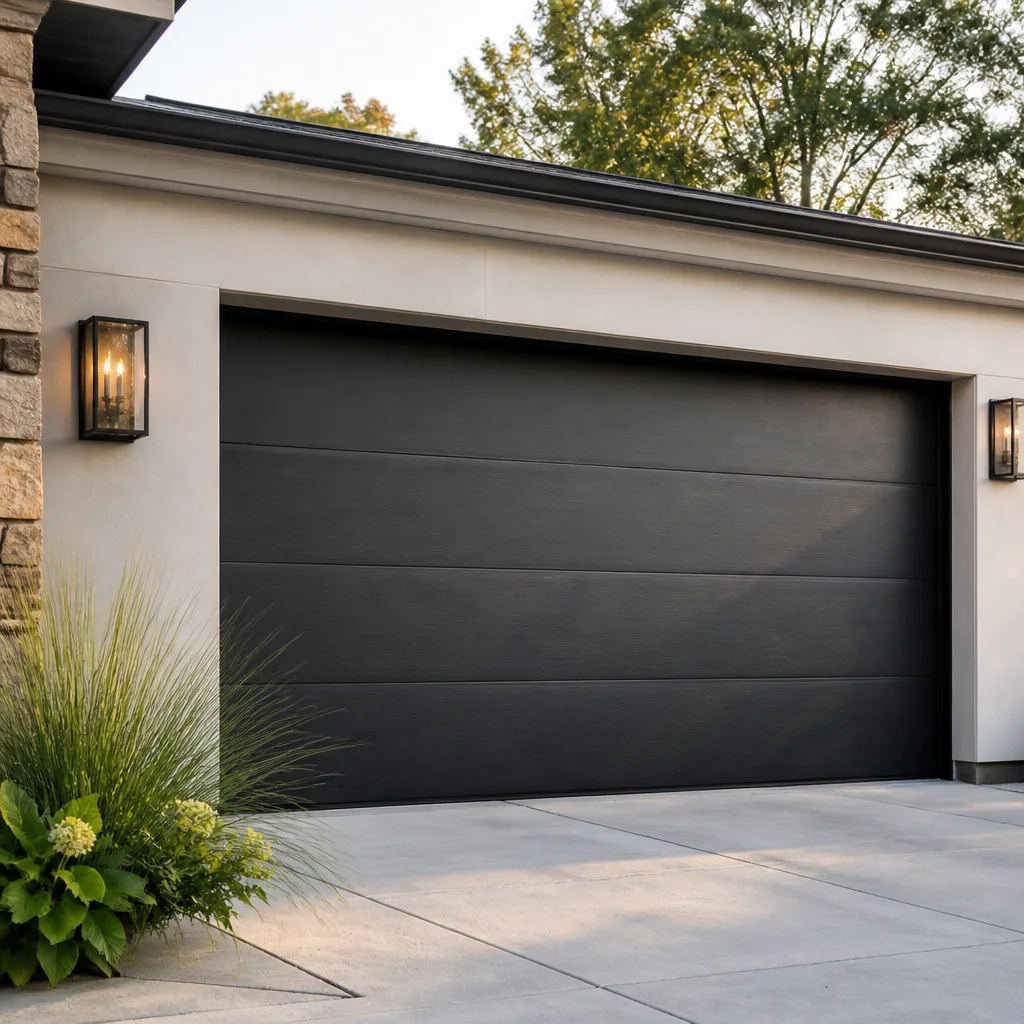 Modern flush
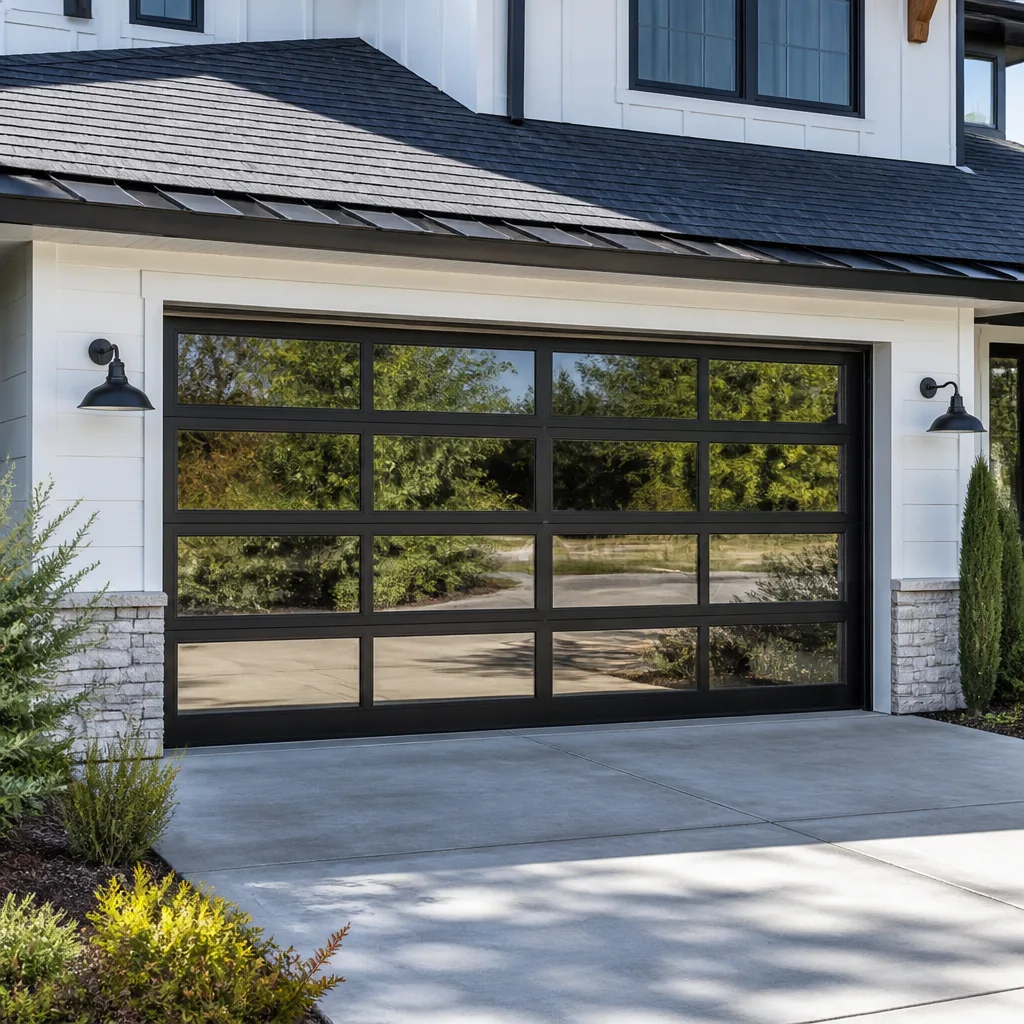 Full-view glass
 LiftMaster openers
 Chamberlain openers
Full 25-point door and opener safety check with every visit - springs, cables, rollers, tracks, and your LiftMaster or Chamberlain opener included
You get a price before we start. It does not change when the pro arrives.
Get your free estimateGarage Door Repair Maintenance Checklist for Yonkers Homeowners
The repair call we get most often in Yonkers in early spring isn’t a snapped spring. It’s a door that made it through the winter intact and then jumped its track, usually because worn bottom brackets went unchecked when the cold set in. The brackets themselves are a small fix. The damage they cause when they fail is not. Yonkers sits in a freeze-thaw corridor where hardware expands and contracts through the winter, and the older concrete floors in many garages here heave a little every year, nudging tracks out of plumb. That combination is what this checklist is built around. We work backward from the repairs we’re actually called for and write down what prevents them.
What you’ll find below: a component-by-component routine timed to Yonkers seasons, a safe way to test spring tension without tools, a lubrication guide broken down by part, and a simple log format that tells a technician whether a problem is new or progressive. No hype. Just the inspection habit that keeps a garage door moving.
Quick Answer
A garage door maintenance checklist for Yonkers homeowners should cover five things every season: a visual inspection of springs, cables, and bottom brackets after each freeze-thaw cycle; a manual lift test to gauge spring tension; a track plumb check on older concrete floors; component-specific lubrication (oil or silicone on rollers and hinges, never grease on the screw drive); and a written log of what you find so a technician can see whether a problem is new or getting worse. Do this every six months and once more after winter, and you’ll catch most failures before they strand a car. Anything touching springs or cables goes to a trained technician.
Styles & brands we work with
- Raised-panel steel
- Carriage house
- Modern flush
- Full-view glass
- LiftMaster openers
- Chamberlain openers
Table of Contents
- Why Yonkers Garages Fail Differently
- Your Seasonal Inspection Calendar
- The Freeze-Thaw Stress Points
- Testing Spring Tension Safely
- Concrete Heave and Track Plumb
- Lubrication Spec by Component
- Keeping a Maintenance Log
- When to Call a Professional
Why Yonkers Garages Fail Differently
Yonkers sits close enough to the Hudson that winter isn’t a single cold snap – it’s dozens of freeze-thaw cycles from late November into March. Metal expands and contracts with each one. Seals stiffen. Rollers start to bind. Nothing fails all at once. It accumulates, quietly, across a season. Then comes a morning when the temperature drops fast, the door lifts, and a worn bracket lets go.
That rhythm is different from what a homeowner in a warmer climate sees. In a place without a real freeze-thaw season, a roller may last years longer before it shows wear. Here the same roller can start to flat-spot after one hard winter. The failures we see in Yonkers tend to cluster around three components:
- Rollers – the nylon or steel wheels that ride in the track. Cold stiffens the roller stems and the wheels themselves. A binding roller drags the track, and the track drags everything else.
- Cables – the tension members that carry the door’s weight alongside the springs. Freeze-thaw cycling works the cable at the drum and at the bottom bracket, where it’s under constant load.
- Bottom brackets – the fixtures at the base of the door that anchor the cable to the panel. These are the quiet failure point. When the bracket is worn, the cable can slip and the door can come off-track even though the springs are fine.
The same is true of older Yonkers garages with poured concrete floors. Concrete doesn’t stay flat forever. In a house that’s been through decades of winters, a slab can heave a fraction of an inch at a corner, and that’s enough to tilt the base of the track just enough to pull the door out of alignment. We see this most in older homes in the neighborhoods north of the city center, where the garages were built with the houses and the concrete has had a long time to move. If you’re in a newer build, your floor is likelier to be flat, but the freeze-thaw stress on the hardware is the same.
None of this means disaster. It means a Yonkers garage door needs to be looked at on a schedule matched to Yonkers weather, not a generic one. That’s the whole point of this guide.
Your Seasonal Inspection Calendar
A garage door doesn’t need constant attention. It needs the right attention at the right time of year. Four checkpoints matched to Yonkers seasons will catch almost everything before it becomes a repair call. Each inspection takes fifteen to twenty minutes and requires no tools beyond a flashlight and, for one step, a screwdriver.
- Late fall (before the first hard freeze). Walk the door. Look at the springs, cables, and bottom brackets. Run your hand along the bottom seal and make sure it’s pliable and seated. Clear leaves and debris from the track channels. This is the one inspection where you want everything tight and dry before the cold arrives.
- Mid-winter (after the first real cold spell). Watch and listen. Does the door move evenly, or does it shudder? Does it run quieter on one side than the other? Listen for a grinding or popping sound. You don’t need to touch anything here – just observe. Note what you hear in your log.
- Early spring (the big one). This is when freeze-thaw damage shows up. Inspect the bottom brackets and rollers closely, check track plumb, and do the manual lift test (covered below). Most of the “door came off-track in March” calls trace to this checkpoint.
- Midsummer. Lubricate per the component spec, check the springs for a fresh gap or curl, and clear the photo-eye sensors on your opener. Heat and humidity won’t crack a spring the way cold will, but they’ll stress the opener’s motor if the door is running tight.
Add a fifth checkpoint any time you notice something odd – a new noise, a door that stops partway, a remote that needs to be pressed twice. The calendar is a floor, not a ceiling. If you have a LiftMaster or Chamberlain opener with a myQ app, it may log when the door didn’t fully close or took longer than usual; that’s a useful signal to add to the calendar your attention doesn’t otherwise flag.
The Freeze-Thaw Stress Points
After each winter, a Yonkers garage door has taken a beating in one specific way: repeated expansion and contraction of every metal part under load. Here’s what to check on each component once the season turns, in order of how often they cause a real problem.
Bottom brackets
The bracket at the base of each side of the door anchors the lift cable. Inspect it for a visible gap, rust bloom, or a bracket that wobbles when you press a finger against it. Do not loosen or tighten it – it’s under tension and can release suddenly. Just look and note. A worn bracket is one of the cheapest parts to replace and one of the costliest to ignore, because when it goes, the door can come off-track and damage the panels or the track itself.
Cables
Look at where the cable meets the drum at the top of the door and where it meets the bottom bracket. You’re looking for frayed strands, a kink, or a cable that’s jumped its groove. A single frayed strand is a warning sign; a cable with several broken strands should not be operated. Cables are under high tension and are not a DIY part – if you see damage, stop using the door and call us.
Rollers
Rollers should spin freely. With the door closed, try to rotate each roller by hand. If it binds, or if the edge looks flattened or chipped, that’s cold damage. Binding rollers wear the track, and a worn track is what throws a door out of alignment. Nylon rollers tend to fail differently than steel ones – watch for hairline cracks around the hub on a nylon roller.
Hinges and panel joints
Hinges take the cycling load at every panel joint. Look for a hinge that’s pulled slightly out of place or a joint where the panels have separated. On a colder morning, a hinge with a loose fastener can announce itself as a sharp pop when the door starts up.
Springs
Look, don’t touch. A torsion spring runs along the header above the door; an extension spring runs above the horizontal tracks. Either one can develop a visible gap in the coil. A gap means the spring has failed and the door is being held by the cables alone until someone notices. Stop using the door if you see one. Springs are covered in the next section.
Testing Spring Tension Safely Without Tools
You can gauge whether your springs still carry the door’s weight properly with one simple test. Disconnect the opener first, lift the door about halfway by hand, and let go. A healthy door with properly balanced springs will stay roughly where you left it – maybe drift a few inches. A door that slams down, or one that feels heavy enough that you have to strain to lift it, is telling you the springs have lost tension or are on their way out. This test requires no tools and no contact with the springs themselves.
Here’s what the drift means. A door that creeps more than a foot before settling is usually telling you the spring tension is low, and the door is being carried by the opener motor rather than the springs. That’s a progressive problem – a spring doesn’t lose tension all at once, it loses it over a season, and the drift grows. A door that takes real effort to lift is close to a failure. In our experience on Yonkers doors, the “off by an inch” drift is the sweet spot to catch – once a door drifts by more than a foot, you’re likely a repair call away from a snapped spring, and it’s the kind of thing that tends to happen when the car is inside and the appointment is in ten minutes.
Two absolute rules here. First, the door itself is the test – you are never touching a spring. Second, if the door won’t lift smoothly, or if the drift is extreme, stop and call a professional. Springs carry enough stored energy to seriously injure someone who tries to adjust them by hand. We mean that plainly; a trained technician has the tools to release and reset tension safely, and you don’t.
If you want a deeper read on springs specifically, our garage door repair page covers how a technician diagnoses a failing spring and what the fix involves.
Concrete Heave and Track Plumb
Yonkers has a lot of homes with garages built several decades ago, and older concrete floors don’t stay level. Freeze-thaw cycles push a slab up a fraction of an inch at a corner. Multiply that by every winter and the floor under one side of your track can end up slightly higher than the other. Tracks are anchored to that floor, so a floor that moves means a track that drifts out of vertical alignment over time.
You can check track plumb without any special tools. Stand at the side of the door and look down the edge of each vertical track. It should run straight top to bottom. A track that leans slightly in or out is drifting. You can also sight from the bottom of the track up to the top, or hold a straight edge (a level, if you have one) against the side of the track to see if it’s true. On a garage with a heaving floor, you’ll often see the bottom of the track sitting proud of the floor by a fraction of an inch on one side.
A track that’s out of plumb pulls the door subtly to one side. That shows up as a roller riding hard against one edge of the track, a door that’s harder to move on one side, or a door that doesn’t sit flush at the bottom. Left alone, an out-of-plumb track accelerates roller wear and can cause the door to come off-track at the bottom corner.
Two things you should not do: don’t loosen the track anchor bolts to shim it, and don’t try to bend the track back by hand. A track carries the door’s full weight and alignment, and a loosened anchor can let the track move unexpectedly while the door is under tension. Note the drift in your log and have a technician re-plumb it with the right gauge and anchors. Correcting track plumb is straightforward for someone who does it regularly; it’s a bad idea as a weekend project.
If your door keeps jumping track through the winter and everything else looks fine, a technician will usually start here. Our garage door opener repair page notes that a door that jumps track can also strain the opener motor, which is why alignment and opener health are connected.
Lubrication Spec by Component
This is where generic checklists get homeowners into trouble. “Lubricate your garage door” is not useful advice. Different components need different products, and the wrong one accelerates wear rather than preventing it. Here’s the spec we’d give a Yonkers homeowner, by part.
Rollers
Use a light oil or a silicone spray on the roller stems and the roller bearings. Apply a thin coat, not a flood. Wipe off excess. Do not use grease on rollers – grease attracts dirt and grit that work their way into the bearing and grind it down faster than dry metal would.
Hinges
A light oil or the same silicone spray on each hinge pivot. Two or three drops per hinge is enough. Wipe the surface around the hinge afterward so grit doesn’t collect.
Torsion spring
A light coat of oil on the spring itself helps control rust. Never apply lubricant to the cable, and never reach into the spring coil area while doing this – just a light wipe along the visible surface of the coil from a safe distance, door closed.
Track channels
The track should be clean, not lubricated. A dry cloth wiped through the channel is correct. Grease or oil in a track captures grit and turns the channel into sandpaper. If your track is visibly dirty, clean it, then leave it dry.
Drive screw (screw-drive openers)
Screw-drive openers (common on some Genie and Chamberlain units) take a specific screw-drive lubricant, not general grease. Check your opener’s manual for the correct product. Applying the wrong grease to a screw drive can cause the carriage to bind or skip.
What accelerates wear
A few products that homeowners grab by instinct actually hurt. WD-40 in its general-purpose form is a solvent, not a lasting lubricant – it cleans and displaces moisture but doesn’t leave a protective film, and repeated use can strip the very lubricant rollers need. Grease on rollers attracts grit. Any lubricant on the tracks creates a grit trap. And the bottom bracket and cable should never be lubricated at all. If you’re using a specific product for a specific part, you’re using it correctly. If you’re spraying one product everywhere, you’re probably speeding up the wear you’re trying to prevent.
While you’re up there, take a moment to look at your opener brand and model. Our technicians are factory-familiar with the major opener lines – LiftMaster, Chamberlain, Genie, and legacy Craftsman – as well as door brands like Clopay, Amarr, Wayne Dalton, and Raynor. Knowing the brand means a technician walks in understanding the hardware already in your garage, not reading a manual off a truck. That’s part of why Yonkers Garage Door Repair Co focuses only on garage doors.
Keeping a Maintenance Log
A maintenance log turns a vague “the door seems noisier than before” into something useful. The point isn’t recordkeeping for its own sake. It’s that a technician can tell in thirty seconds whether a problem is a new event or a slow progressive one, and that changes the diagnosis. A door that started shuddering last week gets a different response than a door that’s been drifting out of balance for two winters.
You don’t need an app or a clipboard. A single sheet taped inside the garage door frame works. Here’s the format:
- Date – the day you inspected.
- Component – roller, cable, bottom bracket, spring, track, opener, hinge.
- What you saw or heard – one line. “Left roller binds.” “Drift about six inches.” “Track leans in at bottom right.”
- New, worsening, or stable – your best read. This is the key column.
- Action taken – “Cleaned track and lubricated roller.” Or “Noting it, watching before winter.”
When you call a professional, hand over the log. It’s worth more than a verbal description because it shows the trend. A technician reading “left roller binds, worsening, noted in October and again in February” knows to look at that roller and the track it rides on, not start from scratch across the whole door. In our experience, a homeowner with a one-page log gets a faster diagnosis and a more accurate quote than one without, simply because the technician isn’t guessing whether something is new.
The log also catches the thing that’s hardest to notice in the moment: incremental change. A door that gets a little noisier every month doesn’t sound bad until you compare it to a recording of how it sounded a year ago – and the log is that recording, in words.
Common Mistakes to Avoid
- Greasing the tracks. It’s the most common mistake we see. Oil or grease in the track channel collects grit and turns a smooth channel into a grinding surface. The track should be clean and dry; lubricate the rollers, not the track they roll in.
- Using general-purpose spray on rollers and calling it lubrication. A solvent-based spray will clean a roller but won’t leave the lasting film it needs. Use light oil or silicone on roller bearings and roller stems specifically, and the correct screw-drive lubricant on screw-drive openers.
- Adjusting a spring yourself. Springs are under high tension and carry enough stored energy to cause serious injury. This is not a DIY job, no matter how simple an online video makes it look. If the tension feels wrong, stop using the door and call a technician.
- Loosening track anchor bolts to shim an out-of-plumb track. A track carries the door’s weight. Loosening an anchor while the door is under tension is a setup for a sudden drop or a door that comes off-track. Have a technician re-plumb the track with the right gauge.
- Ignoring the bottom brackets because the springs look fine. Many Yonkers “door came off-track in March” calls start with a worn bottom bracket, not a broken spring. Inspect the brackets every spring regardless of how the springs look.
- Not writing anything down. If the only record of a problem is your memory, a technician can’t tell whether a shudder is new or a slow trend. Keep the log, and bring it to the repair call.
- Forcing a door that won’t lift. If the manual lift test tells you the door feels heavy, don’t ride the opener through it. That’s how an opener motor burns out on top of a spring problem. Stop the door, note it, and call for a diagnosis.
See the difference
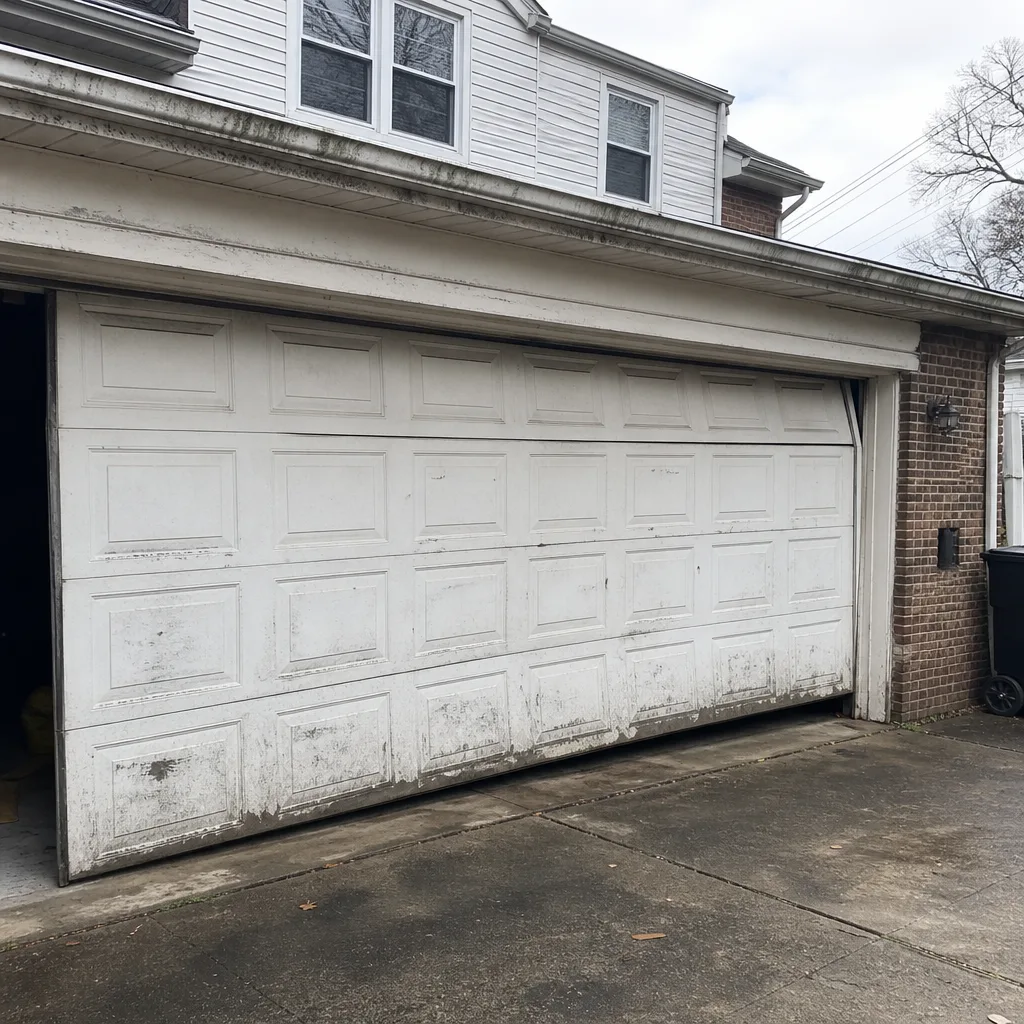 Before
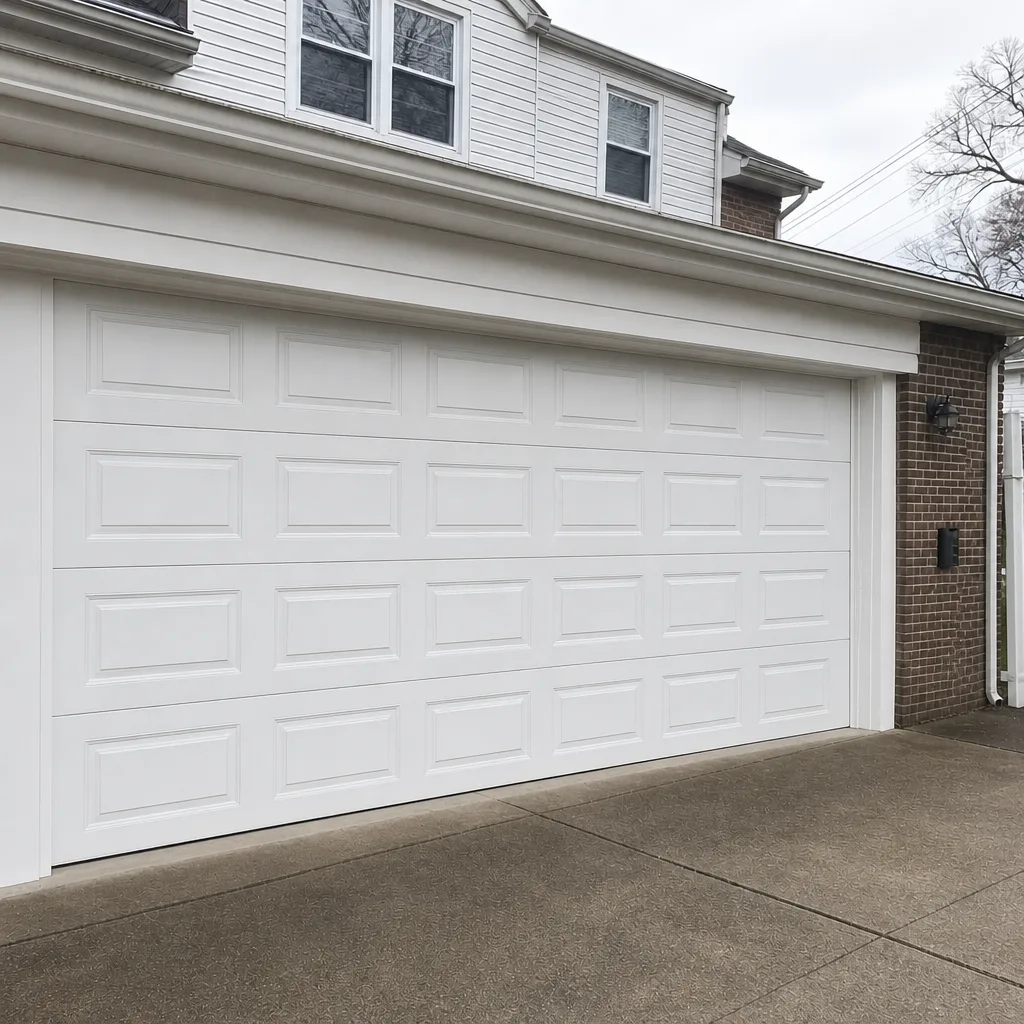 After
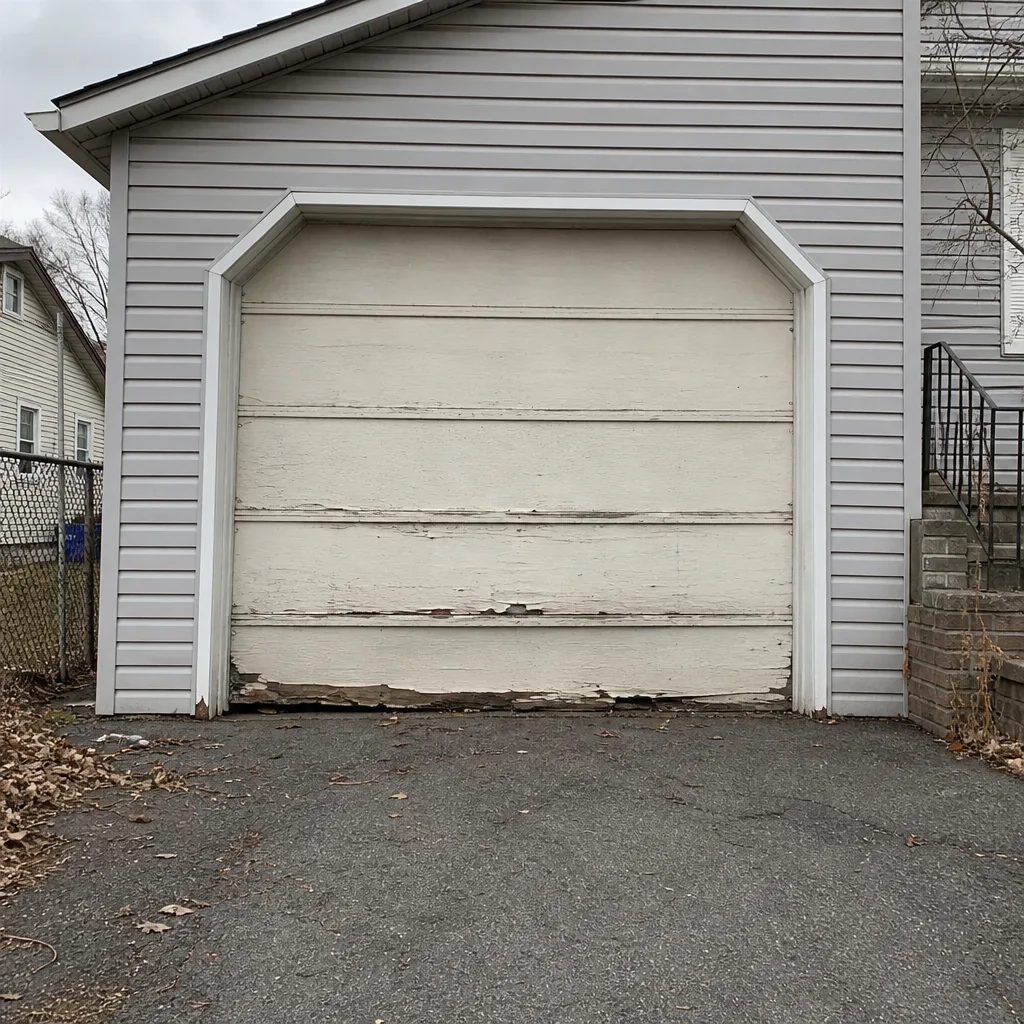 Before
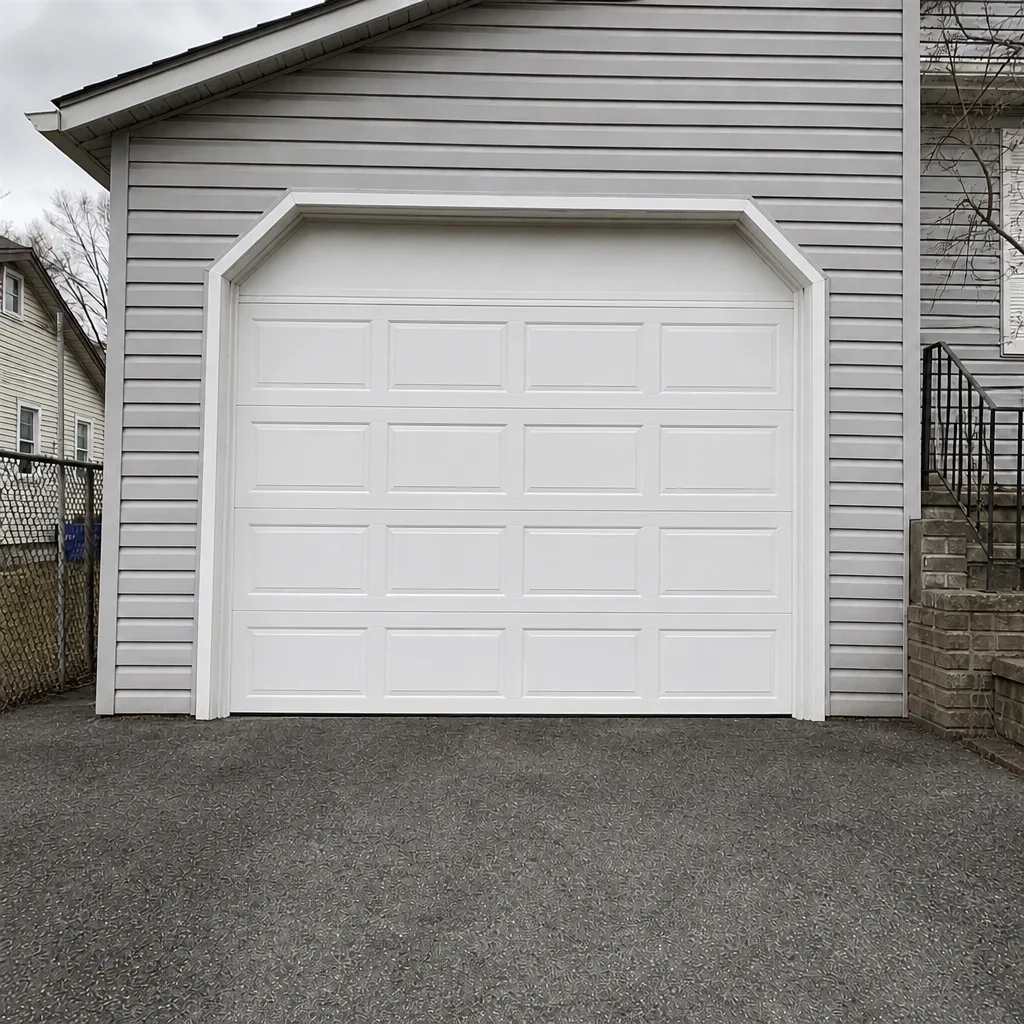 After
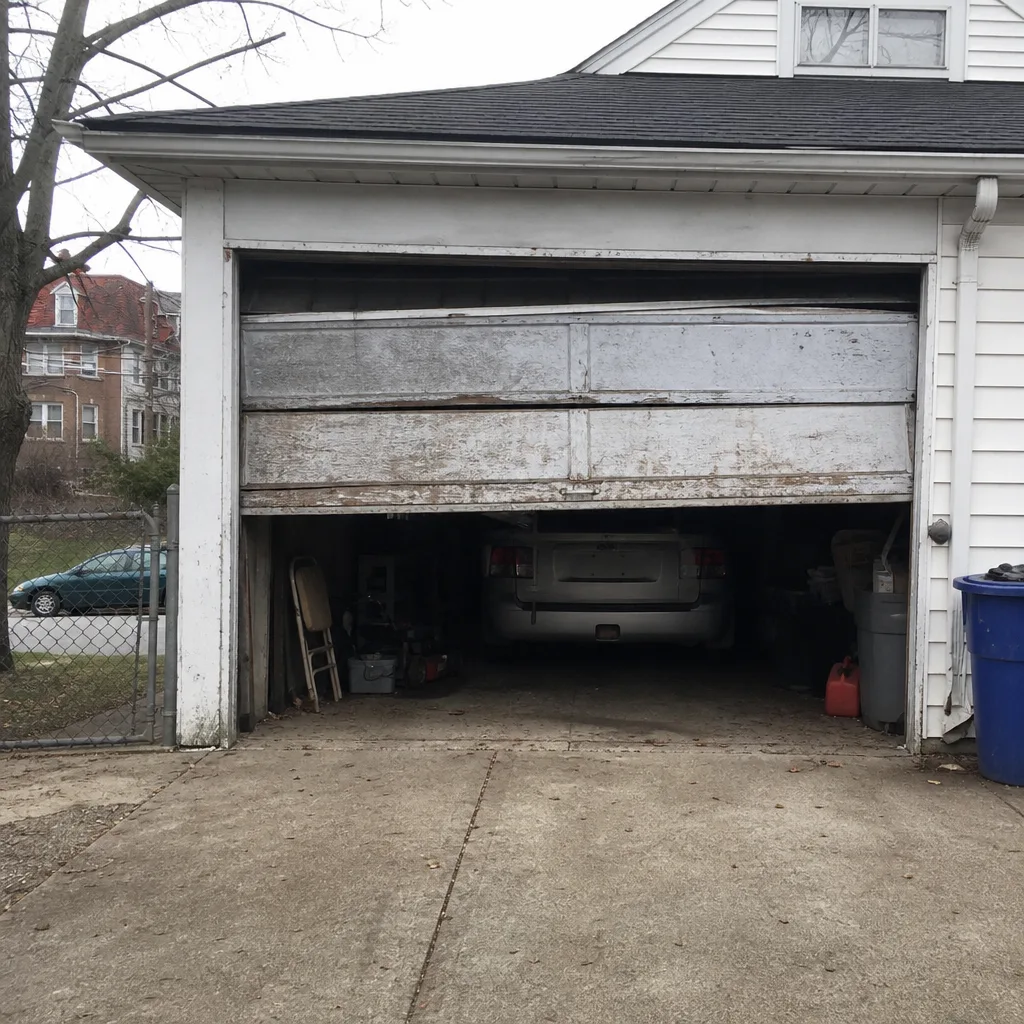 Before
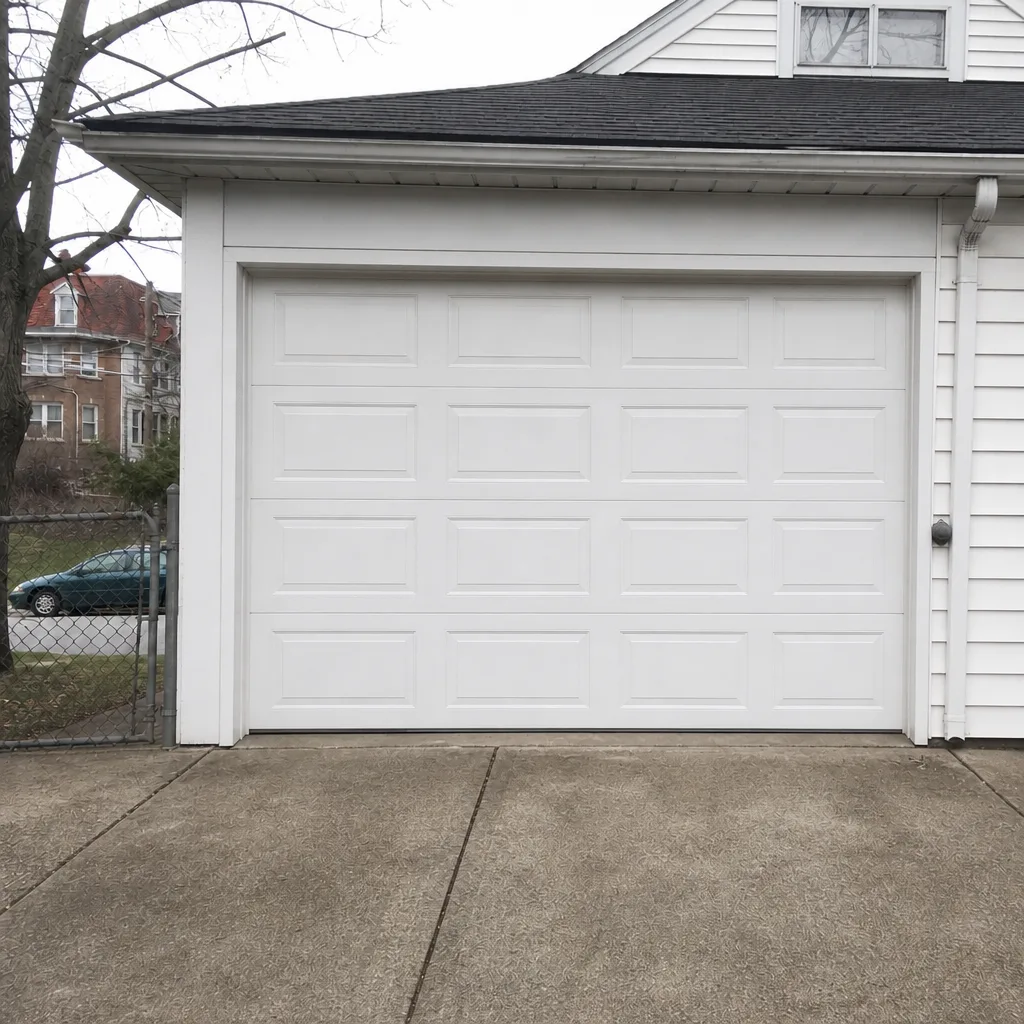 After
When to Call a Professional
Some of this checklist belongs to you, and some of it doesn’t. The dividing line is anything involving the springs, the cables, or the track anchors – those are under high tension and should always go to a trained technician. Beyond that, call a professional when you find a broken spring (a gap in the coil), a cable with visible frayed strands, a bottom bracket that wobbles or shows a gap, a door that jumps its track or won’t sit flush, a manual lift test that comes back heavy, or an opener that strains or stops partway through a cycle. If your log shows a problem that’s worsening across two inspections, that’s a call too, even if the door still works.
Yonkers Garage Door Repair Co offers free estimates in Yonkers – call (844) 443-4494. We answer 24/7. Fast dispatch from 7am to 7pm, Sunday through Friday. Our technicians have up to 13 years of experience with springs, openers, and full doors, and we work with the brand already in your garage.
Frequently Asked Questions
Four times a year is the right cadence for a Yonkers door: late fall before the cold, mid-winter to catch noise and binding, early spring for the big post-freeze inspection, and midsummer for lubrication. Add an extra inspection any time you notice a new noise, a door that stops partway, or a remote that needs pressing twice. If you can only do one, do the early spring inspection, because that’s when freeze-thaw damage shows up.
It’s a door that got through winter but came off-track because the bottom brackets were worn, not a broken spring. A worn bottom bracket lets the cable slip, the door drifts out of alignment, and it jumps the track. It’s a small fix if it’s caught, but a bigger repair if the door has been running on a bad bracket for a season. A 90-second bracket inspection before winter is the cheapest prevention there is. Call (844) 443-4494 for a free estimate if your door is already off-track.
Yes for the visual inspection, the manual lift test, cleaning the track, and lubrication – all of that is homeowner work. No for anything involving the springs, cables, or track anchor bolts. Springs are under high tension and can seriously injure someone who tries to adjust them. If the lift test feels heavy or a spring shows a gap, stop and call a technician.
A professional tune-and-inspect visit is priced per job by a written estimate, which you get for free before any work starts. The price is quoted and agreed before a technician touches the door, so there’s no surprise on the invoice. Call (844) 443-4494 for an exact quote – estimates are free.
It’s usually freeze-thaw wear plus something specific – a worn bottom bracket, a flat-spotted roller, or a track that’s out of plumb because the concrete floor has heaved. Winter works the bracket and roller hard, and older concrete floors in Yonkers move a fraction of an inch across many winters, which throws the track out of vertical alignment. A technician will check bracket wear and track plumb together, because both cause the same symptom.
A single sheet taped inside the garage door frame is enough. Five columns: date, component, what you saw or heard, whether it’s new, worsening, or stable, and what action you took. The “new, worsening, or stable” column is the important one, because it lets a technician see whether a problem is a one-time event or a slow trend. Bring the log to the repair call and the diagnosis goes faster.
We answer 24/7 and dispatch fast from 7am to 7pm, Sunday through Friday, so same-day service is often possible for a stuck or broken door. Call (844) 443-4494 and we’ll book the next opening. A call outside dispatch hours is booked into the next opening, Sunday through Friday, 7am to 7pm. The price is quoted and agreed before any work starts.
The Bottom Line
Yonkers garage doors fail on a schedule dictated by freeze-thaw cycles and older concrete floors, not by brand or by luck. The maintenance that prevents most of those failures is simple and short: inspect the springs, cables, and bottom brackets after each winter; run the manual lift test once a season; check the track for plumb on an older floor; lubricate by component (light oil or silicone on rollers and hinges, correct screw-drive lubricant on a screw-drive opener, nothing on the tracks); and keep a one-page log so a technician can tell a new problem from a progressive one. Anything involving springs, cables, or track anchors is a professional job – that’s not a sales pitch, it’s the safest way to work around stored tension.
If your door has been through a Yonkers winter without a look, now is the time. Our team works on the brand already in your garage, we do garage door repair and garage door installation from spring to opener to the full door, and we diagnose before we fix. Call (844) 443-4494 for a free estimate. We answer 24/7 with fast dispatch from 7am to 7pm, Sunday through Friday.
Written by the team at Yonkers Garage Door Repair Co.