
Last updated November 21, 2026
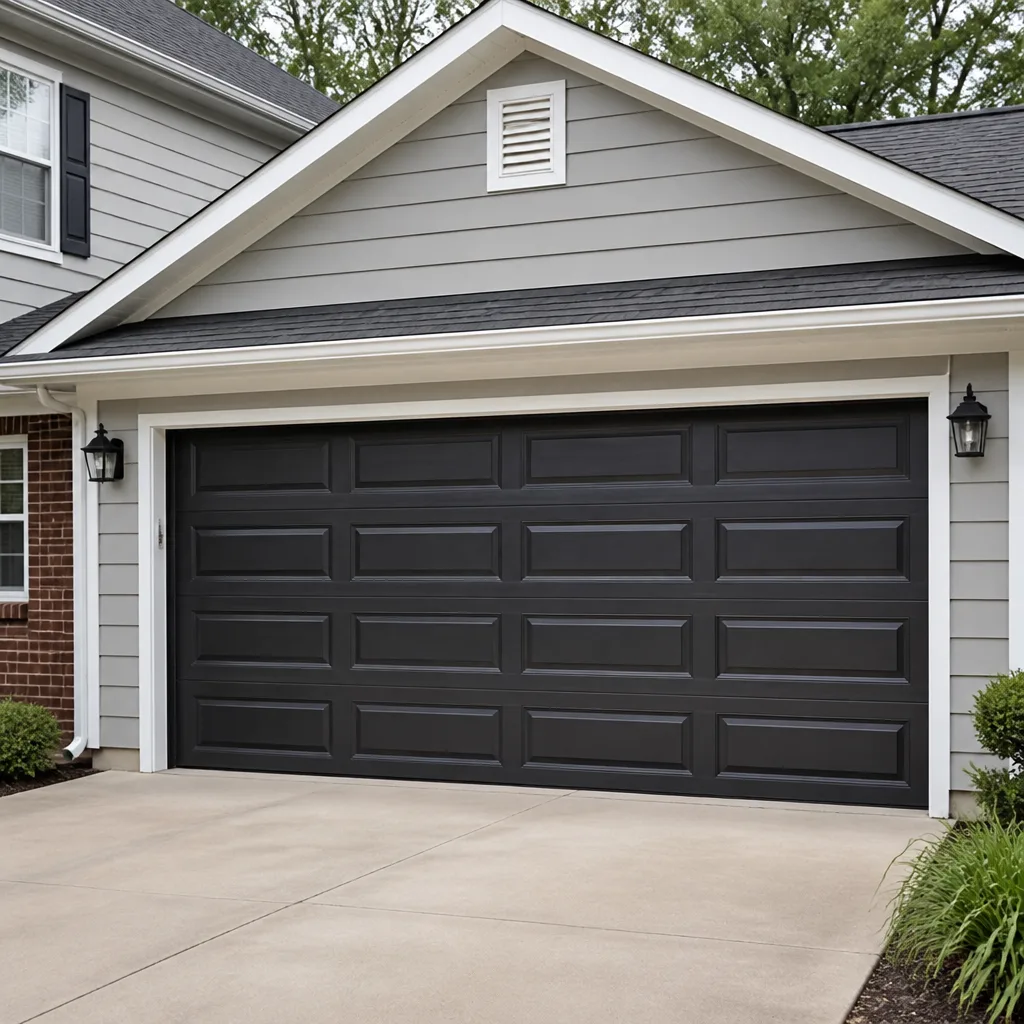 Raised-panel steel
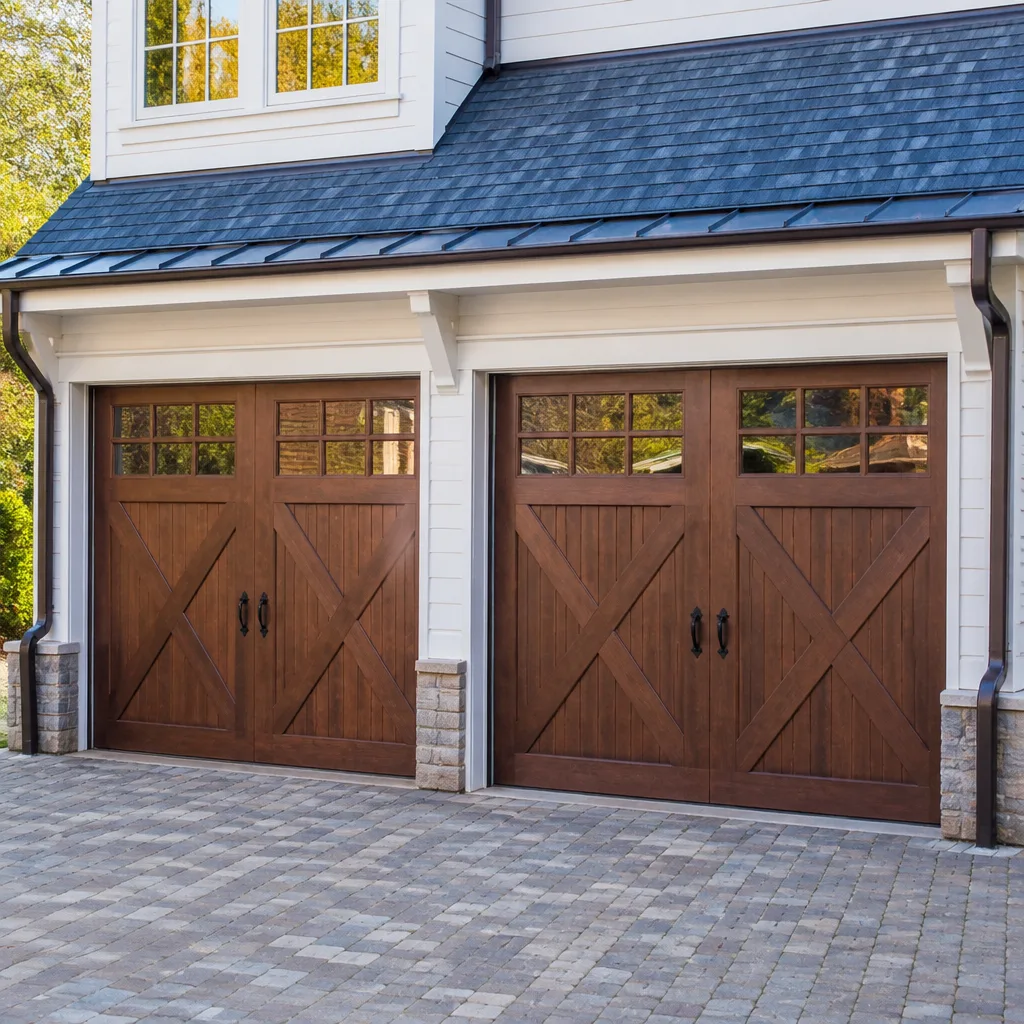 Carriage house
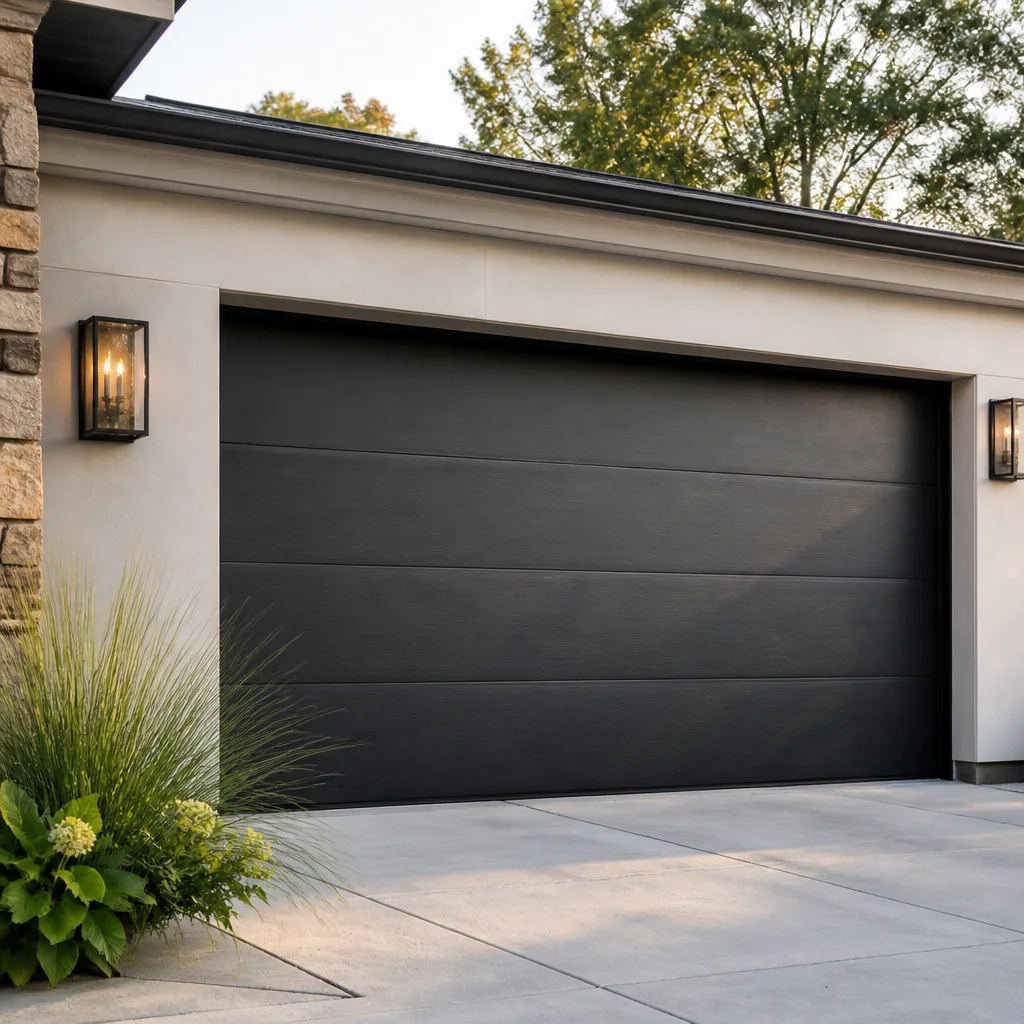 Modern flush
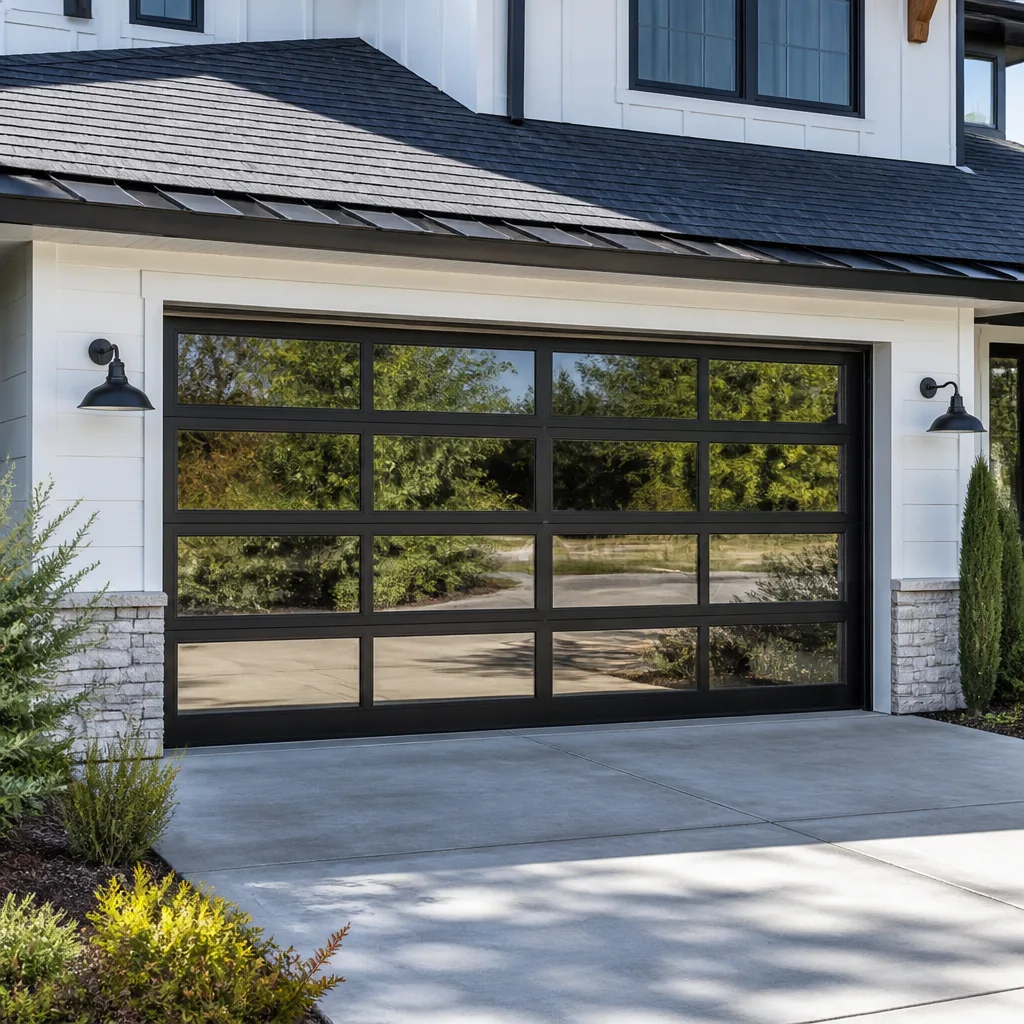 Full-view glass
 LiftMaster openers
 Chamberlain openers
Full 25-point door and opener safety check with every visit - springs, cables, rollers, tracks, and your LiftMaster or Chamberlain opener included
You get a price before we start. It does not change when the pro arrives.
Get your free estimateGarage Door Permits, Codes & Inspections in Yonkers, NY: What You Need to Know
Most Yonkers homeowners assume a garage door replacement never needs a permit. Usually they’re right, and that’s exactly what makes the exception so easy to miss. Swap panels on the same opening and nobody at the city wants paperwork from you. Widen the opening two inches, add a circuit where no outlet existed, or cut into the structural header, and the job changes category. It becomes construction work with a filed scope. This guide draws the line between the two, explains how Westchester County buyers’ attorneys see unpermitted garage work at resale, and shows you how to fix a permit problem before it costs you a closing.
Quick Answer
A garage door permit is required in Yonkers when the work changes the structure of the opening, the size of the opening, or the electrical service feeding the door. A like-for-like replacement of panels, tracks, springs or the door itself into the same opening and same header is normally done without a permit. Add a circuit for a new opener, widen the opening, or modify the header, and you need to pull a permit and get it inspected.
Styles & brands we work with
- Raised-panel steel
- Carriage house
- Modern flush
- Full-view glass
- LiftMaster openers
- Chamberlain openers
Table of Contents
- Where Yonkers draws the permit line
- What counts as like-for-like replacement
- Header modifications and who should spec them
- Electrical rough-in for a new opener
- How unpermitted work surfaces at resale in Westchester
- How to permit existing unpermitted work before you sell
- What a garage door inspection actually checks
- Why Yonkers conditions matter to the hardware
Where Yonkers Draws the Permit Line
The threshold is best understood as a question of what you’re touching. If the work only swaps parts that already fit the existing opening, it’s a repair or a replacement and no permit is involved. If the work changes the opening itself or the systems that support it, it’s construction and the city wants a file.
Yonkers enforces the New York State Residential Code, and a permit is generally required when the scope of work changes the structural elements of the opening. That means the header above the door, the jack studs on either side, the sill, or the dimensions of the clear opening. It also means any new electrical work, because adding a circuit is an electrical permit even when the rest of the job is nothing special.
Work that normally needs a permit
- Widening or heightening the opening in the framing
- Cutting or modifying the structural header above the door
- Installing a new electrical circuit to power an opener
- Convert a manual door to a powered one when no outlet exists
- Changing structural elements that carry the weight of the wall above
Work that normally does not
- Replacing the door in the same opening, same size, same header
- Replacing springs, cables, rollers, hinges or tracks
- Replacing an opener with a new unit on the existing circuit
- Replacing damaged panels with matching panels
We always recommend verifying your specific scope with the City of Yonkers Building Department before work starts. Rules can be read differently by different reviewers, and the person reviewing your file has the final word, not a general guide.
What Counts as Like-for-Like Replacement
Like-for-like means the finished door occupies the same opening the old one did, hung on the same header, wired to the same electrical service. The size doesn’t change. The framing doesn’t change. The circuit doesn’t change. A new door of a different model, a different brand, or a different material is still like-for-like as long as the opening is untouched.
The practical checklist
- Measure the clear opening. Width and height both, at the same points.
- Confirm the header is unchanged. No cutting, no sistering, no new support.
- Confirm existing electrical will power the new unit. Same outlet, same circuit, no new run.
- Confirm the door is being installed on the same tracks in the same position.
- Confirm the new door weight falls within the range the springs already carry, or that you’re replacing springs to match.
When all five hold, the job is a replacement of parts. When any one of them changes, the job is a modification and you should expect a permit requirement, a licensed electrician if electrical is involved, and an inspection before the job closes.
This is where a focused garage door company earns its keep. A general handyman sees “install a new door” and quotes the same for the swap and for the wider opening. A specialist sees the difference. We’ve seen enough Yonkers jobs to know the five-point check matters, and we won’t quote a job without running it. For a replacement that goes through that check, our garage door installation service starts with a free measure and a written estimate.
Header Modifications and Who Should Spec Them
A structural header carries the load of the wall above the opening. Any change to it, whether it’s cutting a wider span, adding height, or swapping material, requires a structural engineer or a licensed contractor who can spec the new beam. That spec is what has to be filed with the permit application. This is not a judgement call a handyman should make on the back of a truck.
Why the header is the point where most people cross the line
Homeowners widen an opening to fit a bigger door and never think of it as construction work. It feels like the door is “a door,” and the opening is what it hangs from, so the job feels like replacing a fixture. Under the code it’s the opposite. The opening is the working structural element, and the door is a panel that hangs on hardware. Change the opening and you’ve changed the building.
What a header spec needs
- The new clear opening dimensions
- The load the header carries (span, above-wall weight)
- The beam size, material, and connection details
- Jack stud reinforcements required on either side
- The signature or stamp of whoever prepared the spec
In practice, this often means a two-step project. The structural work is permitted and inspected first, then the door is installed into the finished opening. Scheduling the two apart is normal. Trying to combine them into one permit rarely goes the way the homeowner hopes. Our recommendation to anyone in Yonkers facing a widened opening is to start with the structural scope, get it filed, and plan the door install to follow.
Doors that don’t require a header change
Most door replacements don’t. If the existing opening is standard width and the homeowner is essentially buying the same size door, the header isn’t touched. This is the common case in Yonkers. Doors that hang from a single-car or double-car opening in the original framing and getting swapped for a same-size unit, whatever the brand – Clopay, Amarr, or a Raynor model – don’t need a header spec because the header isn’t changing.
Electrical Rough-In for a New Opener
A new opener needs a dedicated power source. If the garage already has an outlet near the opener position, the install runs on that circuit and no electrical permit is needed. If the garage has no outlet, or only an outlet that’s shared with lighting or a workbench, you’re adding a 20-amp circuit and that is electrical work with its own permit.
What the electrical scope typically involves
- A dedicated circuit from the panel to the garage ceiling area near the opener
- An outlet or junction box installed where the opener can plug in
- GFCI protection if the code requires it for the garage location
- Inspection by the electrical inspector before the circuit is energized
This matters more than homeowners realize because a smart opener like a LiftMaster or a Chamberlain with myQ is still a plug-in unit. It doesn’t install itself. Somebody has to run the wire. When we quote an opener install, we confirm whether the circuit exists. Where it doesn’t, we recommend the electrical permit and a licensed electrician before the opener is hung. Trying to run a circuit without the permit works until inspection day, or until a buyer’s attorney asks about it. If your existing opener is failing rather than missing, our garage door opener repair service addresses the opener itself without touching the electrical infrastructure.
Older garages in Yonkers
Garages in Yonkers come in a wide range of ages. Some of the older stock in neighborhoods like Park Hill and Getty Square was built with garage lighting but no dedicated outlet at all, so a new opener means a new circuit. Newer homes on the north side of the city, in areas like Crestwood, tend to have the outlet already. The electrical permit question follows the wiring that exists, not the age of the house. Check for the outlet first. If it isn’t there, plan for the permit.
How Unpermitted Work Surfaces at Resale in Westchester
Unpermitted garage work tends to surface during the title search and home inspection stage of a sale. The city’s building department records show permits that were pulled and closed. A scope that appears in the property’s history, like a widened opening or a new electrical circuit, will have no record. When there’s no record, the buyer’s attorney has a question. When there’s a question, the sale stalls until it’s answered.
What Westchester buyers’ attorneys look for
- Gaps between what the seller represents and what the building department has on file
- Any structural change with no matching permit number
- Electrical work performed without an electrical permit
- Doors or openings that don’t match the assessor’s recorded dimensions
- Inspection reports that reference a “recently installed” door with no permit trail
An unpermitted door installation becomes a negotiating item. Sometimes the buyer asks the seller to permit the work retroactively. Sometimes the buyer asks for a credit. Sometimes the sale closes with a note in the file and the issue passes to the next buyer. The one thing that’s consistent in our experience is that it comes up. Yonkers properties don’t slide past a title review quietly when the garage door was installed as part of a wider scope.
Where the flag usually comes from
The flag almost always traces back to the scope, not the door. A door that went into the same opening that was already there in the original framing doesn’t have anything to flag. A door that came with a wider opening does, because the opening is what changed the building footprint as recorded. A door that came with new electrical work does, because electrical permits are their own closed files. It’s the extra scope that gets found, not the panel swap.
How to Permit Existing Unpermitted Work Before You Sell
If you already have unpermitted garage work and you’re preparing to sell, the right move is to permit it retroactively before the buyer’s inspection catches it. That’s more straightforward than most homeowners expect, though it takes time and a filed scope. The sequence is the same as a normal permit, just starting from a finished job rather than a plan.
- Identify the scope. What was actually changed? Opening size, header, electrical, or all three. Get it on paper before you go to the city.
- Get any structural spec you need. If the header was modified and there’s no engineer’s specifications on file, you may need a licensed professional to review what’s there and produce a specification for the finished condition.
- File the permit application with the City of Yonkers Building Department. Describe the existing condition as the scope. Bring photos and any contractor records you have.
- Schedule the inspection. The inspector reviews what was actually built against what the code requires now.
- Address any corrections. If the inspection finds the work doesn’t meet current code, the corrections are on you before the file closes.
- Get the file closed. A closed permit with no outstanding corrections is what the buyer’s attorney wants to see.
Do this before listing, not after the first inspection comes back. A retroactive permit that’s already closed is a line item on a disclosure. A retroactive permit that’s in process during a closing is a delay. Yonkers property timelines run on their own schedule. Start the permit file early.
The other piece of the retroactive process is verifying the door itself meets current code. Modern doors are required to have certain safety features, and a door installed without a permit may not have been checked against those at the time. Our team can inspect the door and hardware against what a permit inspector will look for, and confirm what needs to change before the inspection. If the door needs replacing anyway, our garage door repair service can scope the corrections and the permit work together. If the door is functional and the corrections are small, we’ve had good results with homeowners doing the corrections and closing the file before listing.
What a Garage Door Inspection Actually Checks
A garage door inspection covers the safety systems, the hardware, and the installation to code. When a permit is filed, the inspector is checking what was built against the approved scope and against the code’s requirements for safety. The list below is what the inspector is most likely to look at in a Yonkers job.
The safety systems
- Photo-eye alignment and function at both sides of the opening
- Reversal on contact with an obstruction
- Force setting on the opener within the manufacturer’s specification
- Wall-mounted control placement out of reach of children
- Manual release function in a power outage
The hardware
- Springs at appropriate tension for door weight
- Cables intact and properly routed
- Rollers and hinges in working condition
- Track alignment and door balance
- Fasteners and anchoring at the header and jambs
The installation to code
- Opening dimensions match the approved scope
- Header and framing match the structural specification, if one was filed
- Electrical circuit matches the permitted scope
- Labels and manufacturer documentation present where required
We regularly check these items on Yonkers installs before the inspector ever sees the door, because the corrections are easier to make before inspection day than after. Our technicians have up to 13 years of experience working with the hardware on both sides of that inspection line. If you want a pre-inspection walkthrough, our team at Yonkers Garage Door Repair Co can help. The estimate is free.
Why Yonkers Conditions Matter to the Hardware
Yonkers weather is seasonal and changeable. The hot, wet summers and cold winters put torsion springs, cables, and the opener’s electronics through shifts in temperature and humidity that no other part of the house sees. A door that was on spec during install can be off spec by a season later if the springs drift. The inspection questions and the repair questions aren’t unrelated, even though they’re about different things.
A typical Yonkers spring-failure pattern
Torsion springs are the most common failure point on any door. In Yonkers, they tend to go in the coldest weeks of winter or the first big temperature swing of spring. The reason isn’t climate-specific to the city. It’s the metal fatigue that builds from the temperature swings. We replace one spring in a matched pair, but the second spring is usually due at the same time, and replacing both is the standard move. A pair costs about twice what one spring costs.
What Yonkers door types are typically on the house
The city’s housing stock is unusually varied for its size, and garage doors follow. In neighborhoods like Crestwood and Woodstock, you’ll typically see standard-width doors in a newer model from Clopay or Amarr. In Park Hill and Getty Square, older stock often carries a Craftsman or Wayne Dalton door that was installed decades ago and is still hung on original tracks. A Wayne Dalton model with an older hinge set is common, and it behaves differently than the newer doors. In Yonkers the door and the permit scope go together: a replacement of that old door in its existing opening doesn’t need a permit, but the newer hardware still needs to meet current safety codes.
If the opener is failing on one of those older doors, or the door itself needs replacing, our team can diagnose the door and the opener together. It’s how we approach every job we take on. And if you’re shopping around, our Yonkers Garage Door Repair Co team can walk through the whole scope before you commit.
Common Mistakes to Avoid
- Assuming “new door” always means no permit. A new door into the same opening usually doesn’t need a permit. A new door in a widened opening always does, and the widening is the part that triggers it.
- Running new electrical to an opener without the electrical permit. The door install can happen without an electrical permit, but the electrical work can’t. Two separate scopes, two separate permits.
- Letting a handyman spec a header. Header specs are structural and should come from a licensed professional. The cost of getting this wrong is measured in the wall above the door.
- Widening the opening “just two inches.” Inches don’t matter to the code. A two-inch change to a structural opening is a modification and is treated like any other.
- Skipping the retroactive permit until after the buyer’s inspection. Do the permit before listing. A closed file is a line item. An open file during a closing is a delay and a negotiating chip.
- Replacing one spring in a matched pair. On most doors the pair goes together. A Yonkers door that fails one spring in a winter cold snap is usually due for the second. Plan for the pair.
- Assuming a fine-looking door is a compliant one. A door can look perfect and still be out of spec on reversal force or photo-eye placement. The safety systems don’t fail visually.
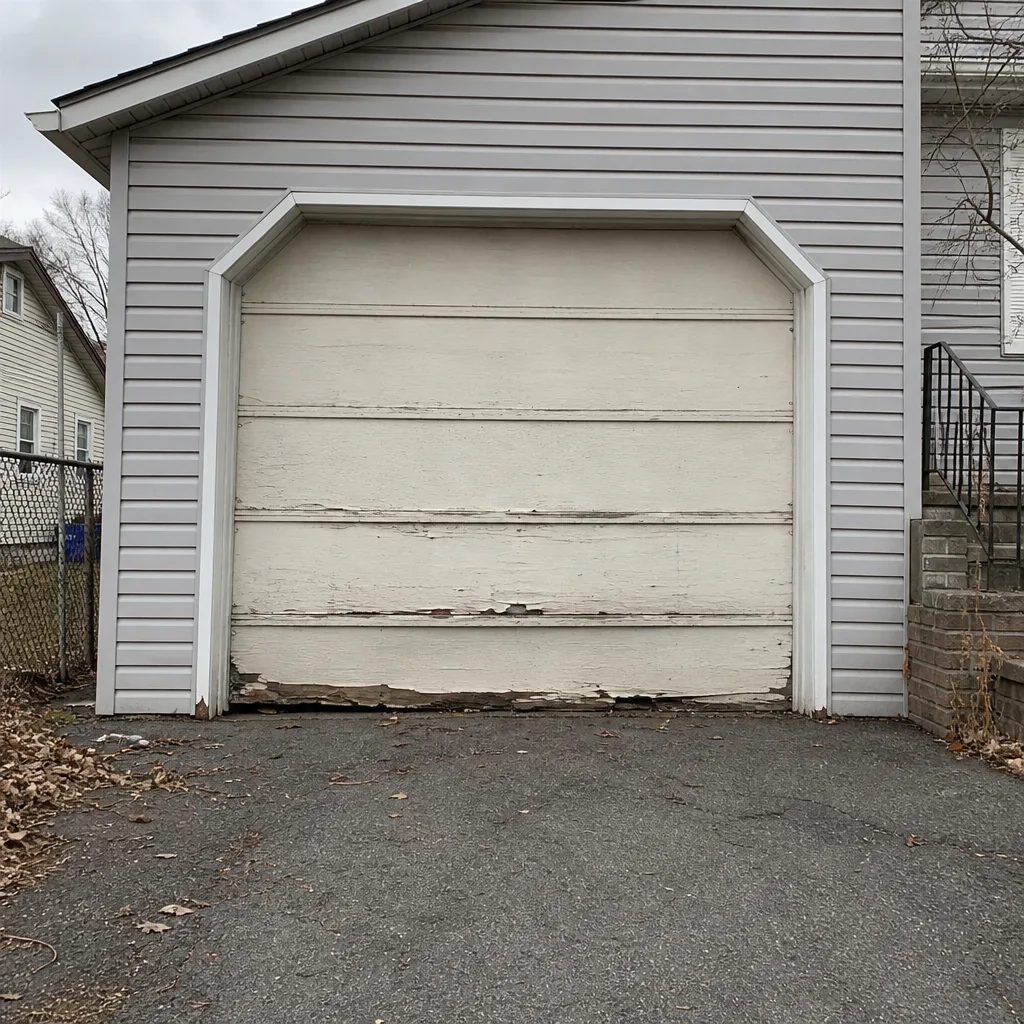
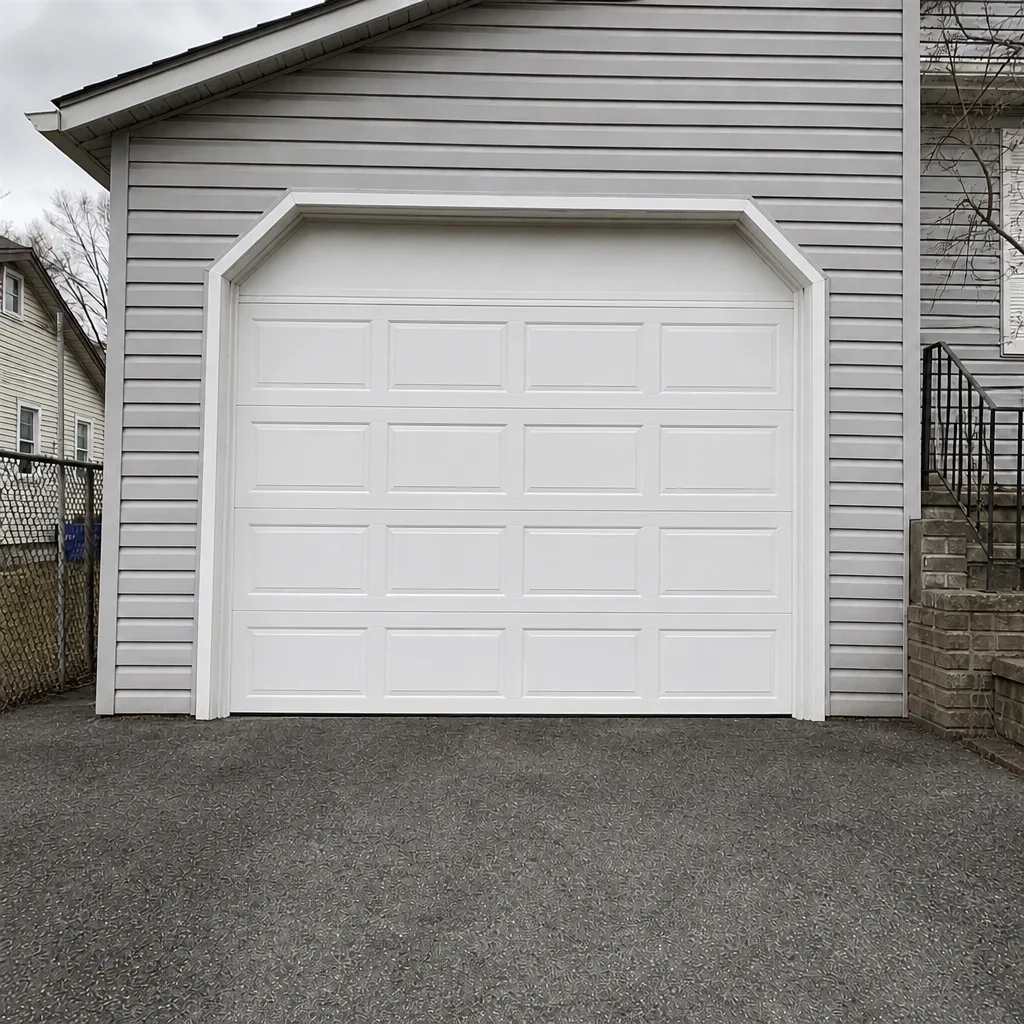
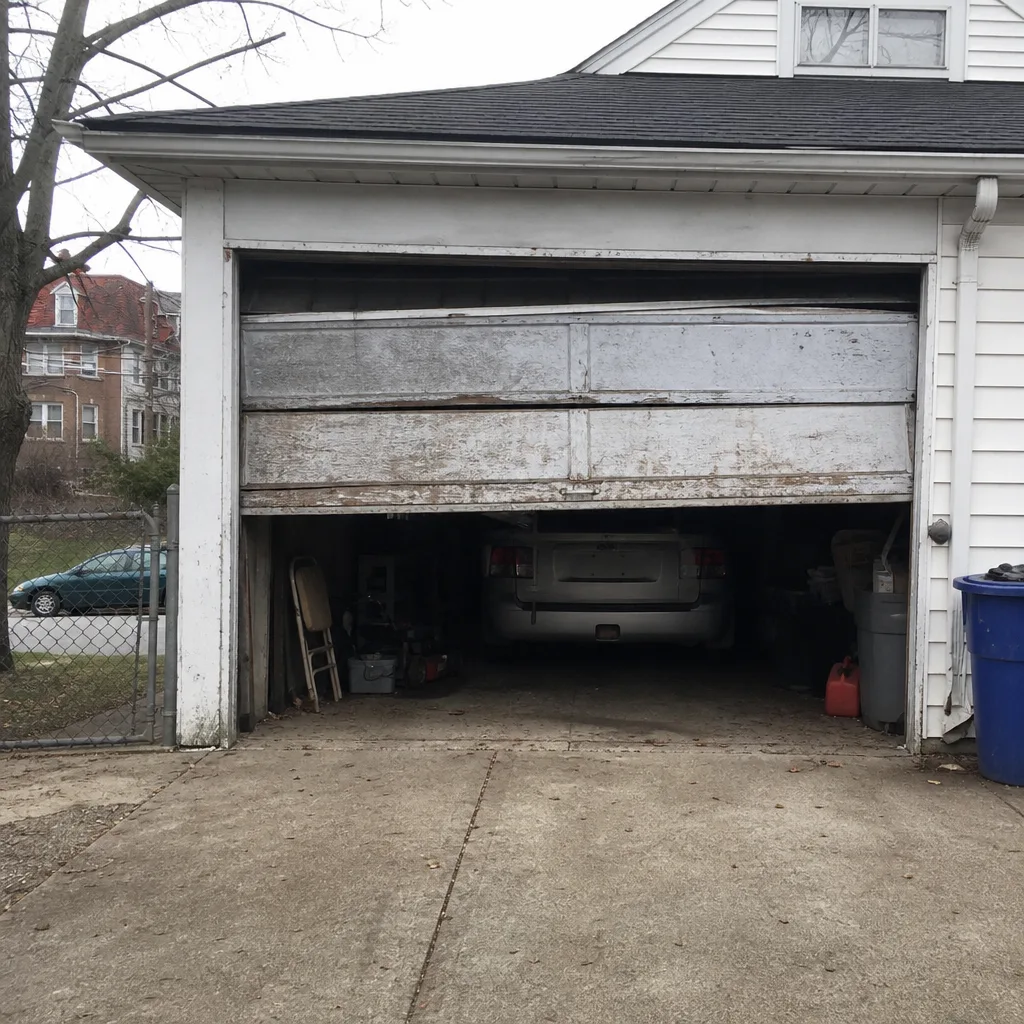
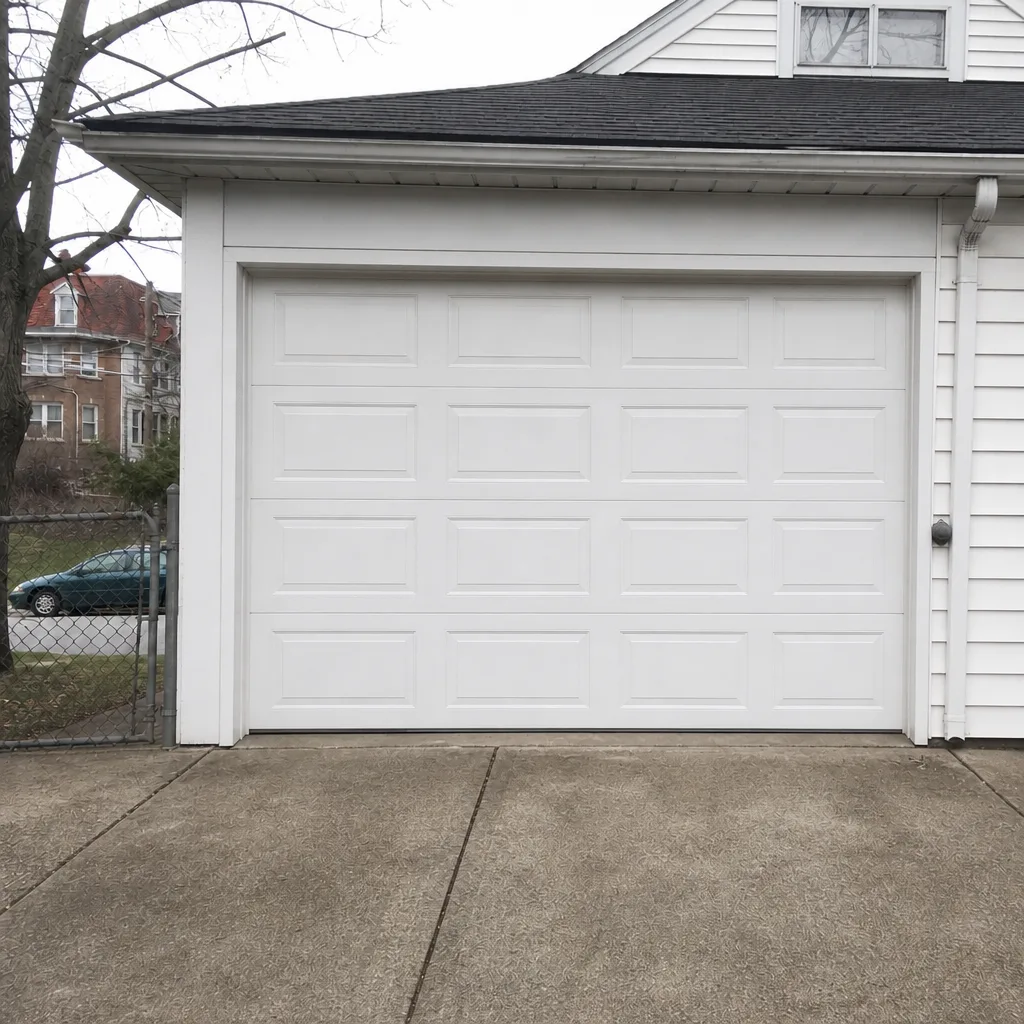
See the difference
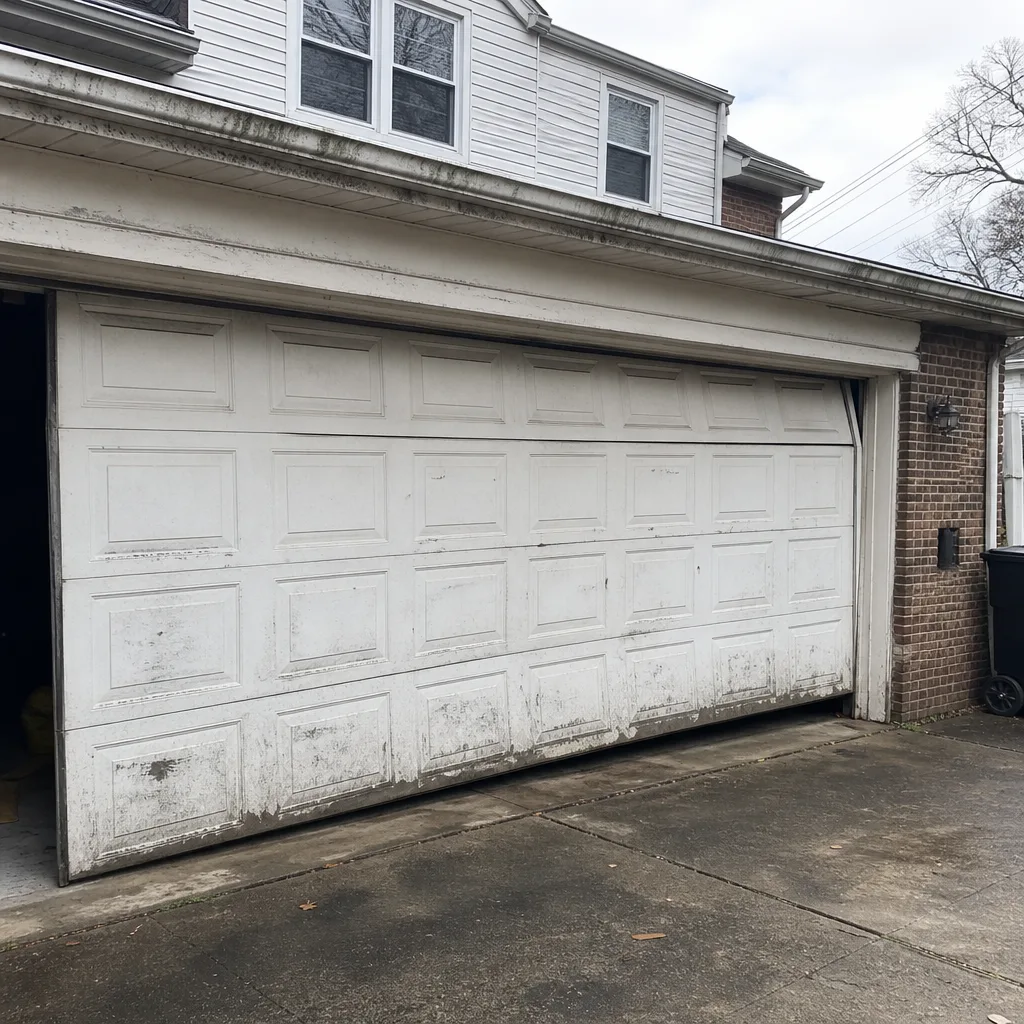 Before
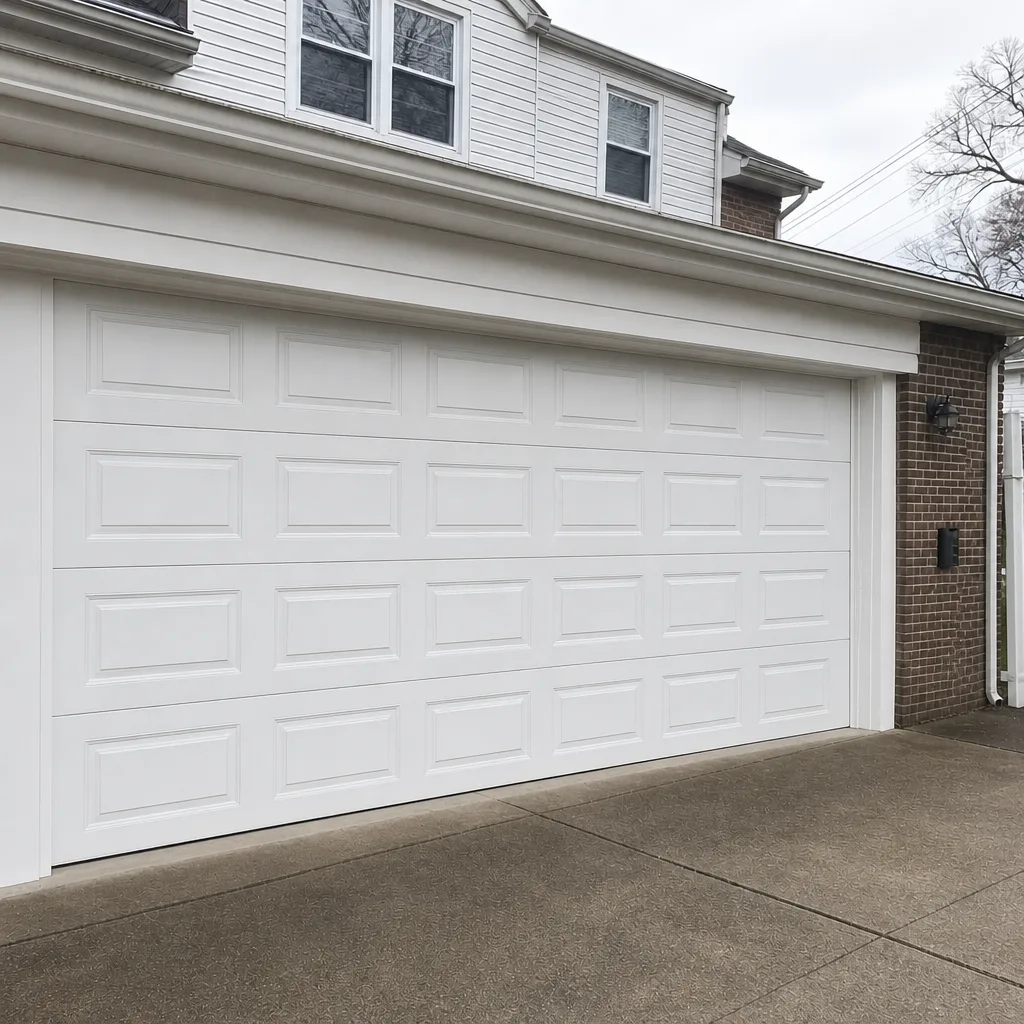 After
 Before
 After
 Before
 After
When to Call a Professional
Call a professional when the door has snapped a spring, hung crooked on the track, or the opener has stopped responding. Also call when the scope of work you’re considering changes the opening or adds electrical, because that’s the point where the job leaves the DIY or handyman category. Coils under tension and overhead weight are the two parts of a garage door that injure people every year, and neither is a weekend project.
For Yonkers residents facing a door that’s failed, we offer emergency service. The work is scheduled, not improvised. For scope questions about a permit job, we’ll give you a free measure and a written estimate that separates the door work from the electrical or structural scope, so you know which pieces your other contractors are handling. Yonkers Garage Door Repair Co offers free estimates in Yonkers. Call (844) 443-4494.
Frequently Asked Questions
Usually no. A like-for-like replacement of the door into the same opening and on the same header is normally done without a permit in Yonkers. You need a permit when the opening changes, when the header is modified, or when the electrical service changes. Call (844) 443-4494 for an exact scope check – estimates are free.
Yes, if the garage doesn’t already have a dedicated outlet for the opener. Adding a circuit is electrical work and needs its own permit. If the outlet is already there, the opener itself installs on that circuit without adding scope. Call (844) 443-4494 to discuss the scope before you buy an opener.
It becomes a negotiating item during the sale. The buyer’s attorney will see that a scope change has no matching permit record and will ask the seller to resolve it. Sometimes the permit gets done retroactively before closing. Sometimes a credit is negotiated. In both cases, the issue surfaces and delays the closing. Getting the permit closed before listing avoids all of it.
Structural work on the opening should be done by a licensed contractor and, where a spec is involved, a structural professional. The door install itself can be straightforward, but a widened opening is construction. We recommend against letting a non-licensed generalist touch the header on a Yonkers home. Call (844) 443-4494 and we’ll point you toward the right scope.
It checks the safety systems first (photo-eyes, reversal, force setting), then the hardware (springs, cables, rollers, balance), then the installation against the approved permit scope. Electrical work is inspected separately by the electrical inspector. The two inspections are usually scheduled apart.
Yes. Retroactive permitting is a normal process. The scope is described as built, the permit is filed, the inspection is scheduled, and any corrections are completed. It’s the same sequence as a new permit, starting from the finished job. The catch is timing. Start before the buyer’s inspection, not after. Call (844) 443-4494 to arrange a scope review.
The Bottom Line
In Yonkers, the garage door permit line sits at the opening. A door into the same opening, on the same header, on the same circuit is a replacement and normally doesn’t need a permit. A change to any of those three things is construction and does. The structural header and the electrical run are the two points where a small scope decision becomes a permit project, and both are the ones homeowners underestimate. The safe habits are simple: measure the opening before you buy, check for the outlet before you add an opener, and if you’re selling Yonkers property, close out any unpermitted work before you list. Get an estimate before the job starts, get it in writing, and confirm the scope before the first tool goes into the wall.
If you need a door worked on, or you want a pre-inspection look at a Yonkers door, call us. The estimate is free and comes in writing. Yonkers Garage Door Repair Co at (844) 443-4494. We answer 24/7. Fast dispatch from 7am to 7pm, Sunday through Friday.
Written by the team at Yonkers Garage Door Repair Co.